Dogs follow their owners everywhere primarily due to their social nature, forming strong bonds of affection, or being bred for companionship, according to 2026 research. This common behavior stems from several key instincts and learned patterns. Why Does My Dog Follow Me Everywhere? Reasons Explained by Petflix and Chill !!!
Main categories include bonding and affection, pack mentality, positive reinforcement for rewards, anxiety or health concerns, and breed-specific tendencies. This article covers both normal, affectionate following and signs that may indicate a problem needing professional attention.
Key Takeaway
- Dogs are pack animals: Their instinct to stay with their ‘pack’ (your family) drives following behavior. (Source: Reddit, AKC, PetMD)
- Oxytocin release: Following you triggers the ‘love hormone’ in both dog and owner, strengthening the bond. (Source: Facebook, Royal Kennel Club)
- Not always normal: Sudden or excessive following can signal anxiety, pain, or boredom. (Source: Therapy Dogs, Daily Paws, Trail Animal Hospital)
Why Do Dogs Follow Their Owners Everywhere?
Oxytocin Release: The ‘Love Hormone’ That Strengthens Your Bond
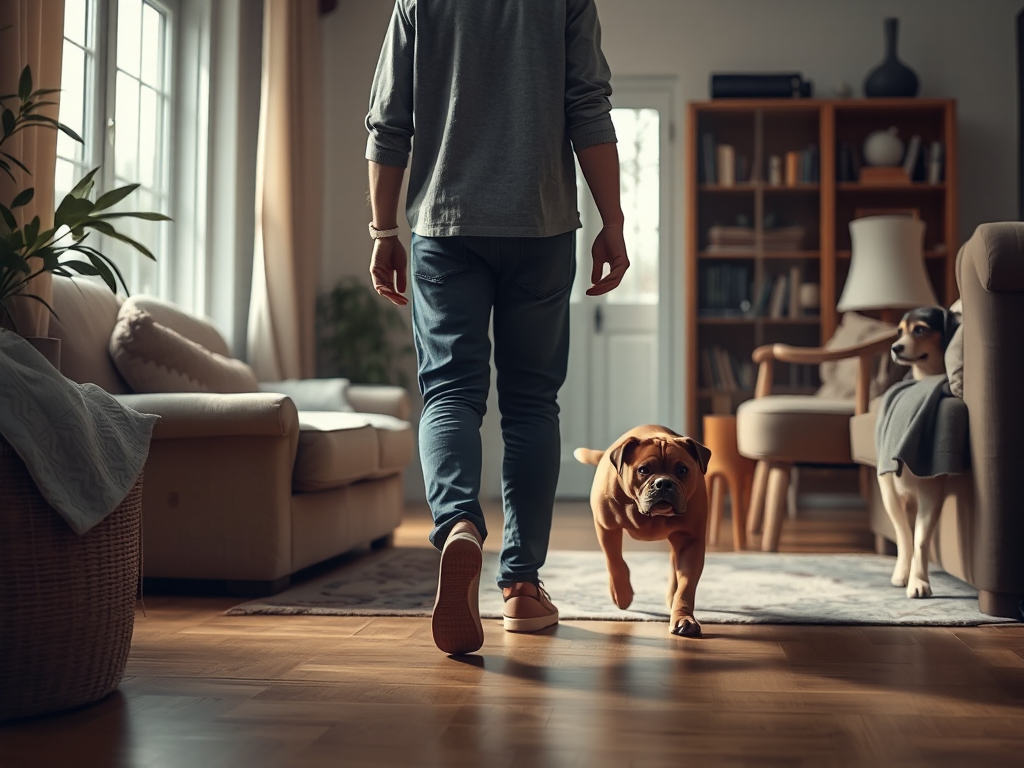
When your dog walks beside you, his brain releases oxytocin, the same love hormone humans feel when hugging someone they trust. This chemical creates a pleasurable feeling that reinforces the desire to be close. If your dog follows you everywhere then it’s most likely a sign that they love and adore you.
When dogs interact with someone they like, the hormone oxytocin is involved; for example, Why does my dog stare at me? shows that staring is a powerful oxytocin-inducing behavior. This creates a positive feedback loop: more following leads to more oxytocin release, which strengthens the emotional bond, which in turn makes the dog want to follow even more. This simple biological mechanism is a core reason for constant companionship.
Pack Mentality: Dogs’ Evolutionary Instinct to Stay With Their ‘Pack’
Dogs are pack animals. They will follow you because that keeps the pack together and that is their innate programming. This instinct is deeply embedded in their genes.
According to the American Kennel Club (July 25, 2023), the answer may have to do with your animal instinct and pack mentality. PetMD (October 27, 2021) states that probably the most consistent reason is that it’s in their genes—throughout history, dogs have been pack animals.
In a modern home, your family is the dog’s pack. Staying close to the pack leader (you) is a survival behavior passed down through thousands of years of evolution.
Positive Reinforcement: Following You Means Food, Walks, and Fun
Dogs quickly learn that their owner is the source of everything good. You are the source of food, walks, and belly rubs, so your dog follows you to get ‘rewards’. This is a clear case of learned behavior through positive reinforcement.
Often, dogs follow us because they’ve learned our patterns and know something fun is about to happen. For example, when you pick up a leash, your dog may follow you to the door anticipating a walk. This creates a strong habit where following becomes the default action to access enjoyable experiences.
- Food and water: You provide meals and fresh water, making you the center of their survival.
- Walks and exercise: You are the source of outdoor adventures and essential physical activity.
- Belly rubs and play: You give affection, attention, and fun interactive games.
- Learned patterns: Dogs observe routines and follow you when they predict a rewarding event is imminent.
Breed Tendencies: The ‘Velcro Dog’ Factor
The term ‘Velcro dog’ describes dogs that follow their owners closely, as if attached by Velcro. Breeds like Labradors, Golden Retrievers, and German Shepherds are specifically bred to work closely with humans and tend to stay nearby.
These breeds were developed for tasks requiring constant cooperation with people, such as retrieving, herding, or protection. This historical breeding for close partnership means their genetic makeup predisposes them to form extremely tight bonds and maintain physical proximity to their human companions more than some other independent breeds.
When Following Behavior Becomes Problematic: Anxiety and Health Concerns
Separation Anxiety: Whining, Panting, and Distress When You’re Out of Sight
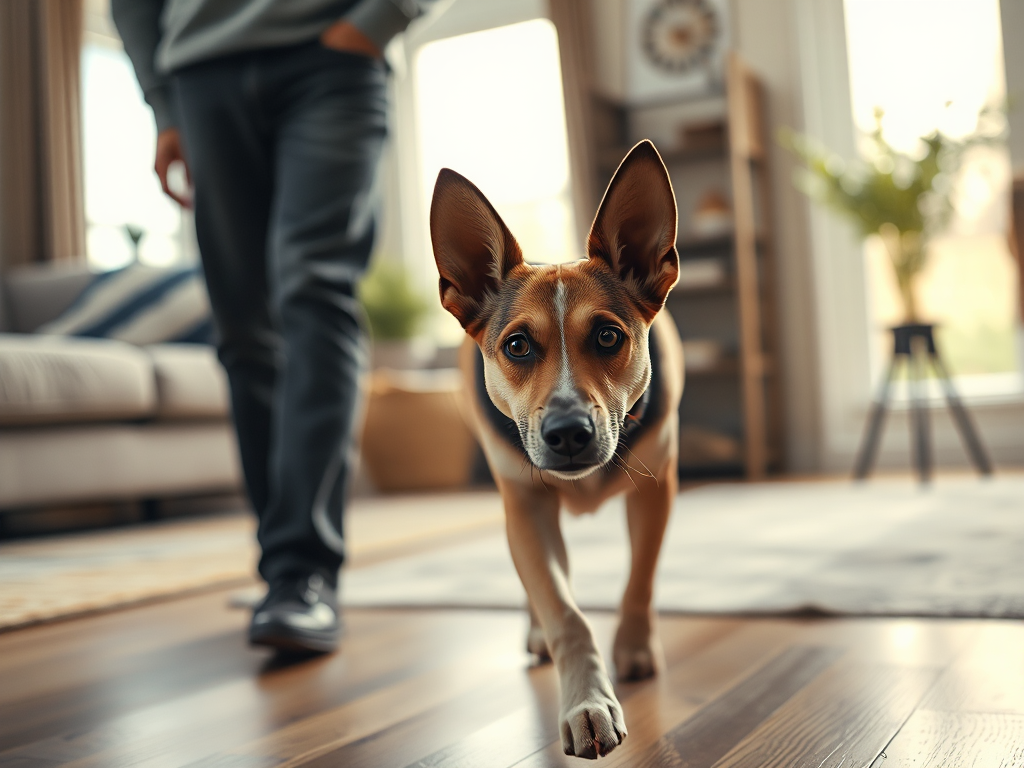
While following is often normal, it can be a key symptom of separation anxiety. If your dog whines, pants, or appears distressed, they may suffer from anxiety when they are out of sight. This is a common symptom of separation anxiety.
Anxious dogs often work themselves up to the point that they pee or poop in the house, even if they are house-trained. The following behavior is not just a preference but a compulsive need driven by extreme stress at the thought of being alone.
- Vocalization: Persistent whining, howling, or barking when you leave the room or house.
- Panting and pacing: Visible signs of anxiety like heavy panting, trembling, or restless pacing, especially when you are preparing to leave.
- Destructive behavior: Chewing on doors, windows, or furniture, particularly near exit points, in a frantic attempt to reach you or escape.
- House soiling: Accidents inside the home despite being fully house-trained, occurring only when the dog is alone or anticipates your departure.
A sudden change in behavior is a major red flag. If the behavior is new, sudden, or causes the dog to feel distressed, it may indicate pain or illness, say experts at Daily Paws; Why is my dog shaking? discusses related symptoms like trembling that often accompany such distress.
Some pets follow their people simply because they’re not getting enough mental or physical activity. They could be lacking in attention, feeling lonely or neglected.
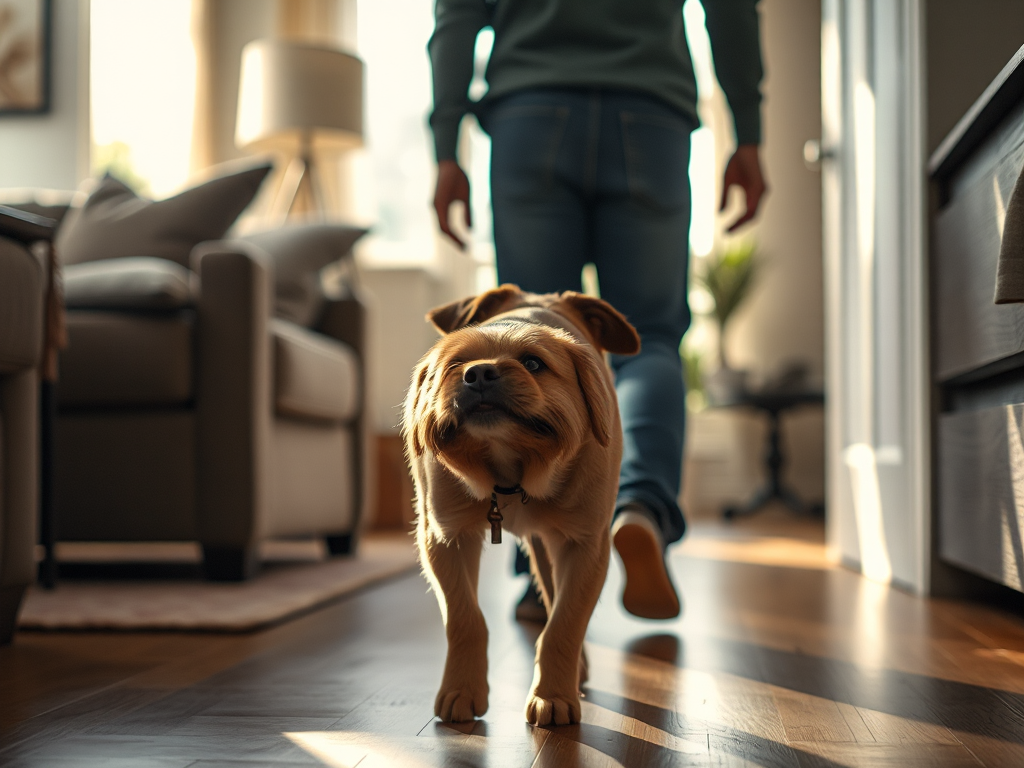
Needing to be fed or watered; taken for a walk; feeling hungry or unwell. Boredom from insufficient exercise or mental stimulation can also manifest as clingy, following behavior as the dog seeks any form of engagement.
Observing the context is critical. Is the following accompanied by whining, limping, or changes in appetite? Does it happen only at certain times?
Consulting a veterinarian is essential to rule out underlying medical conditions like cognitive dysfunction in older dogs, pain from arthritis, or other illnesses. For boredom, increasing structured exercise, puzzle toys, and training sessions can provide healthy outlets; resources like petflixandchill offer creative ideas for mental stimulation.
Observe your dog’s following behavior for a week. Note if it’s accompanied by whining, panting, or seems sudden. If you suspect anxiety or health issues, schedule a vet check-up.
Why Does My Dog Follow Me Everywhere?
For normal bonding, ensure you provide adequate exercise and mental stimulation to keep your dog balanced. Remember, while often a sign of love, constant following can also be your dog’s way of communicating a need you shouldn’t ignore.