Welsh Corgis originated in Wales over 3,000 years ago, making them one of the oldest herding breeds. The Cardigan Welsh Corgi traces back to 1200 BCE with Celtic invaders, while the Pembroke Welsh Corgi arrived around the 10th century via Vikings or Flemish weavers.
Both breeds were developed as “heelers”—cattle herders who nip at livestock heels while avoiding kicks thanks to their short stature. Today’s two distinct breeds separated officially in the 1930s, though they share the Welsh name “Corgi,” meaning “dwarf dog.”
- Welsh Corgis are an ancient breed with origins tracing back over 3,000 years in Wales, making them one of the oldest herding breeds.
- There are two distinct breeds: the Cardigan (Celtic, 1200 BCE) and Pembroke (Viking/Flemish, 10th century), separated officially in the 1930s.
- Their short stature was a deliberate breeding choice for ‘heeling’ cattle, allowing them to avoid kicks while working in the Welsh hills.
Ancient Welsh Origins: Tracing the Corgi’s 3,000-Year History
The story of Welsh Corgis begins in the rugged hills of Wales, where these low-slung herders developed over millennia.
Unlike many modern breeds with carefully documented pedigrees, the Corgi’s early history blends with folklore and archaeological evidence. What remains clear is that both the Cardigan and Pembroke varieties emerged from Wales’s agricultural needs, each carrying distinct genetic legacies from different ancient peoples.
“Dwarf Dog” Origins: The Meaning Behind “Corgi”
The name “Corgi” comes directly from the Welsh language, combining “cor” (dwarf) and “ci” (dog, which mutates to “gi” in compound words), which is among the most interesting facts about Welsh Corgis. This etymology perfectly describes the breed’s most obvious feature: a long, low body standing only 10–12 inches tall.
The term also historically meant “cur” or “working dog” in broader Welsh usage, emphasizing their functional farm origins rather than any companion role. For centuries, these dogs were simply called “yard-long dogs” (ci-llathed) due to their body length, but “Corgi” stuck as the official breed name when standardization began in the 20th century.
Timeline of Arrival: Celts (1200 BCE) vs Vikings/Flemish (1107 AD)
The two Welsh Corgi breeds arrived in Wales through completely separate migrations, separated by roughly 2,000 years. The Cardigan Welsh Corgi is the ancient one, with evidence pointing to Celtic tribes bringing early herding dogs to Cardiganshire around 1200 BCE. These dogs likely descended from continental Teckel-type ancestors, similar to modern Dachshunds.
In contrast, the Pembroke Welsh Corgi arrived much later—around the 10th century AD or specifically 1107 AD—when Norse Vikings or Flemish weavers settled in Pembrokeshire. The Pembroke’s ancestors were Spitz-type dogs from Scandinavia or Northern Europe, bringing different physical traits and working styles. This 2,000-year gap explains why the two breeds, while both called Corgis, have distinct genetic backgrounds and appearances.
Ancient Scandinavian Connections: Swedish Vallhund Links
The Pembroke Welsh Corgi shares a clear genetic relationship with Nordic breeds, particularly the Swedish Vallhund. Both are Spitz-type dogs with similar bone structure, coat patterns, and herding techniques. According to Wales.com, many historians believe the Swedish Vallhund is a primary ancestor of the Pembroke.
This connection makes perfect sense historically: Viking settlers from Scandinavia frequently visited and colonized Welsh coasts, bringing their working dogs. The Swedish Vallhund itself is an ancient breed that herded cattle and guarded farms in Scandinavia, roles identical to those the Pembroke filled in Wales. Shared traits like erect ears, fox-like faces, and the “heeler” herding style confirm this Nordic lineage, while the Cardigan’s Teckel ancestry links it to Central European breeds.
What Two Breeds Make a Welsh Corgi?
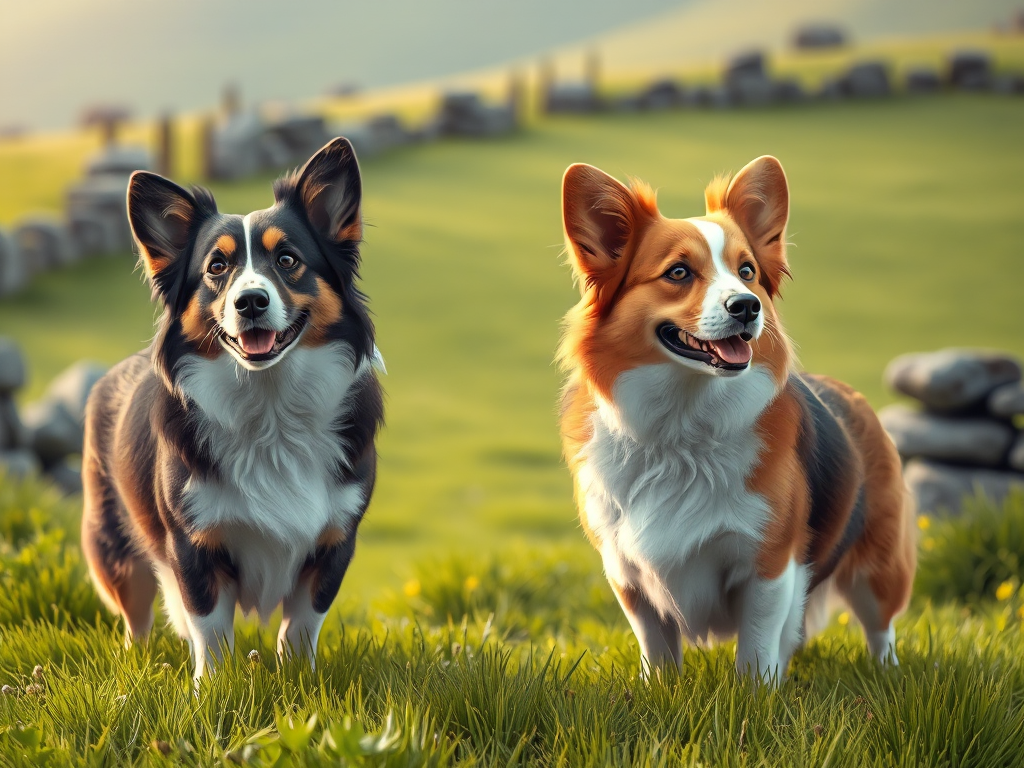
When someone refers to a “Welsh Corgi” today, they could mean either of two officially recognized breeds: the Cardigan Welsh Corgi or the Pembroke Welsh Corgi.
Though often confused as one breed with different coat colors, these are genetically distinct dogs with separate breed standards, histories, and physical characteristics. Their divergence began with different ancient migrations and continued through centuries of isolated breeding in Wales’s two western counties: Cardiganshire and Pembrokeshire.
Cardigan Welsh Corgi: Celtic Origins and Teckel Ancestry
The Cardigan Welsh Corgi is the older of the two breeds by a vast margin. Celtic tribes migrating from Central Europe brought the original Corgi-type dogs to Wales around 1200 BCE, settling in the region that became Cardiganshire. These early dogs belonged to the Teckel family—the same ancestral group that produced modern Dachshunds—explaining the Cardigan’s longer back, larger size, and different head shape.
For over 3,000 years, Cardigans evolved as all-purpose farm dogs in the Welsh hills, developing the stamina, intelligence, and versatility needed for cattle herding, home guarding, and pest control. Their arrival predates written records in Wales, making the Cardigan one of the oldest documented breeds in the British Isles.
Pembroke Welsh Corgi: Viking and Flemish Spitz Heritage
The Pembroke Welsh Corgi arrived in Wales much later, around 1107 AD, with either Norse Vikings or Flemish weavers invited by King Henry I. These settlers brought Spitz-type herding dogs from Scandinavia and Northern Europe, prized for their agility, alertness, and ability to work with cattle. Unlike the Cardigan’s Teckel build, the Pembroke inherited the Nordic Spitz characteristics: prick ears, a denser double coat, and a more fox-like appearance.
The Pembroke was specifically developed in Pembrokeshire as a cattle “heeler,” nipping at heels while staying low enough to avoid kicks. This later arrival explains why Pembrokes are generally smaller, lighter-boned, and have a shorter tail (often naturally bobbed) compared to Cardigans.
Breed Recognition: Separate Standards in the 1930s
For centuries, both Corgi types were considered regional variations of the same working breed. That changed in the early 20th century when dog shows formalized breed standards. The Kennel Club (UK) first recognized “Welsh Corgis” as a single breed in 1925, with both types shown together.
However, differences in appearance and type led enthusiasts to form separate clubs: The Corgi Club favored Pembrokes, while Cardigan breeders created their own club in 1926. By 1934, the Kennel Club officially separated them into distinct breeds, with the Pembroke Welsh Corgi receiving its own breed standard that year. This separation preserved each breed’s unique characteristics, though crossbreeding had already occurred during the period they were shown together.
Pembroke vs Cardigan: Comparison Table of Key Historical Traits
| Breed | Approximate Origin | Ancestral Line | Arrival Method | Recognition as Separate Breed |
|---|---|---|---|---|
| Cardigan Welsh Corgi | 1200 BCE | Celtic Teckel | Brought by Celtic invaders | 1934 (UK Kennel Club) |
| Pembroke Welsh Corgi | 10th century AD / 1107 AD | Nordic Spitz | Brought by Vikings or Flemish weavers | 1934 (UK Kennel Club) |
These historical differences fundamentally shaped each breed’s modern identity. The Cardigan’s 3,000-year isolation in Cardiganshire produced a larger, more robust dog with a longer tail and greater color variety. The Pembroke’s later Spitz heritage resulted in a lighter, quicker dog with a shorter tail and more focused herding instinct.
Their separate recognition in 1934 stopped crossbreeding, allowing each type to develop according to its own breed standard. Today, the Pembroke is far more popular worldwide—partly due to royal favor—while the Cardigan remains rarer, with both breeds reflecting their distinct ancient origins in every bone and coat pattern.
From Herders to Royal Companions: The Corgi’s Evolving Role
For most of their history, Welsh Corgis were purely working dogs, valued for their ability to herd cattle in the difficult terrain of the Welsh hills. Their transformation into beloved family pets and royal companions is a relatively recent development, accelerated by 20th-century events. Understanding this evolution reveals why Corgis possess the traits they do—traits that made them indispensable on farms and irresistible to monarchs.
Heeling Herders: How Short Legs Saved Corgis from Cattle Kicks
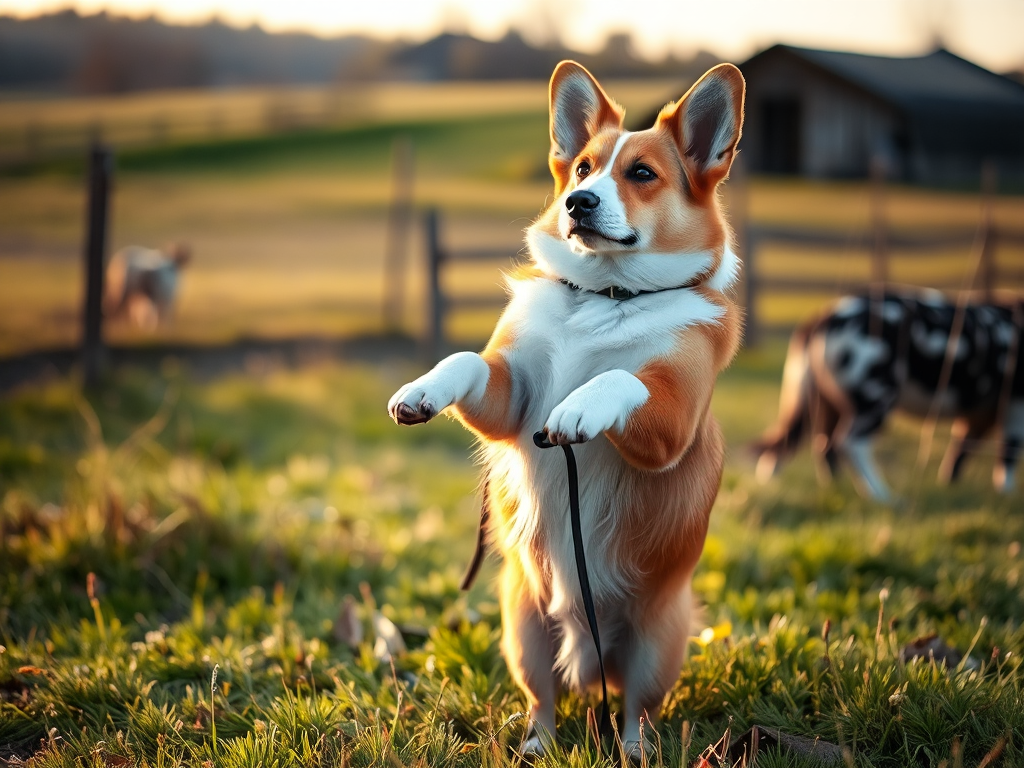
Corgis were bred as “heelers”—herding dogs that drive cattle by nipping at their heels. This working method required a specific physical adaptation: a very short stature. Standing just 10–12 inches tall, a Corgi can easily duck under a cow’s kicking hind legs.
The breed’s low center of gravity also provides surprising agility and speed on uneven ground. In the steep, rocky hills of Wales, a taller herding dog would be vulnerable to serious injury from kicks.
The Corgi’s short legs, far from being a disability, were a deliberate survival advantage. This “heel nipping” technique is instinctive in the breed and explains why Corgis still try to herd children, bicycles, or anything that moves—they’re following ancient programming.
- Working method: Nipping cattle heels to move them forward
- Physical advantage: Short stature allows ducking under kicks
- Terrain necessity: Welsh hills required agile, low-profile herders
All-Purpose Farm Dogs: Herding, Guarding, and Rodent Control
Before becoming household pets, Corgis were the ultimate multitaskers on Welsh farms. Their small size made them economical to feed, while their intelligence and energy made them versatile workers. Beyond cattle herding, Corgis performed several critical farm duties:
- Herding: Primary role—controlling cattle and sheep in hilly terrain
- Guarding: Alert watchdogs that protected homesteads from intruders
- Rodent control: Efficient ratters that protected grain stores and barns
This “all-purpose farm dog” heritage explains the modern Corgi’s combination of herding instinct, territorial vigilance, and prey drive. They remain highly trainable but can be stubborn, independent dogs that need jobs to stay happy. Their history as solitary workers (rather than pack hunters) also contributes to their sometimes reserved nature with strangers.
Royal Favor: Queen Elizabeth II’s Global Corgi Legacy
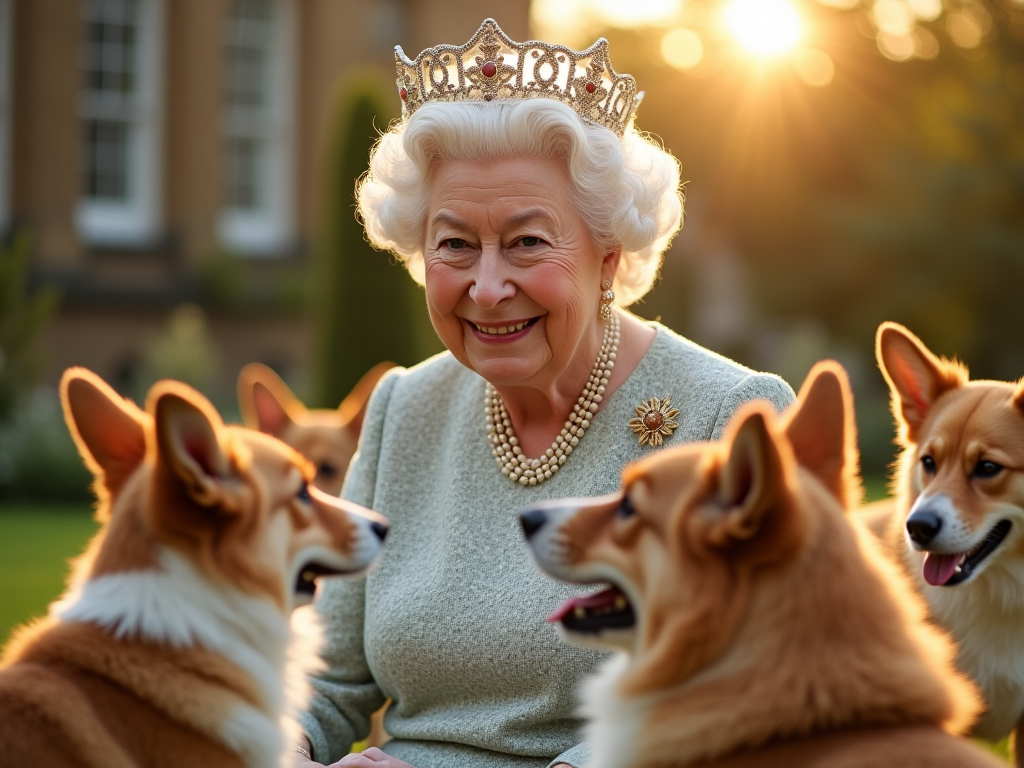
The Corgi’s path from farmhand to global icon was paved by royal affection. Queen Elizabeth II received her first Pembroke Welsh Corgi, named Dookie, in 1933. Over her lifetime, she owned more than 30 Corgis, many descended from that original dog.
The Queen’s devotion made the breed synonymous with the British monarchy. Photos of the Queen with her Corgis at Buckingham Palace or in family portraits appeared worldwide, creating massive demand for the breed. According to The Telegraph (2015), royal patronage saved the Pembroke from declining popularity in Britain, though the breed remains on the UK’s vulnerable native breeds list.
In the United States, the breed’s popularity surged, ranking 11th in AKC registrations in 2020. Annual Corgi meetups in cities like New York and San Francisco attract hundreds of dogs, all tracing their cultural cachet to Windsor Castle.
Why Shaving Damages the Corgi’s Double Coat
A common mistake among new Corgi owners is shaving the dog to reduce shedding or keep them cool. This practice severely damages the breed’s double coat, which evolved to protect against Wales’s harsh weather. The outer coat consists of longer, coarser guard hairs that repel water and dirt.
The undercoat is soft, dense, and insulating. Shaving removes the guard hairs, leaving only the undercoat. The results are:
- Appearance: Patchy, scruffy look as undercoat grows unevenly
- Permanent alteration: The coat may never regain its original texture or pattern
- Loss of protection: Without guard hairs, the dog loses waterproofing and sun protection
The double coat actually regulates temperature year-round—thick in winter, lighter in summer—and should never be shaved. Proper grooming involves regular brushing to remove loose undercoat, not cutting the hair. This coat structure is a direct adaptation to Wales’s wet, windy climate and remains essential for the breed’s health and comfort today.
Closing
The most surprising aspect of Welsh Corgi history is how two completely separate ancient migrations—Celts around 1200 BCE and Vikings/Flemish around 1107 AD—created two distinct breeds that share a name and homeland but not recent ancestry. The Cardigan’s 3,000-year continuous presence in Wales makes it one of the oldest dog breeds in the world, while the Pembroke’s Nordic links connect it to Scandinavian herding traditions. For deeper historical details, visit the Welsh Corgi League website (welshcorgileague.org) or consider adopting a Corgi from a breed-specific rescue to experience firsthand the working heritage that shaped these remarkable dogs.
Frequently Asked Questions About Where Do Welsh Corgis Come From? Breed History Explained
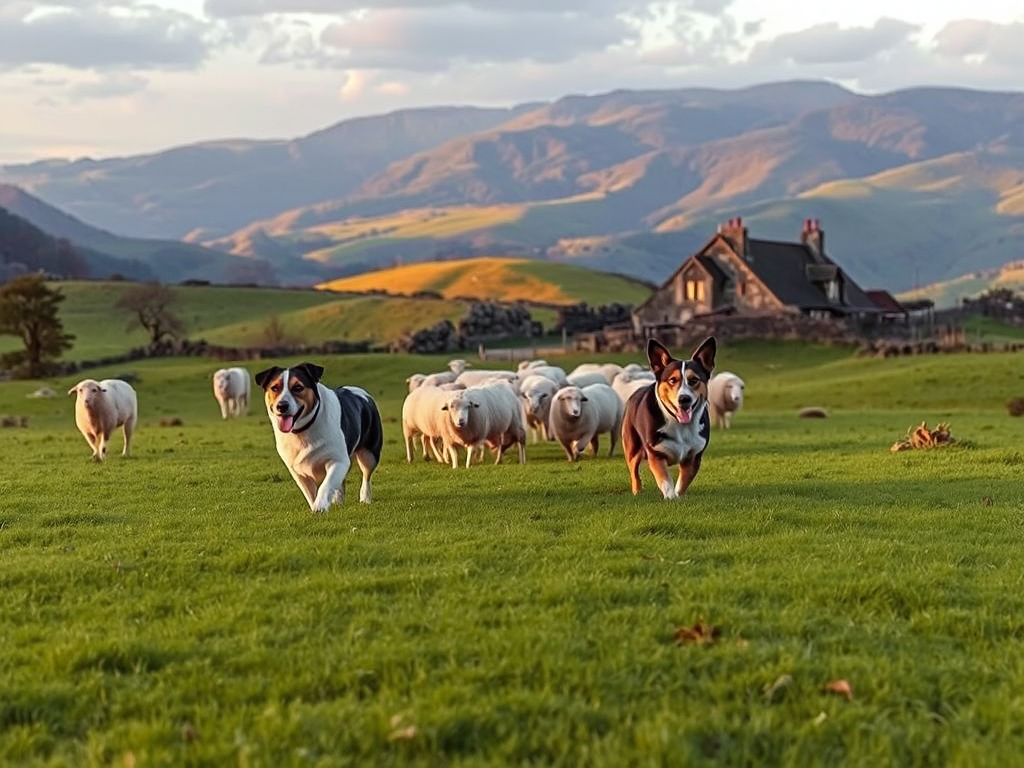
What two breeds make a Welsh Corgi?
During the Viking invasion of 1,000 years ago, and subsequent influx of Flemish weavers, a Spitz-type of dog was introduced into some areas of Wales. These Spitz were crossed with the original Corgi to produce what is known today as the Pembroke Welsh Corgi.
What two breeds make a Welsh Corgi?
During the Viking invasion of 1,000 years ago, and subsequent influx of Flemish weavers, a Spitz-type of dog was introduced into some areas of Wales. These Spitz were crossed with the original Corgi to produce what is known today as the Pembroke Welsh Corgi.
Why should you not shave corgis?
This leaves them with the undercoat, giving them a patchy, scruffy look. It can alter their coat for the rest of the dog’s life. Not only does it look bad, but you can end up having to shave the hair continuously from then on and once again, you strip them of their natural ability to protect themselves.
Why should you not shave Corgis?
This leaves them with the undercoat, giving them a patchy, scruffy look. It can alter their coat for the rest of the dog’s life. Not only does it look bad, but you can end up having to shave the hair continuously from then on and once again, you strip them of their natural ability to protect themselves.