Welsh Corgis have herded cattle for over 3,000 years, nipping at heels with remarkable agility—a fact that surprises even many longtime owners. These compact dogs also carry magical “fairy saddle” markings on their shoulders from Welsh folklore, and they’re actually two separate breeds—Pembroke and Cardigan—with distinct origins.
Queen Elizabeth II’s famous collection of more than 30 royal corgis further cemented their popularity. From ancient legal protections to their uniquely hollow backs, these facts will transform how you see this beloved breed.
- Welsh Corgi shoulder markings are called ‘fairy saddles’ from legends of Welsh elves using them as steeds.
- They’re two distinct breeds—Pembroke (short tail, Flemish origin) and Cardigan (long tail, Celtic origin)—with different ancestors.
- Queen Elizabeth II owned more than 30 Corgis, starting with Dookie in 1933, making them royal favorites.
The Most Surprising Welsh Corgi Facts
Fairy Saddles: The Magical Markings of Welsh Elves
- Fairy Saddle Legend: Welsh folklore claims Pembroke Welsh Corgis were enchanted dogs used by fairies and elves as steeds. The darker patches on their shoulders are called “fairy saddles” from these mythical journeys.
- Name Origin: The word “corgi” comes directly from Welsh, where “cor” means dwarf and “gi” means dog—literally “dwarf dog.”
These magical markings and the name’s meaning reflect the deep cultural heritage of Welsh Corgis in their native land. The fairy saddle legend, while whimsical, has been passed down through generations and explains why those distinctive shoulder patches are considered special.
The etymology confirms their small, long-bodied appearance that inspired the “dwarf” descriptor. Together, they show how Welsh Corgis are woven into the cultural fabric of Wales, blending practical working dog origins with enchanting folklore.
Two Breeds, Not One: Pembroke vs Cardigan Differences
| Feature | Pembroke Welsh Corgi | Cardigan Welsh Corgi |
|---|---|---|
| Tail | Short or docked; often appears tailless | Long, bushy tail similar to a fox brush |
| Size | Weighs 22-27 lbs (10-12 kg), stands 8-12 inches (20-30 cm) tall | Larger and heavier build overall |
| Origin | Brought to Wales by Flemish weavers around the 14th century | Introduced by Celtic settlers around 1200 B.C., making it one of the oldest British breeds |
| Historical Role | Cattle herding (heeler) using nipping technique | Originally farm guardians, later also cattle herders; more versatile |
While both breeds share the signature long body and short legs, these differences are significant enough that The Kennel Club recognized them as separate breeds in 1928. The Pembroke’s shorter tail and smaller size make it the more familiar “classic” corgi, while the Cardigan’s longer tail and larger frame reflect its older, more diverse heritage. Both remain exceptional herders, but their distinct ancestries—Spitz-type for Pembrokes and possible Swedish Vallhund connections for Cardigans—mean they’re not just coat variations but truly separate breeds with the distinct origins of each breed.
Royal Favor: Queen Elizabeth II’s 30+ Corgis
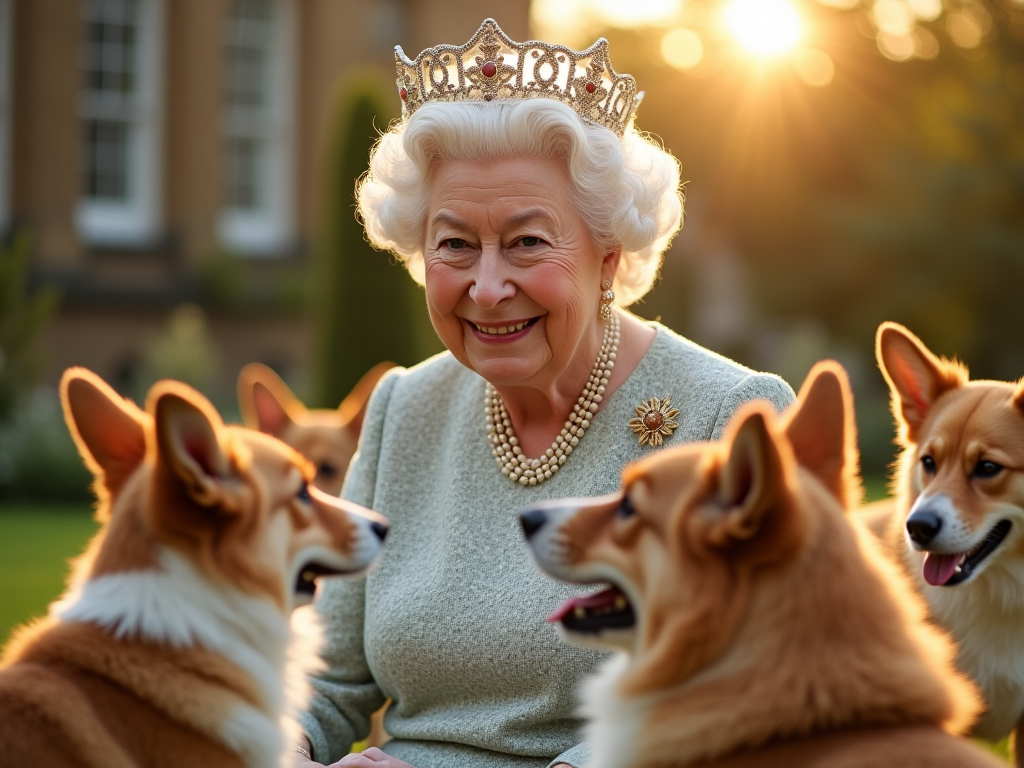
Queen Elizabeth II’s passion for Pembroke Welsh Corgis began in childhood when her father, King George VI, brought home a puppy named Dookie in 1933. That first royal corgi sparked a lifelong devotion—she ultimately owned more than 30 Pembrokes during her reign, along with several “dorgis,” the corgi-dachshund crosses that became another royal favorite. These dogs were far more than pets; they were her constant companions, appearing in official portraits, traveling with her on diplomatic visits, and even starring in the 2019 animated film “The Queen’s Corgi.” Her last purebred corgi, Willow, died in April 2018, but the Queen received two new corgi pups as gifts in 2021, ensuring the royal line continued.
The monarch’s visible affection transformed the breed’s image from working herder to beloved family pet worldwide. However, despite this fame, UK registrations have declined, and as of 2025 the Pembroke Welsh Corgi remains on The Kennel Club’s vulnerable native breeds list, a paradox of royal popularity meeting modern decline. The Queen’s remarkable collection is detailed in our special feature on the Queen’s Corgis.
Ancient History and Legal Protections
3,000 Years of Herding: From Celts to Modern Farms
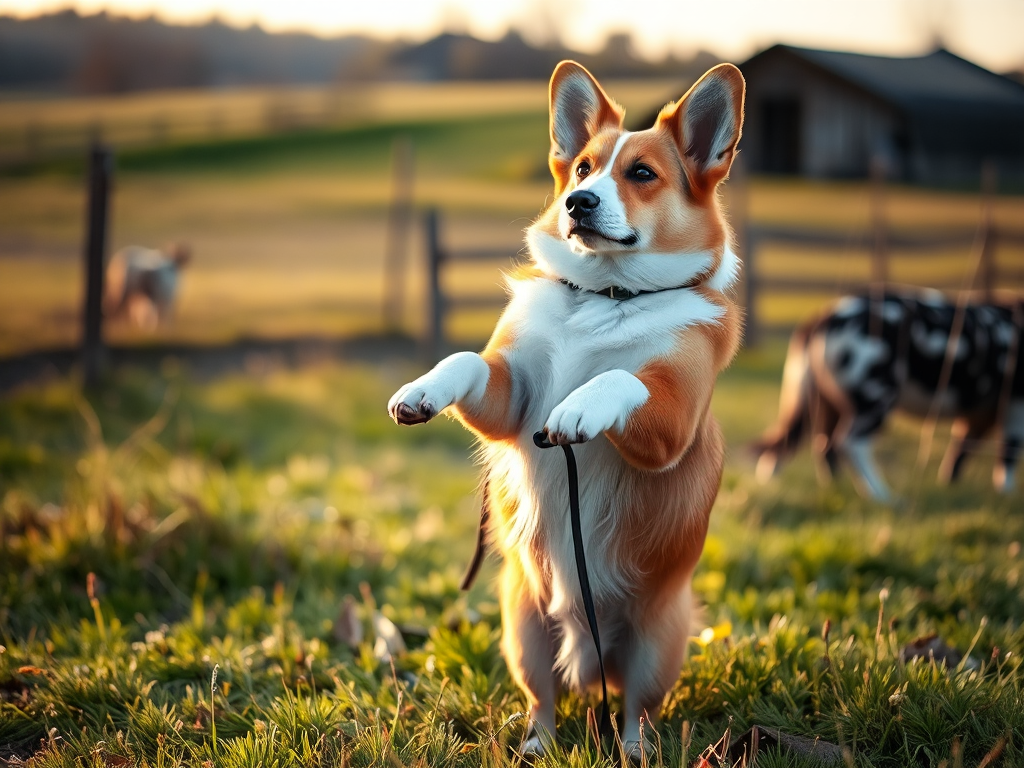
According to Dog Breeds Journal (2018), Welsh Corgis trace their lineage back over 3,000 years to ancient Celtic herders in Wales. These intelligent, high-energy dogs were specifically bred to drive cattle by nipping at their heels—a technique called “heeling.” Their low stature, typically just 8-12 inches tall, allowed them to avoid kicks from much larger livestock while remaining agile enough to maneuver around the herd. This combination of compact size, sharp intelligence, and relentless energy made them indispensable on Welsh farms.
Even today, modern corgis compete successfully in herding trials, proving their working instincts remain intact despite their popularity as companion animals. The breed’s herding heritage explains their characteristic nipping behavior, their need for substantial daily exercise, and their sometimes stubborn independence—traits that served them well when working alone in fields.
Protected by Law: Ancient Welsh Statutes for Valuable Herders
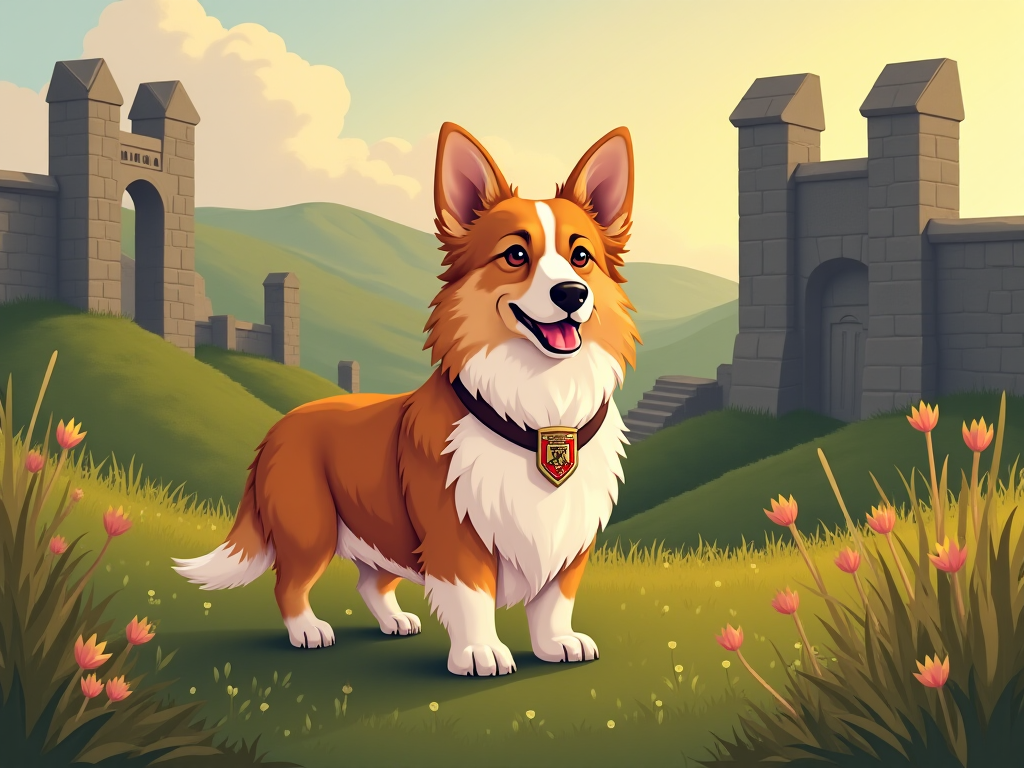
The Cardigan Welsh Corgi‘s value to medieval Welsh farmers was so immense that the breed received explicit legal protection under ancient Welsh law. Harsh penalties, including fines and other punishments, were imposed on anyone who harmed or stole these working dogs. This legal recognition stemmed from the corgi’s essential role in cattle herding—a livelihood for many families.
Without these skilled heelers, farmers risked losing their herds and their income. The law treated corgis not merely as animals but as valuable property worth protecting.
This early form of animal protection law highlights how deeply integrated corgis were into Welsh agricultural society. Their herding skills were literally considered worth more than the penalties for theft, making them some of the earliest legally protected working dogs in recorded history.
Why You Should Never Shave a Corgi: Coat Protection Facts
- Patchy, Permanent Regrowth: Shaving removes the protective top coat, leaving only the soft undercoat. This undercoat grows back unevenly, creating a patchy, scruffy appearance that can last the dog’s lifetime.
-
Coat Alteration: The double coat’s texture and color may change permanently after shaving.
Some dogs require continuous shaving thereafter because the coat never returns to its original state.
- Loss of Natural Protection: A corgi’s double coat insulates against both heat and cold, repels water and dirt, and protects skin from sunburn. Shaving strips these natural defenses, leaving the dog vulnerable to temperature extremes and skin irritation.
- Shedding Pattern Disruption: The coat’s natural shedding cycle becomes confused, leading to increased shedding of the undercoat and potential matting issues.
Unlike single-coated breeds, corgis have a dense double coat with a coarse outer guard hair layer and a soft insulating undercoat. Shaving disrupts this precise structure, which evolved to protect the dog in Wales’ variable climate.
The top coat grows back slowly and may never match the original texture or color. Veterinarians and groomers universally advise against shaving double-coated dogs like corgis; instead, regular brushing manages shedding while preserving the coat’s natural protective functions. This fact often surprises new owners who assume shorter hair means cooler summer comfort, when in reality the intact coat provides better temperature regulation.
What Are Welsh Corgis Known For? Surprising Traits Beyond the Basics
Big Dog Bark: Small Body, Loud Voice
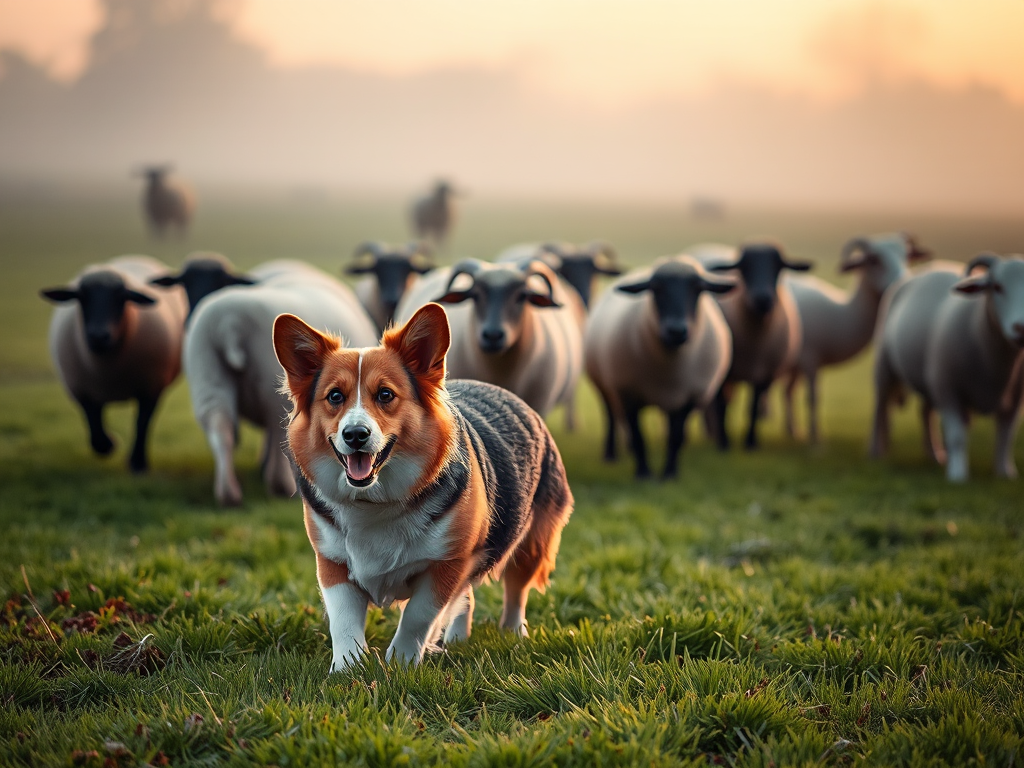
Despite their tiny legs and long bodies, Pembroke Welsh Corgis possess a surprisingly loud, deep bark that sounds more appropriate for a much larger dog. According to the American Kennel Club (2025), this “big dog” bark serves a functional purpose: it was bred to intimidate and move cattle during herding. The bark’s volume and depth allow a corgi to command the attention of livestock much larger than itself.
This vocal trait also makes corgis excellent watchdogs; they are naturally vigilant with acute senses, always alert to changes in their environment. Their bark is not just noise—it’s a communication tool that carries far relative to their size. Owners should be aware that this instinctive barking can be excessive if not properly trained, but it stems from the breed’s working heritage as effective herd managers who needed to be heard over lowing cattle.
The ‘Sploot’ and Hollow Back: Unique Corgi Anatomy
- The Sploot Position: Corgis famously “sploot”—lying on their stomachs with back legs stretched straight out behind them. This unusual posture, resembling a frog or a rug, helps them cool their bellies on hot surfaces and may relieve pressure on their long spines.
-
Hollow Back End: The corgi’s signature “fluffy butt” exists because its rear anatomy is mostly hollow.
This structure is believed to act as a built-in flotation device, aiding swimming efficiency despite their short legs.
- Swimming Implications: While not natural swimmers due to their short legs and bulky bodies, the hollow rear may provide some buoyancy. However, corgis should always be supervised near water and may require life jackets for safety.
These anatomical quirks reveal how the corgi’s body adapted for herding efficiency. The sploot position likely evolved as a way to rest while staying ready to spring into action, and the hollow back reduces weight while maintaining structural integrity for a dog that must quickly dart under cattle kicks. The fluffy butt isn’t just cute—it’s a functional feature that hints at the breed’s working dog origins.
Intelligent but Stubborn: The Corgi Temperament
Welsh Corgis rank among the top 15 smartest dog breeds according to Stanley Coren‘s The Intelligence of Dogs, placing them in the “excellent working dog” category. This intelligence makes them highly trainable and eager to learn commands, especially when training involves positive reinforcement. However, their herding heritage also bred independent thinking—they often worked alone in fields, making decisions without human direction.
Today, this manifests as a stubborn streak; corgis will evaluate whether a command serves their interests before complying. This intelligence-stubbornness combination means they excel at dog sports like agility, herding trials, and obedience competitions, but they can outsmart novice owners. Their high-energy nature requires substantial daily exercise and mental stimulation to prevent boredom-driven behaviors like excessive barking or nipping.
The corgi’s personality encapsulates the paradox of a “big dog in a small body”: they have the stamina, mentality, and sense of humor of larger breeds, packaged in a compact, long-bodied frame that wiggles with excitement. Understanding this temperament helps owners provide appropriate training and activity levels for a happy, well-adjusted companion.
The most unexpectedly enchanting fact about Welsh Corgis is the “fairy saddle” legend—those darker shoulder patches aren’t random but part of a millennia-old Welsh myth about elves riding these dogs. Coupled with their ancient legal protections, these stories reveal how deeply corgis were woven into Welsh culture beyond mere farm work.
If you own a corgi, examine its shoulders for that distinctive marking; you might just see evidence of fairy craftsmanship. Share one of these surprising facts with fellow dog lovers—you’ll undoubtedly amaze them with the rich history hidden in those short legs and big barks.