Why Did Queen Elizabeth Have So Many Corgis?
Queen Elizabeth II owned over 30 corgis throughout her reign, a number that stemmed from a lifelong passion for breeding and an extraordinary emotional attachment to the breed. Every one of her beloved corgis traced its lineage back to Susan, the first corgi gifted to her on her 18th birthday in 1944.
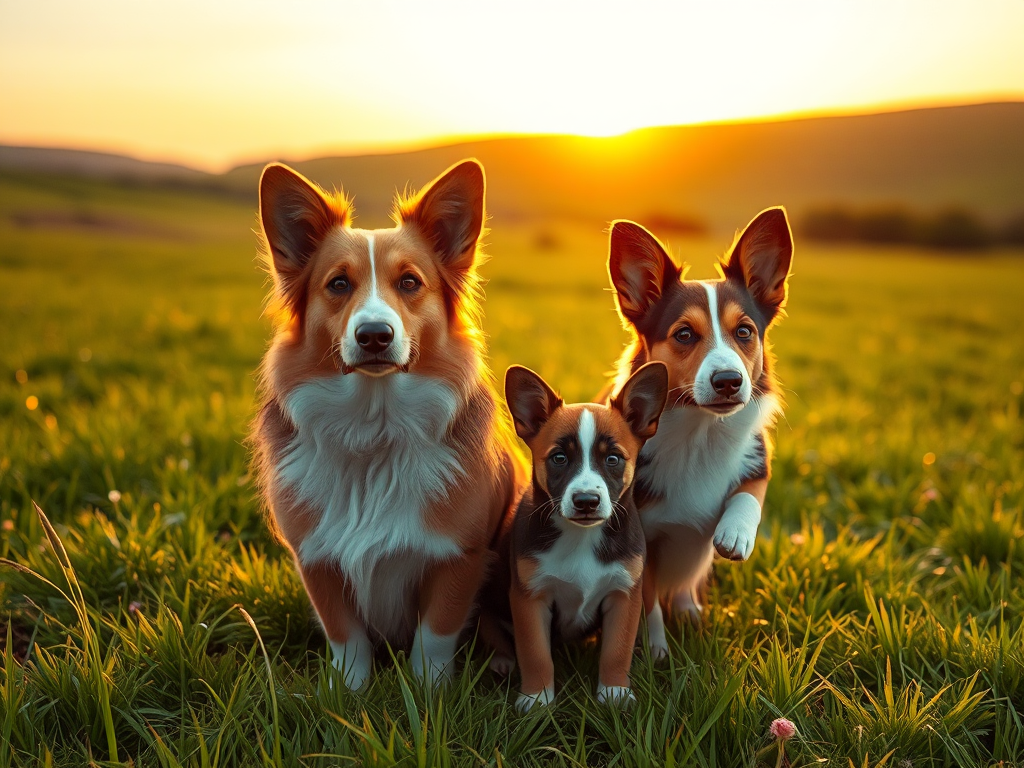
Over 14 generations, this single dog became the matriarch of a royal pack that at times numbered up to 13 dogs, earning the nickname “moving carpet” from Princess Diana. The Queen’s dedication to her corgis spanned more than seven decades, making them an iconic part of her legacy.
- The Queen’s corgi collection began with Susan in 1944 and grew to over 30 dogs through 14 generations of deliberate breeding.
- She viewed them as family, providing her emotional comfort during WWII and involving herself in their daily training and feeding.
- Princess Diana nicknamed the ever-present group a “moving carpet” because they constantly surrounded the Queen.
The Breeding Legacy: How Susan’s Lineage Expanded to Over 30 Corgis
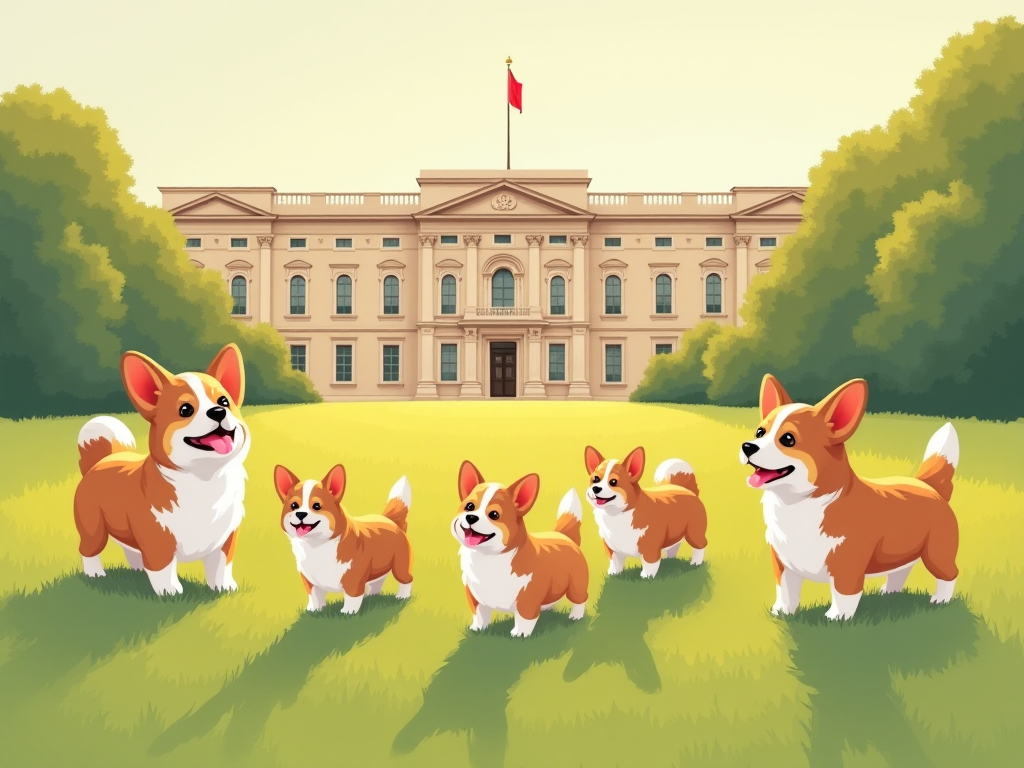
The Queen’s remarkable corgi collection originated from a single birthday gift that sparked a decades-long breeding program. Her father, King George VI, had brought home the first family corgi, Dookie, in 1933, sparking her childhood love for the breed. But it was Susan, presented to Princess Elizabeth on her 18th birthday in 1944, who became the foundational matriarch of nearly every corgi the Queen would own for the rest of her life.
This deliberate lineage preservation meant that all her subsequent corgis were direct descendants of Susan, creating a pure bloodline that lasted until the last Susan-descended corgi passed away in 2018. The Queen’s approach to breeding was highly personal—she carefully selected mates to maintain genetic continuity and often kept multiple generations alive simultaneously, resulting in packs that grew steadily over the years.
Susan: The First Royal Corgi and the 1944 Birthday Gift
Susan was more than a pet; she was the starting point of a royal dynasty of dogs. The gift coincided with a pivotal moment in the Princess’s life, as World War II raged and she was approaching her adult responsibilities. The young Elizabeth formed an immediate bond with Susan, finding in her a source of unwavering loyalty amid the uncertainties of wartime.
This early connection laid the foundation for a breeding philosophy that would span her entire life. Unlike many breeders who introduce outside blood to improve traits, the Queen chose to keep the line strictly within Susan’s descendants, a decision that reflected both her sentimental attachment and her desire to preserve a tangible link to her father and her youth. Every puppy born after Susan was a direct genetic continuation, making the royal corgis a unique, closed population that grew not through acquisition but through careful, planned breeding.
Breeding Statistics: 14 Generations and 83 Dogs
The scale of the Queen’s breeding program becomes clear when examining the numbers, which reveal interesting facts about Welsh Corgis that many people don’t know. Over the course of her life, she owned a total of 83 corgis and dorgis (corgi-dachshund mixes), with more than 30 corgis alive at any given time during her reign.
The lineage extended through 14 generations from Susan, a testament to meticulous record-keeping and selective pairing. The following table summarizes the key metrics:
| Metric | Value |
|---|---|
| Total corgis owned during reign | Over 30 |
| Total corgis and dorgis over lifetime | 83 |
| Generations bred from Susan | 14 |
| Last Susan-descended corgi passed away | 2018 |
These figures reveal a commitment that few dog breeders ever achieve. Maintaining a single bloodline for over 70 years required constant oversight, careful health management, and a deep understanding of genetics to avoid inbreeding complications. The Queen’s personal involvement—training, feeding, and walking the dogs herself—ensured that each generation retained the temperament and qualities she valued.
The end of the Susan line in 2018 marked the natural conclusion of a project that began in 1944, closing a chapter that spanned virtually her entire adult life. This decision also reflected her awareness of advancing age and the practical realities of caring for a large pack as a nonagenarian.
Peak Pack Size: Up to 13 Corgis in the 1980s
At the height of her corgi ownership in the 1980s, the Queen’s household included packs of up to 13 corgis at a time. This peak, noted by historical accounts, illustrates the logistical complexity of managing such a large group of active herding dogs. Each dog required individual attention, exercise, and training, yet the Queen insisted on maintaining a hands-on role.
The daily routine involved walking the dogs in the royal gardens, feeding them personally, and overseeing their behavior. The presence of so many corgis created a lively, sometimes chaotic environment—Princess Diana famously described them as a “moving carpet” that surrounded the Queen’s feet.
Managing a pack of this size demanded significant staff support, but the Queen’s direct involvement ensured the dogs remained well-behaved and socially integrated. The 1980s peak demonstrates that her dedication was not static; it fluctuated with her personal circumstances, yet the core commitment never wavered.
More Than Pets: The Queen’s Deep Emotional Bond with Her Corgis
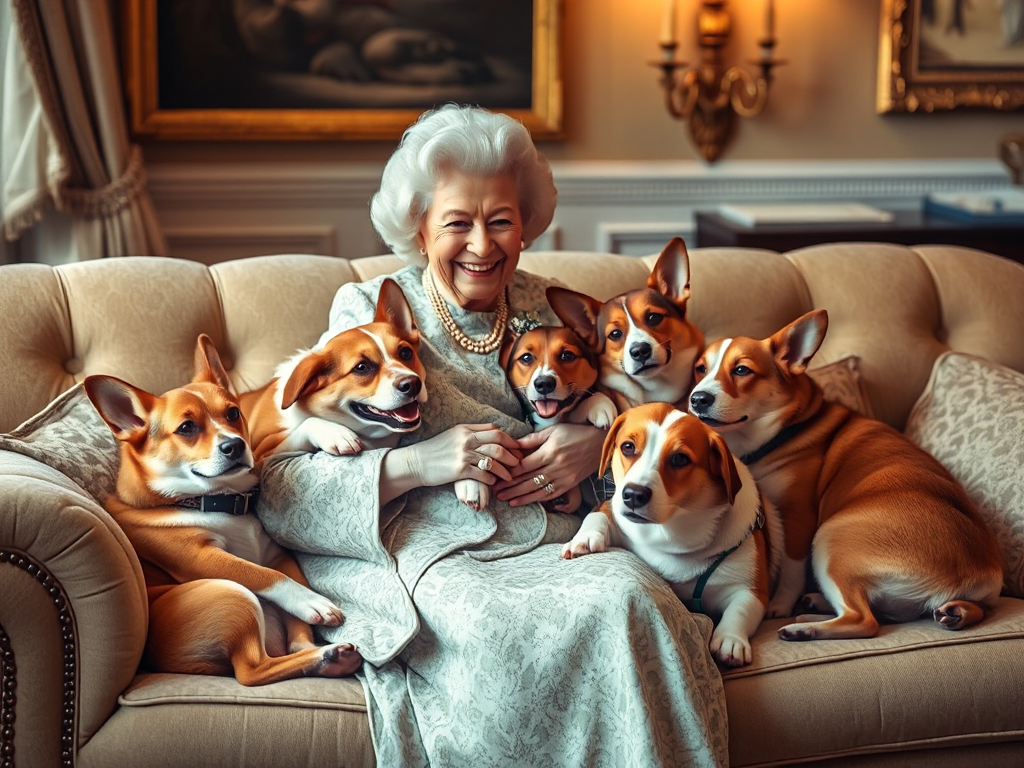
For Queen Elizabeth, the corgis were far more than royal pets—they were confidants, family, and a bridge to a simpler past. Her affection for the breed began in childhood and deepened through decades of public service and private challenge. The dogs provided a consistent source of unconditional love and a private sanctuary away from the scrutiny of monarchy.
This emotional connection explains why she went to such lengths to preserve the Susan bloodline and why she continued breeding even as she aged. The corgis were living reminders of her father, of wartime resilience, and of the person she was before becoming Queen. Their presence in her life was a deliberate choice to maintain a sense of normalcy and personal joy amid extraordinary responsibilities.
WWII Comfort: Corgis as Emotional Support
The origins of the Queen’s bond with corgis are rooted in the traumatic years of World War II. As a teenager, she witnessed the Blitz, the evacuation of London, and the constant threat of invasion. The family’s corgis, starting with Dookie and then Susan, offered a sense of stability and comfort during those uncertain times.
Dogs were a welcome distraction from the war’s horrors and a link to a carefree childhood that was rapidly disappearing. King George VI’s decision to bring Dookie home in 1933 was not merely a whimsical act; it provided his daughters with a source of unconditional companionship that would become even more precious as the nation endured hardship.
Elizabeth’s later reflection that the corgis connected her to her father underscores how deeply they were woven into her personal history. They were a living reminder of family unity during a period when the royal family’s role was to project strength and solidarity to the British public.
“Moving Carpet”: Princess Diana’s Nickname for the Royal Pack
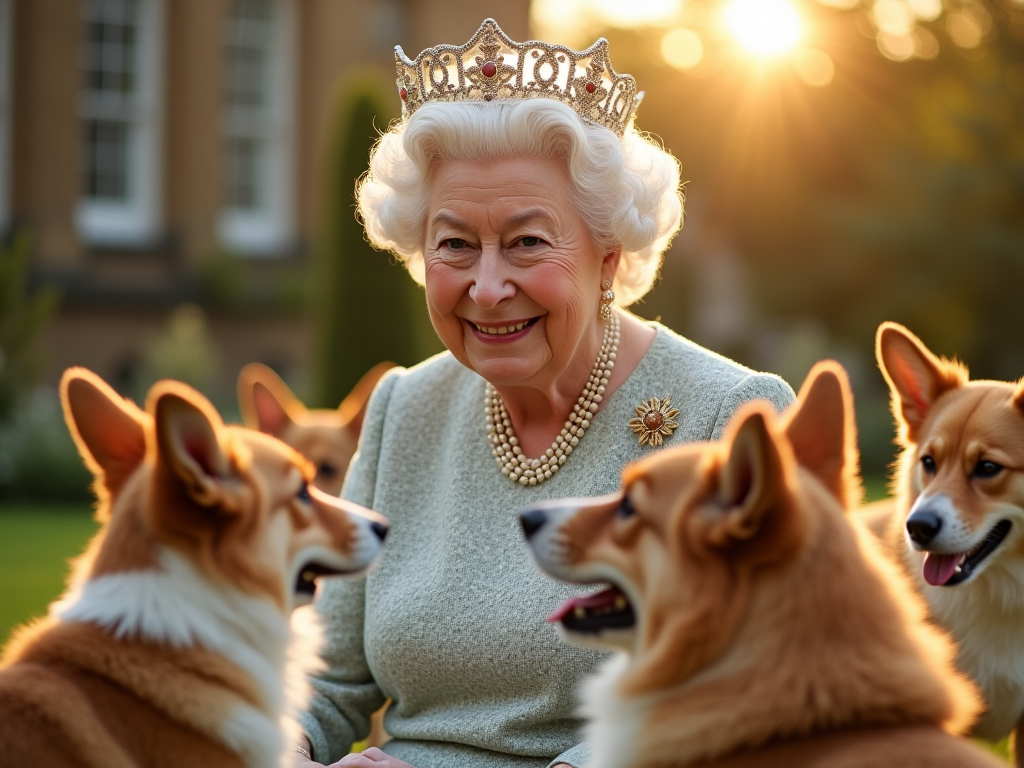
The image of Queen Elizabeth surrounded by a pack of short-legged dogs became one of the most endearing visual tropes of her later reign. Princess Diana, who married into the family in 1981, coined the term “moving carpet” to describe the way the corgis would cluster around the Queen’s feet as she moved through rooms. This nickname captured both the visual spectacle and the intimate, informal nature of the Queen’s relationship with her dogs.
In formal settings, the corgis were a sign of her humanity—a monarch who cherished simple, domestic pleasures. The “moving carpet” also symbolized the continuity of the breed within the royal household; each dog was a descendant of Susan, and together they formed a living tapestry of the Queen’s personal history. The phrase entered popular culture and is now inseparable from the public’s perception of Elizabeth II and her beloved pets.
Daily Care Routines: Training, Feeding, and Walking
What set the Queen apart from many pet owners was her hands-on involvement in the daily care of her corgis. Despite having a large staff, she insisted on performing many tasks herself, treating the dogs as family members rather than status symbols. Her routine included:
- Training: She often trained the dogs personally, using consistent commands and positive reinforcement. This ensured they were well-behaved in public and private settings.
- Feeding: The Queen frequently served their meals herself, a task that allowed her to monitor each dog’s appetite and health.
- Walking: Daily walks were non-negotiable, providing exercise for the dogs and a rare moment of privacy for the monarch. These walks took place in the royal gardens, away from cameras and protocol.
These routines reinforced her view of the corgis as companions, not accessories. By participating in their care, she maintained a direct connection to each individual dog and upheld the standards of responsible ownership she valued. This daily commitment also served as a therapeutic ritual, grounding her in the present and offering a respite from the demands of the crown.
Closing
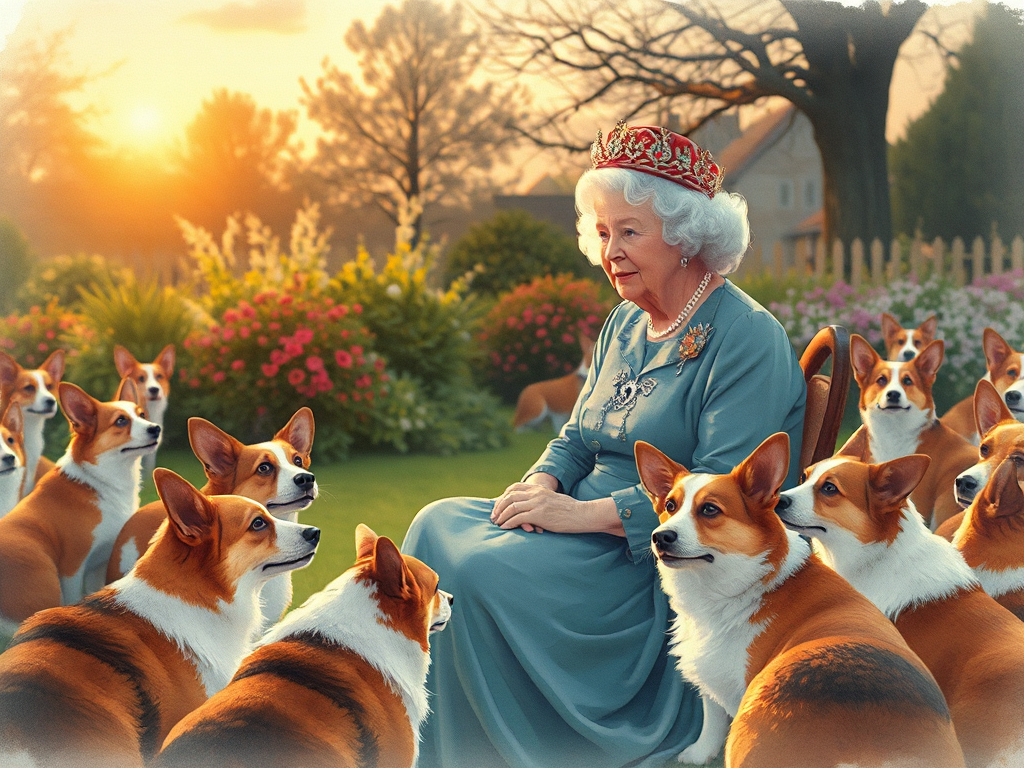
The Queen’s corgi phenomenon was defined by an unprecedented 70-year commitment to a single bloodline, a level of dedication rarely seen in dog breeding. Her personal involvement transformed the breed’s global image, making the Pembroke Welsh Corgi synonymous with the British monarchy.
For readers fascinated by this unique chapter in royal history, the BBC’s in-depth feature “Corgis: How the Queen fell in love and started a phenomenon” offers rare photographs and insights from royal staff who cared for the dogs. The story of Susan and her descendants remains one of the most touching examples of how a monarch’s private passion can capture the public’s imagination.