

My Dog Lick Me So Much? Dogs lick to communicate affection, bond, and explore their environment. This instinctual behavior serves multiple purposes, from showing love to gathering information about you.
While a few licks are normal, constant licking can signal underlying issues like anxiety, boredom, or medical needs. Understanding the reasons helps you respond appropriately and strengthen your bond.
Key Takeaway
- Dogs lick primarily to show affection and bond—it releases endorphins that create calm and joy.
- Excessive licking can signal anxiety, boredom, or medical issues; sudden changes warrant a vet check.
- You can reduce unwanted licking by redirecting attention, providing mental/physical stimulation, and rewarding non-licking affection.
Why Dogs Lick: The Science Behind the Behavior
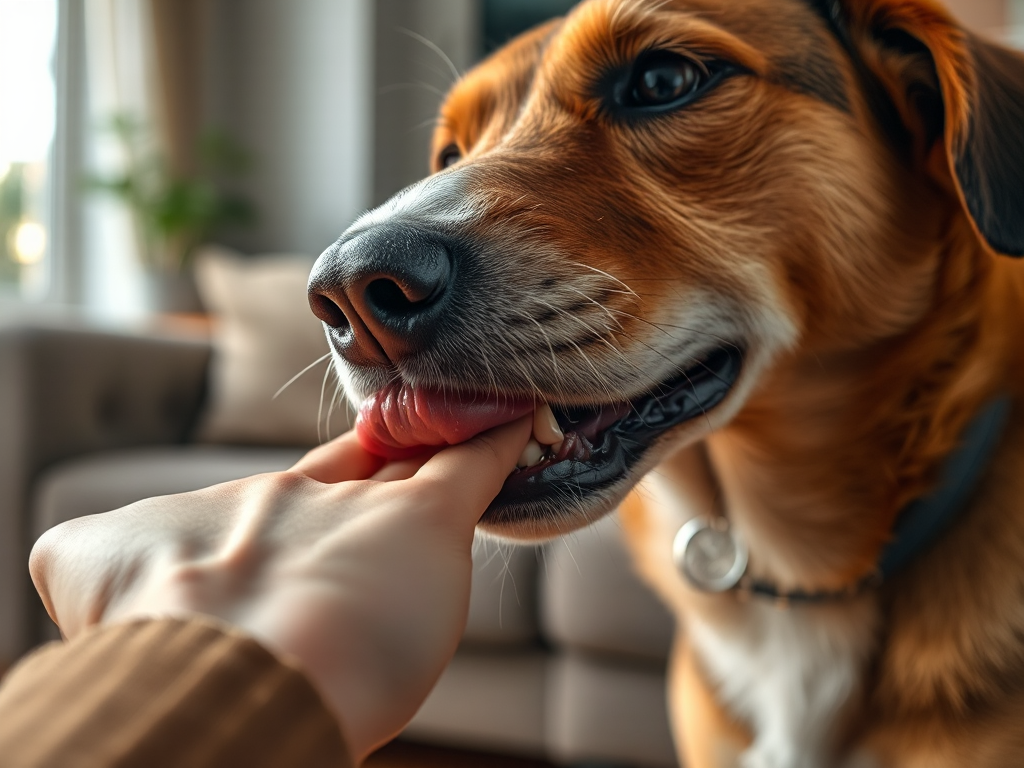
Affection and Bonding: Endorphin Release and Social Connection
Licking is a natural way for dogs to express love and strengthen social bonds. When a dog licks you, it triggers the release of endorphins in their brain. These chemicals create a feeling of calm and joy, similar to how exercise makes humans feel happier.
This behavior is rooted in canine pack dynamics, where licking functions like grooming—a mutual activity that reinforces trust and connection. According to the American Kennel Club, licking provides a dog with a sense of security and comfort, echoing the reassurance they felt as puppies when their mother licked them.
It is a submissive gesture as well, signaling that your dog respects you as part of their family. This affectionate licking is usually gentle and accompanied by relaxed body language, like a wagging tail or soft eyes.
Taste, Scent, and Information Gathering: How Dogs Explore Through Licking
Dogs experience the world primarily through their senses of smell and taste. Your skin carries natural salts from sweat, which many dogs find appealing. After you exercise or on a warm day, the salty taste becomes more noticeable, drawing your dog to lick your arms, legs, or face.
Lotions, perfumes, or even the residue from food can also attract their curiosity. Beyond taste, dogs possess a special sensory organ called the Jacobson’s organ (or vomeronasal organ) located in the roof of their mouth. This organ allows them to “taste” scents in a way humans cannot.
When your dog licks you, they are collecting chemical information about where you have been, what you have eaten, and even your emotional state through subtle changes in your skin’s chemistry. It is a non-invasive way for them to check on your wellbeing and update their mental map of your world.
Attention-Seeking: The Reinforcement Loop That Keeps Licking Going
- Step 1: Dog initiates licking, often starting gently on your hand or face.
- Step 2: Owner reacts—this could be laughter, talking, petting, or even pushing the dog away. Any reaction is attention.
- Step 3: Dog’s brain makes the connection: “Licking = Owner responds.” This reinforces the behavior.
- Step 4: The dog repeats licking to get the desired attention, strengthening the habit over time.
This cycle is a powerful driver of frequent licking. As PetMD notes on December 19, 2023, licking is inherently an attention-seeking behavior; the act itself reliably gets a response from humans. The Royal Kennel Club also confirms that dogs may lick simply to get your focus.
The problem escalates when owners unintentionally reward the behavior—by petting, playing, or even scolding. To a dog, negative attention is still attention.
Breaking this loop requires completely ignoring the licking, which is addressed in the strategies section. The key is to ensure the dog receives ample positive attention for calm, non-licking behaviors instead.
Anxiety and Stress: Licking as a Self-Soothing Mechanism
Just like humans might bite their nails or pace when nervous, dogs use licking to self-soothe. Intense, repetitive licking releases endorphins that help alleviate stress and create a temporary sense of relief. This can become a compulsive habit, especially in dogs with anxiety disorders or obsessive-compulsive tendencies.
Rover.com reported on February 10, 2025, that excessive licking is a clear symptom of anxiety or OCD in dogs. Boredom is a closely related factor; a dog lacking mental and physical stimulation may resort to licking as a default activity to fill time and manage restless energy. Purina reinforced this on January 8, 2026, stating that excessive licking often stems from boredom.
You might notice this licking increases during storms, when left alone, or in chaotic household environments. It is the dog’s way of coping with overwhelming feelings, and it requires addressing the root cause of stress rather than just the symptom.
When Is Dog Licking Excessive? Health and Behavioral Red Flags

Obsessive Licking Patterns: What Qualifies as Excessive
- Frequency and Duration: Licking that is constant, lasting for minutes or hours without pause, rather than a few quick kisses.
- Intensity: Aggressive, forceful licking that may irritate skin or leave wet spots, versus gentle, occasional licks.
- Onset: Sudden, new licking behavior in an older dog, or a dramatic increase in frequency without an obvious trigger.
- Focus: Fixation on a specific spot on your body or on themselves (which may indicate a medical issue).
While normal licking is a brief, affectionate gesture, excessive licking dominates interactions. The AI Overview advises monitoring for “obsessive or sudden, new licking behaviors.” Rear Road Animal Hospital noted on May 13, 2025, that when a few appreciative licks turn into constant slurping, it can signal that something more is happening. This red flag means the behavior is no longer just communication—it is likely a symptom of discomfort, anxiety, or a developing compulsive disorder that needs intervention.
Potential Medical Issues in Your Dog to Rule Out
If your dog’s licking seems compulsive, it is crucial to rule out physical pain or discomfort. Underlying health problems in your dog that can cause excessive licking include: chronic pain from arthritis or dental issues; skin allergies or irritations; gastrointestinal distress; and neurological conditions. The dog may lick you as a cry for help or to distract from their own discomfort.
The AI Overview explicitly states that obsessive licking could indicate an underlying health issue in the dog, such as pain, allergy, or a skin issue. Therefore, if the licking is new, intense, or paired with other signs like lethargy, loss of appetite, or changes in behavior, consulting a veterinarian is the first and most important step. A professional can perform a thorough examination to identify or eliminate medical causes before focusing on behavioral training.
Changes in Your Skin That May Trigger Increased Licking
In rare cases, the trigger for increased licking may come from changes in you. Dogs are incredibly sensitive to scent. A shift in your skin’s natural odor or taste—due to a new medication, a hormonal change, a medical condition like diabetes or kidney disease, or simply increased sweating from a new workout routine—can make you more appealing or intriguing to your dog.
They may lick more to investigate the unfamiliar chemical signature. The AI Overview mentions this as a rare possibility: a medical issue in the human (e.g., changes in skin smell) can trigger licking. If your dog suddenly becomes obsessed with licking a particular area of your skin, and you have recently started a new medication or noticed health changes, it is worth discussing with both your doctor and your veterinarian to explore this connection.
How to Reduce Unwanted Licking: Positive, Effective Strategies
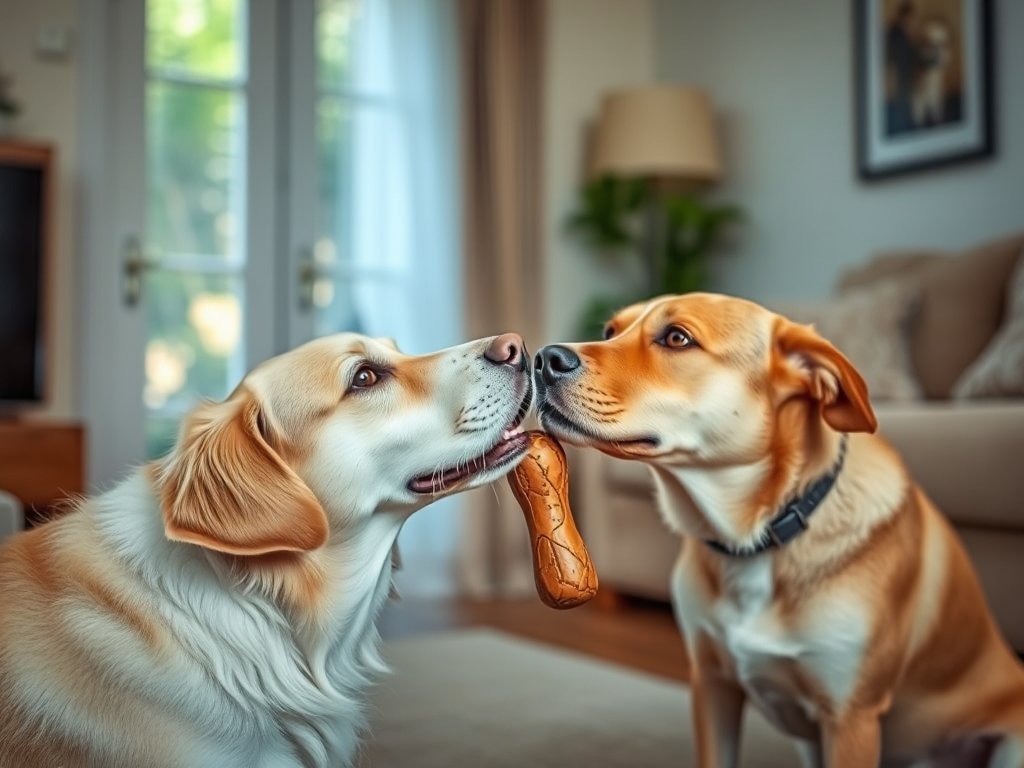
Redirect Attention: The Silent Withdrawal Technique
- Stop All Interaction Immediately: The moment licking starts, cease petting, talking, or making eye contact. Do not say “no” or push the dog away, as this is still engagement.
- Move Away Silently: Stand up or step back without a word. Do not look at the dog.
- Leave the Area: Walk out of the room for a brief period, typically 30 seconds to 2 minutes.
- Return Calmly: Re-enter and ignore the dog if they resume licking. Repeat the withdrawal. Only give attention when they are calm and not licking.
This method, recommended by veterinary behaviorists, works because it removes all reinforcement. As a YouTube video from “ASK THE VET with Dr…” explains, “The key is to silently withdraw from the licking and not respond to it at all so there’s no confusion or misinterpretation by your dog.” The dog learns that licking makes the fun interaction stop, while being calm brings it back. Consistency is critical—every family member must use the same technique for it to be effective.
Provide Alternatives: Mental and Physical Stimulation
- Interactive Puzzle Toys: Toys that dispense treats slowly require concentration and problem-solving, redirecting energy.
- Daily Training Sessions: Short, 10-minute sessions practicing commands like “sit,” “down,” or “leave it” provide mental work and strengthen your bond positively.
- Extended or Varied Walks: Increase walk duration or change routes to provide new smells and physical exhaustion.
- Interactive Play: Games like fetch, tug-of-war (with rules), or scent work where you hide treats for them to find.
Addressing the root cause of boredom is essential. Riverbend Veterinary PetCare Hospital advises keeping dogs mentally and physically stimulated with toys, puzzles, and exercise. Purina reinforces this on January 8, 2026, stating that excessive licking often stems from boredom and can be combated by ensuring plenty of mental and physical stimulation and enrichment.
A tired, engaged dog is less likely to resort to repetitive licking for entertainment. For more ideas on keeping your dog occupied, explore resources on understanding why dogs eat grass, which also discusses natural foraging instincts. Similar investigative behaviors, such as Why does my dog eat poop?, are rooted in these same instincts and can be mitigated with appropriate stimulation.
Reward Non-Licking Affection: Positive Reinforcement Training
Catch your dog in the act of being calm and affectionate without licking. The moment they sit beside you quietly or rest their head on your lap without licking, mark the behavior with a happy “Yes!” and offer a small, tasty treat. Pair this with gentle petting and calm praise.
The timing must be immediate so the dog clearly associates the reward with the desired quiet behavior. The AI Overview’s strategy is to “Offer Rewards: Reward your dog with treats when they sit quietly or act affectionate *without* licking.” Over time, your dog will learn that calm presence earns positive reinforcement, while licking results in the withdrawal of attention. This builds a new, stronger habit.
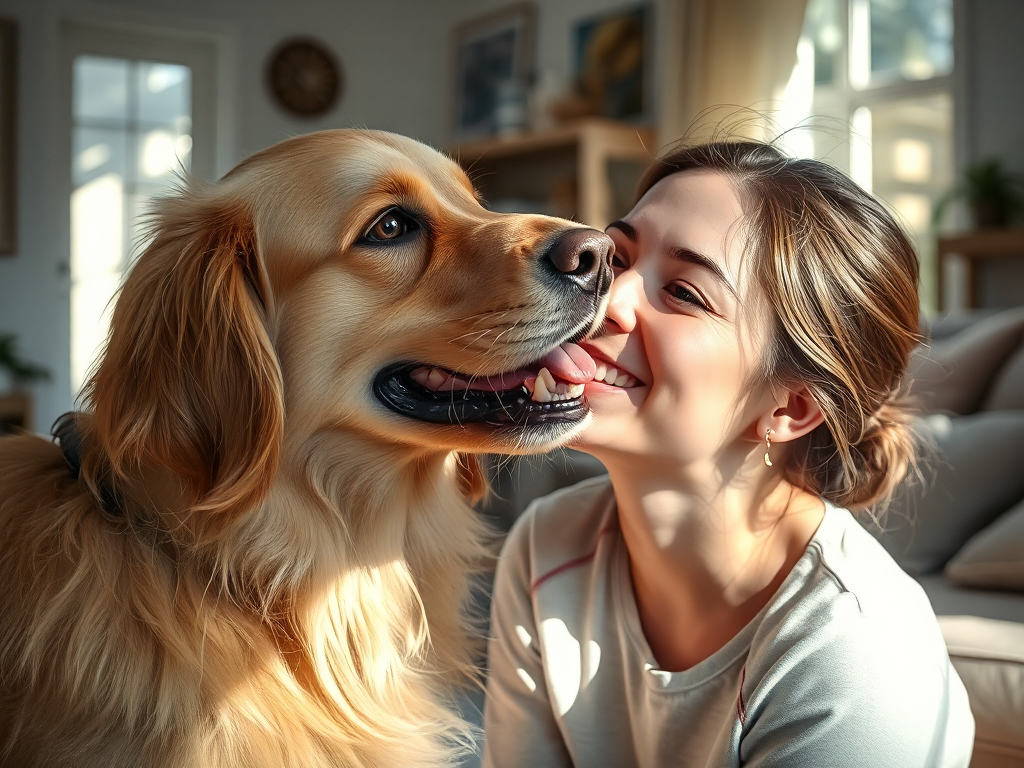
Avoid rewarding any form of licking, even if it seems gentle, to prevent mixed signals. For complex cases, consulting a professional dog trainer can help tailor a positive reinforcement plan.
Dogs use their Jacobson’s organ to literally “taste” scents and gather information about your wellbeing—a surprising insight into their investigative nature. To manage licking, start a consistent “no-response” withdrawal protocol: when licking begins, stop all interaction, silently leave the room for 2-3 minutes, and only return when the dog is calm. Pair this with daily mental stimulation and rewarding quiet affection.
If the behavior remains compulsive or suddenly changes, schedule a veterinary check-up to rule out medical issues. Why Does My Dog Lick Me So Much? For more on interpreting canine behaviors, visit petflixandchill for expert guidance.