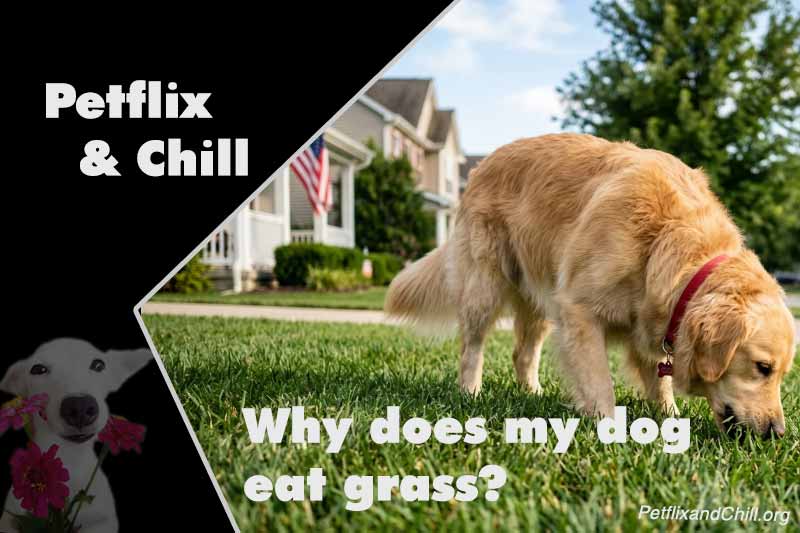
Observing your dog munching on grass can be puzzling, but veterinary data shows this behavior is extremely common across all breeds and ages. According to multiple veterinary sources, including VCA Hospitals and the American Kennel Club, grass-eating is typically a normal canine behavior with several benign explanations. Yet, certain patterns indicate it may be a sign of illness or distress.
Understanding the distinction helps you decide when to simply monitor and when to seek professional care. Veterinary experts confirm that occasional grazing is rarely dangerous, but obsessive consumption paired with vomiting or lethargy warrants immediate attention.
Key Takeaways: Why Dogs Eat Grass
- Most grass-eating is normal: Dogs often graze due to instinct, enjoying the taste/texture, or a natural foraging urge.
- It can soothe mild stomach upset: Some dogs eat grass to aid digestion or induce vomiting if feeling nauseous.
- Dietary fiber deficiency is a possible cause: A lack of fiber in their diet may drive them to seek plant material.
- Boredom or anxiety can trigger the habit: Like nervous habits in humans, it can be a response to under-stimulation.
- Watch for warning signs: Contact your vet immediately if eating is obsessive, or if paired with vomiting, diarrhea, lethargy, or loss of appetite.
- Safety first: Never allow grazing on pesticide-treated lawns and be aware of parasite risks from slugs/snails.
Common Reasons Dogs Eat Grass (Is It Normal?)

Instinct, Taste, and Natural Foraging Behavior
Dogs are omnivores with ancestral instinct that drive them to consume plant material. Many dogs simply enjoy the taste and crunch of grass, especially young, tender blades in spring and summer (Blue Cross, 2023). This behavior is not necessarily about nutrition; it’s often a sensory pleasure. The act of grazing can be a natural extension of their wild ancestors’ diet, which included grasses and berries. Even though domestic dogs don’t need plant matter for survival, the instinct remains. This is the most common and harmless reason for grass-eating, and it typically requires no intervention. Additionally, some experts suggest that dogs may be attracted to the certain textures or even the smell of fresh grass. The behavior is often seen in puppies and young dogs who are more exploratory. It’s a normal part of canine behavior and should not cause alarm unless it becomes excessive.
Soothing an Upset Stomach or Digestive Discomfort
Grass-eating may serve as a self-soothing mechanism for minor digestive issues. Several theories explain this connection:
- Grass provides roughage that aids digestion (Pet Wellness Clinics).
- Dogs may eat grass to trigger vomiting and relieve nausea (WebMD, 2024; VCA Hospitals).
- However, not all dogs vomit after consuming grass (River Gate Veterinary Clinic, 2024).
These theories suggest that grass-eating can be a natural remedy for an upset stomach. One common observation is that dogs with sensitive stomachs may turn to grass as a natural source of fiber, which can help regulate digestion. The fibrous blades may act as a mild laxative or provide bulk to stool.
Additionally, the act of eating grass and subsequently vomiting can be a way for dogs to clear their system of something that doesn’t agree with them. However, scientific evidence supporting the vomiting theory is mixed; some studies show only a minority of dogs vomit after eating grass. This indicates that the behavior may have multiple functions depending on the individual dog’s needs.
In any case, if your dog eats grass and then vomits once but seems fine afterward, it’s likely not an emergency. But repeated vomiting or signs of distress should prompt a veterinary visit.
Yet, it’s important to note that many dogs eat grass without any signs of discomfort, and the behavior is only concerning if it’s frequent or accompanied by other symptoms like persistent vomiting. Occasional grazing for digestive comfort is generally harmless and does not require intervention.
Dietary Fiber Deficiency and Nutritional Needs
A lack of dietary fiber can prompt dogs to seek out plant material like grass. This is technically known as pica, which may indicate a nutrient deficiency (VCA Hospitals). Fiber is essential for healthy digestion and regular stool passage (American Kennel Club). Most commercial dog foods are formulated to provide adequate fiber, but if a dog’s diet is insufficient or poorly balanced, they may turn to grass to compensate (Veteris UK, 2025). Ensuring your dog receives a high-quality, balanced diet with appropriate fiber content can often reduce grass-eating behavior. Consult your veterinarian to evaluate your dog’s current food and consider a switch to a high-fiber formula if needed. Remember, grass-eating alone is not a definitive sign of a deficiency; it’s one of many possible indicators.
Boredom, Anxiety, and Compulsive Habits
Similar to human nervous habits like nail-biting, grass-eating can stem from boredom or anxiety. Dogs left alone for long periods or lacking mental stimulation may turn to grazing as a pastime (Bruceville PH, 2023). It’s crucial to differentiate between occasional, relaxed grazing and frantic, obsessive consumption. The latter may signal underlying anxiety or a compulsive disorder that requires behavioral intervention (VEG ER for Pets, 2025). If your dog seems restless or stressed, increasing exercise and enrichment may help alleviate the habit. In many cases, simply providing more interactive playtime or training sessions can redirect their focus away from grass.
When Grass Eating Signals a Health Problem

Red Flags: Signs That Require a Vet Visit
While grass-eating is usually benign, certain signs indicate it may be a symptom of illness. Contact your veterinarian if you observe:
- Obsessive or frantic consumption of grass (VEG ER for Pets, 2025; Mission Road Animal Clinic, 2026)
- Frequent vomiting or diarrhea after eating grass
- Lethargy, loss of appetite, or significant weight loss
- Signs of pain or abdominal discomfort
These symptoms may point to gastrointestinal disease, poisoning, or other serious conditions. Grass-eating itself is rarely an emergency, but these accompanying symptoms can indicate anything from a simple stomach bug to more serious issues like inflammatory bowel disease, pancreatitis, or even ingestion of a toxic substance. When in doubt, it’s always safer to have a vet examine your dog.
Bring a fresh stool sample if possible, as this can provide valuable diagnostic information. Note that some dogs may eat grass to self-induce vomiting when they feel nauseous; if this happens frequently, it’s a sign that their digestive system needs professional attention.
Early veterinary evaluation is crucial for accurate diagnosis and treatment. Do not wait to see if the behavior resolves on its own when these red flags are present.
Hidden Dangers: Pesticides, Fertilizers, and Parasites
Even normal grass-eating carries environmental risks. Never allow your dog to graze on lawns treated with pesticides, fertilizers, or herbicides, as these chemicals can be toxic if ingested. Chemical residues from lawn treatments can cause a range of symptoms from mild gastrointestinal upset to severe neurological issues. Even organic fertilizers may contain harmful bacteria. Additionally, grass can harbor slugs and snails that carry lungworm, a potentially fatal parasite. Regularly inspect your yard for these pests and keep your dog on a leash during walks to avoid contaminated areas. The parasite is particularly dangerous because it’s not always visible to the naked eye. To minimize risk, maintain a short, regularly mowed lawn to deter slugs, and consider using natural pest control methods like copper tape or nematodes. Always rinse your dog’s paws after walks to remove any potential contaminants. The safest approach is to provide a clean, chemical-free grazing area if your dog insists on eating grass, or to distract them with an alternative treat. Proactive management of your outdoor space significantly reduces these hidden dangers.
“What is my dog lacking?” Addressing Potential Deficiencies
While nutritional deficiencies are a possible cause, they should be diagnosed by a veterinarian rather than assumed. If you suspect your dog is lacking certain vitamins or minerals, request a blood work panel to identify any imbalances (Founders Green, 2025). Blood work can reveal deficiencies in iron, B vitamins, magnesium, and other essential nutrients. However, it’s important to understand that grass-eating is a nonspecific symptom; many dogs with perfectly balanced diets still graze occasionally. Therefore, veterinarians typically consider grass-eating as just one piece of the puzzle, alongside other signs like coat condition, energy levels, and stool quality. Never supplement your dog’s diet without professional guidance, as excess nutrients can be harmful. A vet can recommend an appropriate diet or supplement if a deficiency is confirmed. If a deficiency is found, your vet may recommend a therapeutic diet or specific supplements. Avoid the temptation to add human vitamins or random supplements, as this can lead to toxicities. Always rely on professional advice for any dietary changes. Remember, grass-eating alone is not a definitive sign of a deficiency; it’s one of many possible indicators. Focus on a complete, balanced diet formulated by experts to meet all nutritional needs.
How to Respond: Safe Management Strategies

Improving Diet: Ensuring Proper Fiber and Nutrition
Start by evaluating your dog’s diet with your veterinarian. Key steps include:
- Consult your vet about switching to a high-fiber, balanced commercial diet (Veteris UK, 2025)
- Consider vet-approved fiber supplements like plain canned pumpkin (not pie filling) if recommended
- Avoid homemade diet imbalances—work with a professional to ensure nutritional completeness
A diet that meets all nutritional needs reduces the urge to seek out alternative food sources. High-fiber foods promote healthy digestion and may satisfy your dog’s craving for roughage. Always introduce dietary changes gradually to avoid further stomach upset.
If a deficiency is identified, targeted supplementation under veterinary supervision can correct it safely. Some dog owners find that adding a spoonful of plain pumpkin to meals provides both fiber and a tasty treat that may deter grass-eating. However, every dog is different, so what works for one may not work for another.
Boosting Mental Stimulation to Combat Boredom
Increase your dog’s daily engagement to reduce compulsive grass-eating. Effective strategies:
- Increase walk duration and complexity; incorporate “sniffari” walks where dogs explore scents
- Introduce puzzle toys and food-dispensing toys that challenge the mind
- Schedule regular training sessions or dog sports like agility or obedience
- Ensure adequate social interaction with people and other dogs (AI Overview)
A mentally stimulated dog is less likely to develop compulsive behaviors. Dogs are intelligent creatures that need both physical and mental exercise to stay balanced. A bored dog may develop repetitive behaviors like grass-eating as a way to occupy themselves.
Consider incorporating training drills into daily routines, such as practicing sit-stay while you prepare food. Interactive toys that require problem-solving to access treats can keep them occupied for hours. Social interaction is equally important; playdates with other dogs or visits to dog-friendly parks can provide essential mental stimulation.
Rotate toys and introduce new challenges regularly to maintain interest. Consistency is key—make enrichment a daily habit rather than an occasional activity.
For more tips on understanding your dog’s behavior, see our article on why dogs lick their owners. The goal is to create a rich environment that satisfies their natural curiosity and reduces the urge to engage in potentially harmful habits.
Creating a Safe Outdoor Environment
If your dog continues to eat grass despite other interventions, focus on making the outdoor environment as safe as possible. Use pet-safe landscaping, avoid chemical treatments, and regularly check for slugs or snails. Supervise yard time to intervene if needed. Remember, the goal is risk reduction, not necessarily eliminating all grazing, as occasional grass consumption is generally harmless. Consider creating a designated ‘grazing area’ with safe, organic grass if your dog insists on eating plants. Train a reliable ‘leave it’ command to prevent them from consuming unknown vegetation during walks. Regularly mow the lawn to keep grass short and less appealing, and remove any toxic plants from your yard. These simple measures can significantly reduce the risks associated with grass-eating while respecting your dog’s natural instincts. By combining dietary optimization, mental stimulation, and environmental safety, you can effectively manage this common canine behavior while protecting your pet’s health.
Ultimately, your dog’s grass-eating is a piece of their wellness puzzle, not the whole picture. The most surprising insight for many owners is that the behavior is usually a symptom, not the disease itself—pointing to a dietary gap, a bored mind, or a minor tummy ache. Your single most powerful action this week is to become a keen observer.
Start a simple log: note when and how much grass they eat, and if vomiting or lethargy follows. This objective data, shared with your veterinarian, transforms a vague concern into a clear diagnostic tool, ensuring you address the real root cause efficiently and keep your companion thriving. For more comprehensive pet care resources, visit petflixandchill.