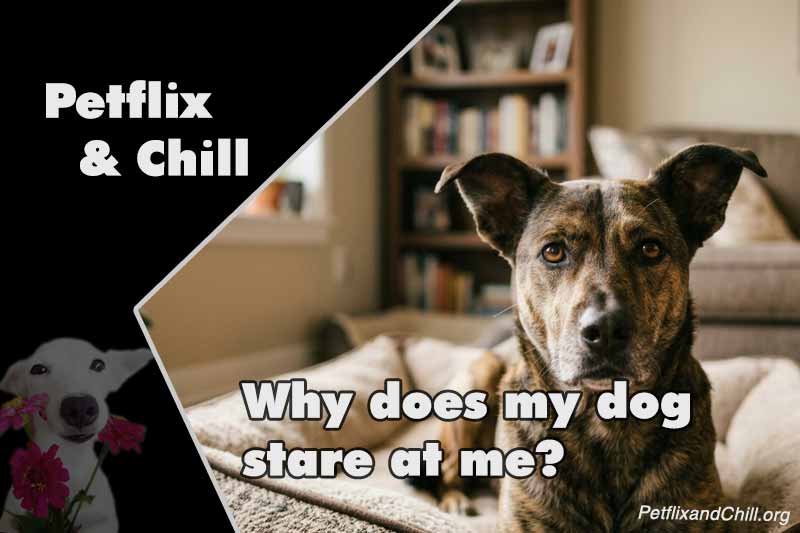
Dogs stare at their owners primarily to communicate needs, show affection, or read body language to predict your next move, according to veterinary research. This behavior serves multiple purposes, from expressing love to signaling hunger or anxiety. In this article, we explore the three main reasons behind canine staring: the oxytocin-driven bonding mechanism, common needs dogs communicate, and how they read human body language.
We’ll also cover how to interpret different types of gazes, recognize stress signals, and identify when staring may indicate health problems requiring veterinary attention. For more pet care tips and insights, visit petflixandchill.org.
Key Takeaway
- Mutual gazing releases oxytocin, the ‘love hormone,’ in both dogs and humans, strengthening your bond (2015 Science study, confirmed 2026).
- A soft, relaxed gaze signals affection, while a hard, unblinking stare with stiff body may indicate anxiety, fear, or aggression.
- Staring into space or accompanied by trembling/pacing can signal cognitive dysfunction in seniors or medical issues requiring vet evaluation.
Why Does My Dog Stare at Me? The 3 Main Reasons Behind the Gaze
Oxytocin Release: How Mutual Gazing Strengthens Your Bond
- Oxytocin surge during mutual gazing: A 2015 study published in Science by Japanese researchers found that when dogs and owners make eye contact, oxytocin levels increase in both species, promoting bonding (Science, 2015).
- 2026 scientific confirmation: Yuan‘s 2026 research in ScienceDirect reaffirms that oxytocin is a key hormone in the dog-human social bond and may have contributed to the domestication process (ScienceDirect, 2026).
- The Farmer’s Dog summary (February 2026): This pet health resource reports that current evidence consistently shows dogs release oxytocin during positive interactions with their owners, reinforcing attachment.
- Evolutionary advantage: During domestication, dogs that engaged in mutual gazing likely received more care and protection from humans, creating a positive feedback loop that strengthened the bond over generations.
- Bonding significance: The oxytocin response reduces stress, increases trust, and enhances the emotional connection between dog and owner, explaining why dogs often seek eye contact as a form of affection.
Common Needs Dogs Communicate Through Staring
- Hunger signals: Dogs often stare at their owners when they’re hungry, especially around mealtime or when food is being prepared (Purina UK, 2025; Chewy, 2025). This stare may be accompanied by whining or following you to the kitchen.
- Request to go outside: A dog needing a potty break or walk may stare at you while pacing near the door or standing by the leash (AI Overview). The stare is a direct request for action.
- Attention and play: Bored or lonely dogs use staring to initiate interaction. They may want pets, playtime, or simply your presence (Jax Dog Drop, 2025). This is especially common in breeds that thrive on human companionship.
- Learned reinforcement: Dogs quickly learn that staring gets results. If you respond to the stare with food, attention, or a walk, the behavior is positively reinforced and becomes more frequent (PetMD, 2024).
- Escalation tactics: Some dogs start with a stare, then add a play bow, whine, or move toward the relevant object (like the leash) to make their request clearer (PetMD, 2024). This shows their communication skills.
- Consistency matters: Dogs study their owners’ habits and routines, allowing them to anticipate events. Consistent daily patterns make it easier for dogs to predict what comes next (RD.com, 2024; AI Overview).
Predicting Daily Routines: Dogs Read Your Body Language
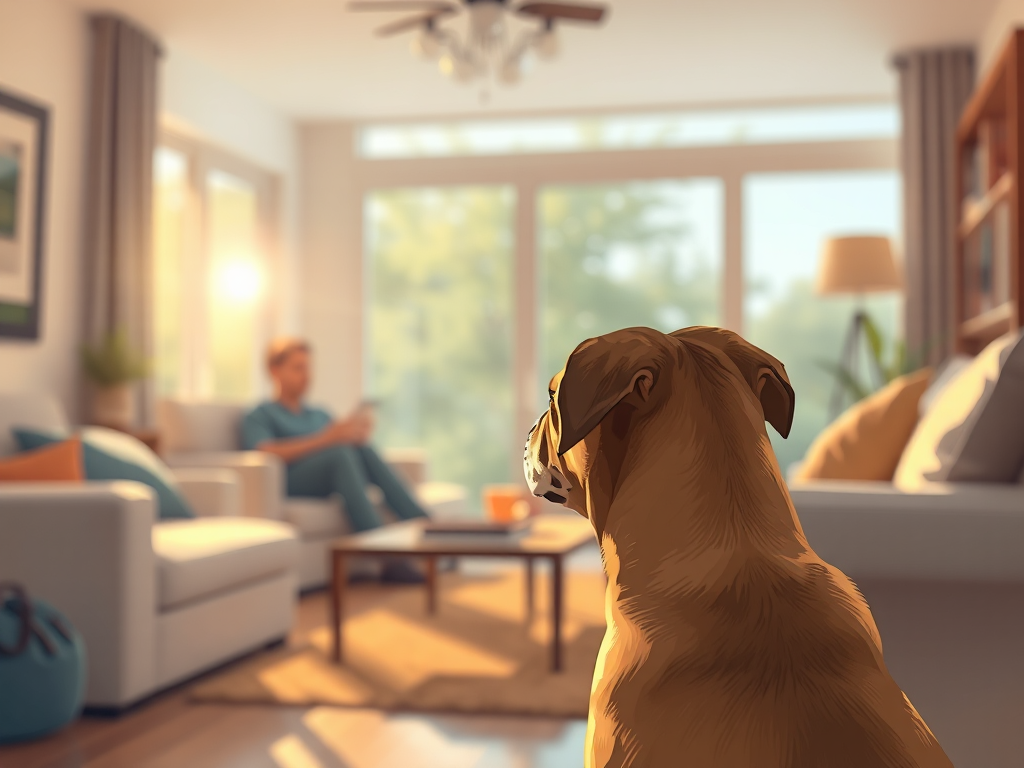
- Expert observers: Dogs are highly attuned to human body language. They study their owners’ movements, posture, and facial expressions to anticipate what will happen next (RD.com, 2024).
- Specific cue recognition: Picking up a leash signals a walk; putting on shoes means you’re leaving or returning; reaching for a food bowl indicates mealtime (AI Overview).
- Reading emotions and tone: Dogs also interpret your facial expressions and voice tone to gauge your mood and predict the nature of upcoming interactions (RD.com, 2024).
- Desire to participate: As WebMD (2025) notes, dogs consider their owners important and want to be part of all activities, so they constantly monitor your actions to stay involved.
- Learning through repetition: Over time, dogs become adept at linking your specific actions with outcomes, such as associating the sound of keys with a car ride or the sight of a coat with a walk (WebMD, 2025).
- Anticipatory excitement: This ability to predict routines can lead to excited staring when they sense a favored activity is imminent, like a walk or feeding time.
How to Read Your Dog’s Stare: Soft Eyes vs. Hard Stare Body Language
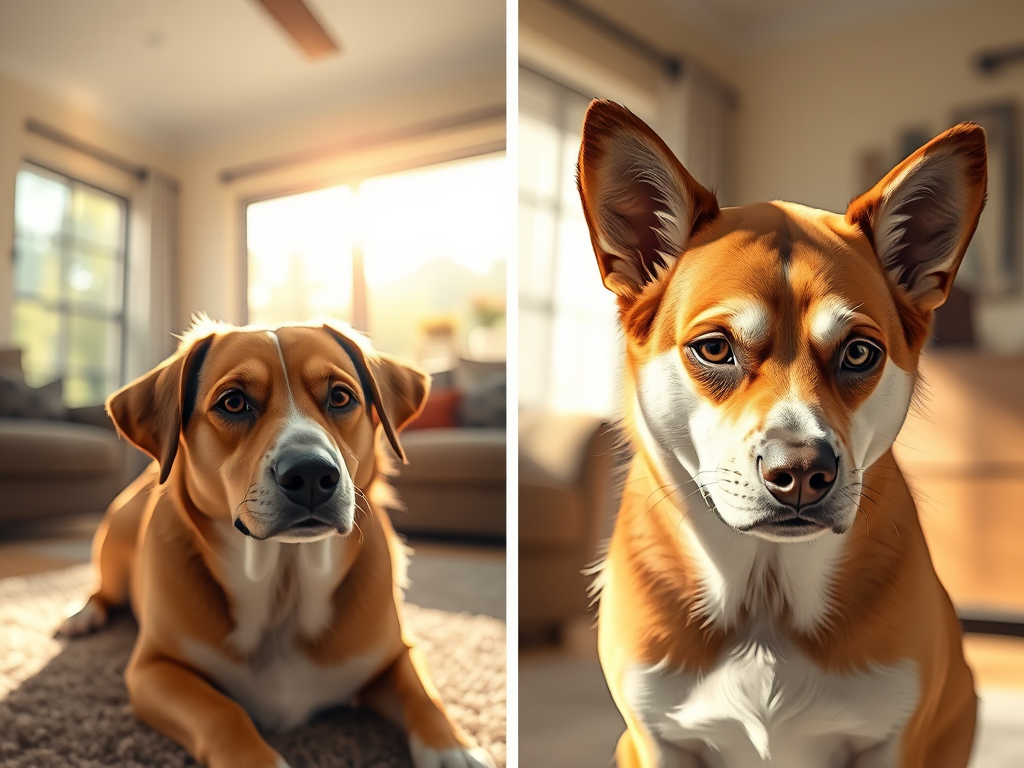
Soft Eyes vs. Hard Stare: A Visual Comparison
| Gaze Type | Body Signs | Typical Meaning | Appropriate Human Response |
|---|---|---|---|
| Soft/Relaxed | Relaxed face, slow blinks, slight squint, loose body, possibly wagging tail | Affection, curiosity, contentment, trust | Enjoy the moment, gentle petting, reciprocate with soft gaze |
| Hard/Intense | Rigid body, stiff posture, unblinking, pinned ears, dilated pupils | Wanting something (food, attention), anxiety, fear, potential aggression | Assess context, avoid staring back, identify need, offer reassurance if appropriate |
| Fixed with Tension | Tense muscles, whale eye (showing whites), frozen posture, possibly raised hackles | High stress, feeling threatened, warning sign before escalation | Give space, avoid direct eye contact, remove stressors, consult professional if persistent |
| Staring into Space | Vacant look, unfocused, may have head tilt or confusion, no reaction to stimuli | Canine cognitive dysfunction (dementia), medical issue (seizure), daydreaming | Note duration/frequency, monitor for other symptoms, schedule vet check if concerning |
Understanding these gaze types is essential, but context is everything. A soft gaze with a wagging tail clearly signals happiness, while the same soft eyes with a tense body might indicate a dog that’s trying to be calm but is actually anxious. Always observe the whole body: ears, tail, posture, and overall tension provide crucial clues.
For example, a hard stare accompanied by a low growl and raised hackles is a clear warning, whereas a hard stare while you hold a treat likely just means excitement. Responding appropriately—such as giving space during a tense stare or enjoying a relaxed gaze—helps build trust and prevents miscommunication. Remember, never challenge a dog with a hard stare; instead, look away to de-escalate.
Context is Key: Combining Gaze with Full Body Language
A dog’s eyes are just one piece of the communication puzzle. To accurately interpret a stare, you must consider the entire body language package. The position of the ears, the carriage of the tail, the tension in the muscles, and the overall posture all modify the meaning of the gaze.
For instance, soft eyes paired with a wagging tail and loose, wiggly posture indicate a friendly, affectionate dog. In contrast, soft eyes combined with a tucked tail, crouching stance, and avoidance suggest fear or submission. A hard stare with a relaxed body might simply mean the dog is focused on a treat, but the same hard stare with a stiff, upright posture, pinned ears, and possibly a low growl signals aggression or intense fear.
Additionally, the environment matters: is there a trigger like a stranger, another animal, or a loud noise? By synthesizing these cues, you can respond appropriately and strengthen your understanding of your dog’s emotional state. askavet.com (2025) emphasizes that ignoring full-body signals can lead to misinterpretation and potential conflict.
Whale Eye and Dilated Pupils: Recognizing Stress Signals
- Whale eye: When a dog shows the whites of its eyes (sclera) around the iris, often with a tense body, it’s a classic sign of fear, stress, or potential aggression. This “whale eye” indicates the dog feels threatened and may bite if cornered (askavet.com, 2025; VCA Hospitals, 2025).
- Dilated pupils: In normal lighting conditions, enlarged pupils suggest high arousal, fear, or anxiety.
Pupils may also dilate during excitement, but in combination with other stress signals, they point to discomfort (VCA Hospitals, 2025).
- Rapid blinking or avoidance: A dog that looks away, blinks quickly, or repeatedly glances away is trying to de-escalate a stressful situation. This is a calming signal indicating the dog wants space (VCA Hospitals, 2025).
- Hard stare: An unblinking, intense focus is a warning sign.
According to a YouTube video titled “Why Dogs Stare At You? (Warning Sign)”, a hard stare is often the last warning before a dog may bite if the perceived threat doesn’t retreat.
- Immediate response: Never stare back, as direct eye contact can be interpreted as a challenge. Instead, look away, give the dog space, remove any stressors, and only offer reassurance if the dog approaches you calmly.
- Escalation risk: Ignoring these signals can increase the dog’s stress and lead to aggressive behavior. If your dog frequently shows these signs, consult a veterinarian or a certified dog behaviorist to address underlying anxiety.
Warning Signs: When Staring Signals Anxiety, Cognitive Issues, or Health Problems
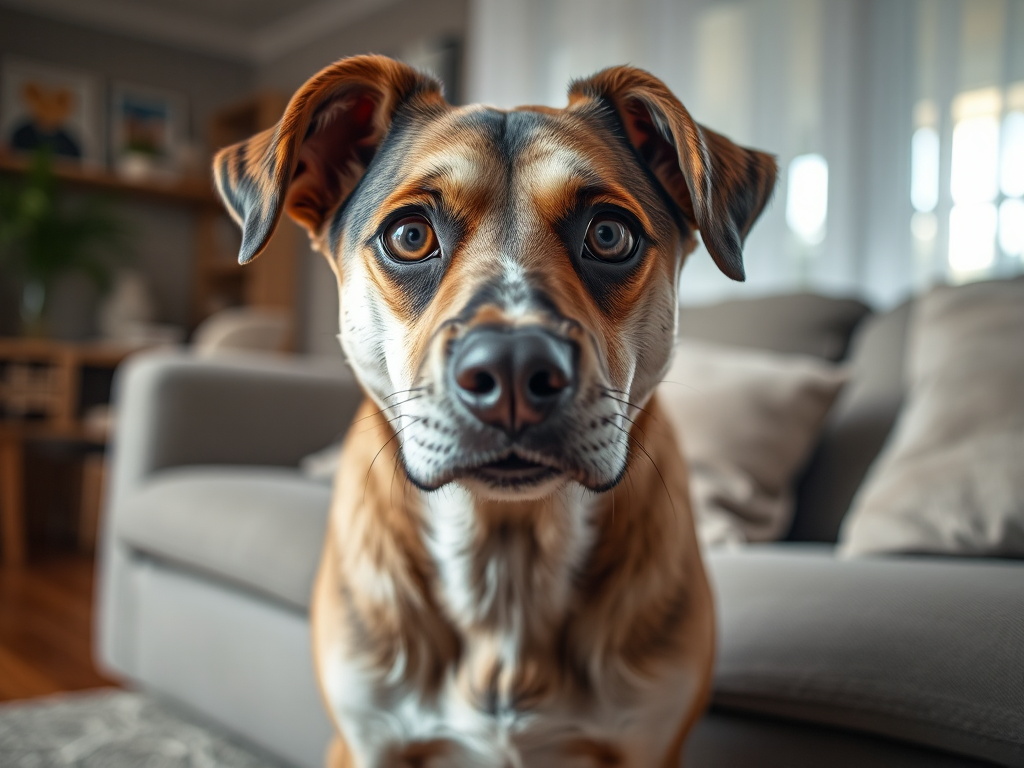
Anxiety-Related Staring: Fixed Gazes, Pacing, and Trembling
Anxiety in dogs often manifests through changes in staring behavior. An anxious dog may exhibit an intense, fixed gaze, sometimes accompanied by dilated pupils, whale eye, or staring into space. This stare can be a plea for comfort or a sign of cognitive distress.
Common accompanying symptoms include restlessness (pacing, circling), vocalization (whining, crying), physical changes (trembling, panting, drooling), and behavioral changes (refusing treats, hiding, destructiveness) (Anxiety AI Overview, 2025). Ruff House Dog Training (August 2025) notes that staring combined with these stress signals clearly indicates anxiety or worry. It’s important to differentiate between general anxiety, which may be triggered by various situations, and separation anxiety, which occurs specifically when the owner is absent or preparing to leave.
Both can involve staring, but the context differs. If your dog’s staring is paired with anxiety symptoms, it’s advisable to consult a veterinarian to rule out medical causes and discuss behavior modification strategies or, if needed, medication.
Canine Cognitive Dysfunction: Vacant Staring in Senior Dogs
Canine Cognitive Dysfunction (CCD) is a progressive neurological disorder similar to dementia in humans, affecting many senior dogs. A hallmark symptom is vacant staring into space or at walls, often with a confused expression (ToeGrips, 2025; Anxiety AI Overview). This staring is not the same as normal aging; it’s a sign of cognitive decline.
Other indicators include disorientation, altered sleep-wake cycles, house soiling, decreased interaction with family, and repetitive behaviors. ToeGrips (January 2025) emphasizes that senior dogs are particularly prone to CCD, with many showing signs as they age. While occasional confusion is normal in older dogs, frequent, prolonged vacant staring—especially when combined with other cognitive changes—should prompt a veterinary evaluation.
Early diagnosis allows for management through diet (e.g., omega-3 fatty acids, antioxidants), mental stimulation, environmental enrichment, and sometimes medication. Regular check-ups for senior dogs help monitor cognitive health and improve quality of life.
Medical Concerns: Focal Seizures and When to Call the Vet
Abnormal staring can sometimes signal underlying medical issues beyond anxiety or cognitive decline. Focal seizures, which involve abnormal electrical activity in a specific brain region, may cause staring spells that can be brief or last several minutes. During these episodes, a dog might appear unresponsive, with possible subtle movements like lip smacking, facial twitching, or pawing (askavet.com, 2025).
Other medical causes include vision problems, pain, neurological disorders, or toxin exposure. Veterinary experts advise seeking immediate attention if staring is accompanied by: sudden onset of episodes; loss of consciousness or confusion after; repetitive, uncontrollable patterns; other neurological signs (head tilt, circling, loss of balance); or any sudden behavior change (askavet.com, June 2025). These red flags could indicate a serious condition requiring prompt diagnosis and treatment.
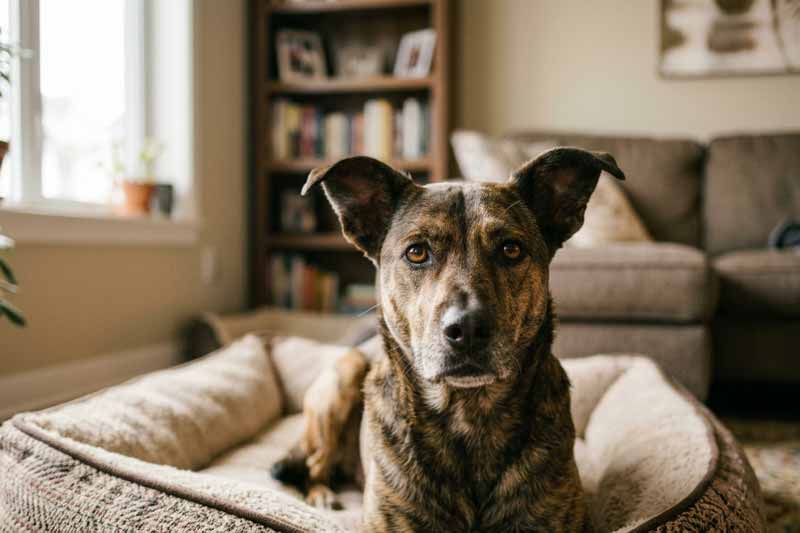
When in doubt, it’s always safer to consult your veterinarian; early intervention can be critical for many treatable disorders. For more insights into unusual behaviors that may signal health issues, read our article on why dogs eat poop.
One of the most surprising findings is that vacant staring in senior dogs can be an early sign of canine cognitive dysfunction, a condition similar to dementia. This isn’t just normal aging—it’s a medical issue that benefits from early intervention. If you notice your dog staring intensely with tension, or staring into space frequently, take note of the context and any accompanying symptoms.
Consult your veterinarian to rule out health problems and ensure your dog’s well-being. Understanding the nuances of your dog’s gaze strengthens your bond and helps you catch potential issues before they escalate. To better understand other common canine behaviors, explore why dogs follow you everywhere.