
Pembroke Welsh Corgis are instantly recognizable by their unique body structure—a long, low build that makes their body length approximately 40% greater than their height. This distinctive proportion, combined with specific size standards and weather-resistant coats, defines the breed’s appearance. This guide delivers the current, official measurements and appearance characteristics for Pembroke Welsh Corgis based on 2026 breed standards from the American Kennel Club (AKC), PetMD, and leading veterinary sources.
- Height: 10–12 inches (25–30 cm) at the shoulder for both males and females.
- Weight: Males 27–30 lbs (12–13.5 kg), females 25–28 lbs (11–13 kg); ideal weight should not exceed 30 lbs to prevent back strain.
- Body: Long and low build with body length 40% greater than height; foxy head, erect ears, often docked tail.
- Coat: Double coat, weather-resistant, sheds frequently; colors include red, sable, fawn, black and tan with white markings.
- Growth: Full height by 12 months, chest and muscle maturity continues until 2–3 years.
Pembroke Welsh Corgi Size & Weight: Breed Standards
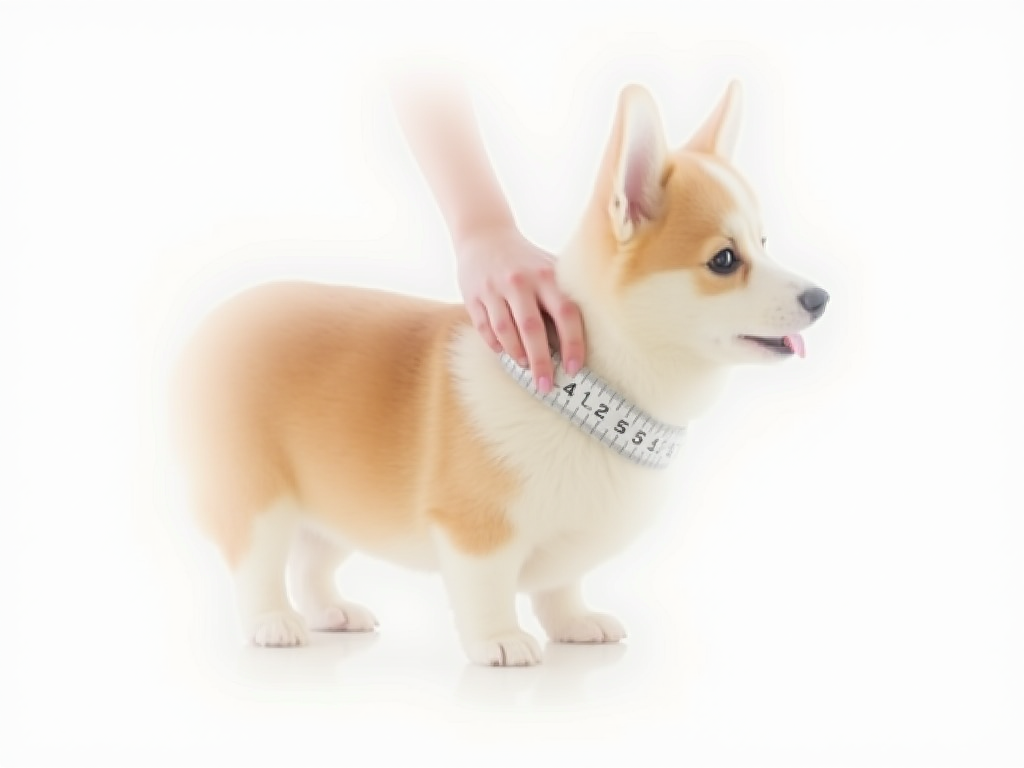
The Pembroke Welsh Corgi is classified as a small-to-medium herding breed with precise size parameters established by the AKC and maintained by breed clubs worldwide. According to the official breed standard, these dogs stand between 10 and 12 inches at the shoulder, with males typically weighing 27–30 pounds and females 25–28 pounds.
The breed’s weight must be proportional to height and bone structure, never exceeding 30 pounds for dogs or 28 pounds for bitches in show condition. For owners seeking the comprehensive care standards that accompany proper size management, the Welsh Corgi category guide offers essential health and maintenance information.
Height & Weight Breed Specifications
| Gender | Height (inches/cm) | Weight (lbs/kg) | Maturity Age |
|---|---|---|---|
| Male | 10–12 in (25–30 cm) | 27–30 lbs (12–13.5 kg) | Height: 12 months Weight: 2–3 years |
| Female | 10–12 in (25–30 cm) | 25–28 lbs (11–13 kg) | Height: 12 months Weight: 2–3 years |
These measurements represent the ideal for show condition and functional herding ability. The AKC standard specifies that weight must be in proportion to size, with a preference for medium-sized dogs of correct bone structure—neither coarse nor fine. PetMD confirms that while some individuals may weigh up to 30 pounds, exceeding this threshold compromises the breed’s structural integrity.
The Royal Kennel Club (2025) provides metric equivalents: 25–30 cm height and 10–12 kg for males, 9–11 kg for females. Consistency across major kennel clubs in 2026 reinforces these as the current global benchmarks.
Obesity Risks & Weight Management
Maintaining the ideal weight range is not merely cosmetic—it is a critical health imperative for this long-backed breed. Obesity places dangerous strain on the spine, significantly increasing the risk of Intervertebral Disc Disease (IVDD), a condition where discs herniate and potentially cause paralysis. Reddit discussions with corgi owners, including user Teh1FreeMan, emphasize that while some larger-boned corgis may healthily exceed 30 pounds, the 22–30-pound range is the safe standard.
The body condition check method provides an immediate assessment: owners should easily feel their dog’s ribs without pressing, and when viewing from above, a distinct waist should be visible behind the ribs. Overfeeding and insufficient exercise are the primary preventable causes of excess weight.
Daily portion control based on actual weight, not visual estimation, combined with regular activity, keeps corgis within their structural limits. The long back design that makes corgis agile herders also makes them vulnerable—every extra pound increases mechanical stress on the spinal column.
Pembroke Welsh Corgi Appearance: Body, Coat & Color
The Pembroke Welsh Corgi’s appearance is a direct reflection of its herding heritage. Every physical trait—from the low-slung body to the weather-resistant double coat—served a functional purpose on the farm.
Understanding these characteristics helps owners identify breed standards and recognize how appearance impacts health and care requirements. Personality traits that complement this physical blueprint are outlined in the Welsh Corgi personality expectations guide.
Body Proportions: The “Long and Low” Structure
The Pembroke Welsh Corgi’s body is the breed’s most defining characteristic. The standard describes a “long and low” build with substantial, strong bone structure. The mathematical relationship is precise: the distance from the withers (highest point of the shoulder blades) to the base of the tail measures approximately 40% greater than the distance from the withers to the ground.
This creates a body that appears disproportionately long for the dog’s height, yet remains balanced and muscular. The head is “foxy” in shape and expression—fairly wide and flat between the erect, firm, medium-sized ears. The skull tapers slightly toward the nose, and the overall impression is one of alert intelligence.
The tail, often docked very short in countries where the practice remains legal, contributes to the breed’s silhouette; some may have a natural bobtail or longer tail. This entire structure enables the free, smooth, and agile movement for which herding corgis are renowned.
The build is not merely aesthetic—it serves a functional purpose. The low center of gravity allows corgis to nip at cattle heels while avoiding kicks, and the strong bone supports their surprising power despite small stature.
Coat Type & Shedding Patterns
Pembroke Welsh Corgis possess a double coat consisting of a thick, coarse outer topcoat and a soft, dense undercoat. This weather-resistant combination protects them in various climates. The coat length ranges from short to medium, with the undercoat providing the primary insulation.
Shedding is frequent and often heavy, particularly during seasonal “blow coat” periods in spring and fall when the undercoat is replaced. PetMD notes this as a key characteristic owners must manage. Grooming requires brushing 2–3 times weekly year-round, increasing to daily during peak shedding seasons to control loose hair and prevent matting.
Regarding temperature tolerance, corgis handle cold weather effectively thanks to their double coat. They remain comfortable in temperatures below 50°F (10°C) and can enjoy outdoor activity in such conditions. However, in extreme cold or prolonged exposure, they still require adequate shelter and should not be left outside unattended.
Their coat does not make them immune to hypothermia—it simply provides better insulation than single-coated breeds. In warm weather, the coat can contribute to overheating, so exercise timing and hydration become critical.
Color Variations & White Markings
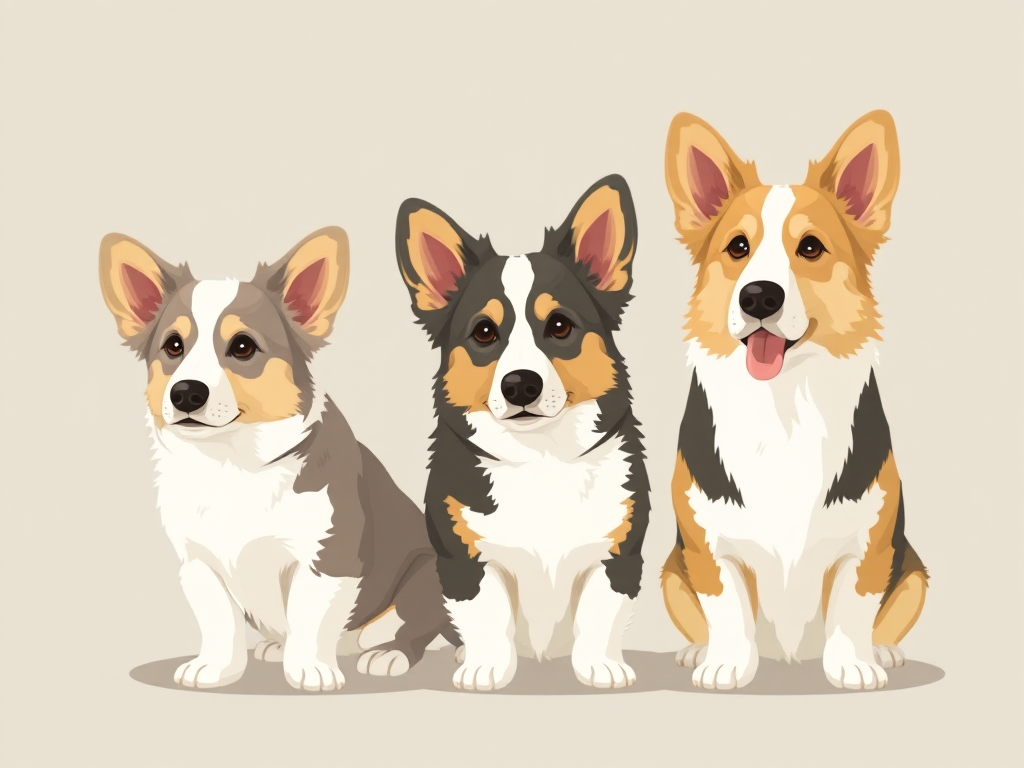
The AKC breed standard accepts a specific palette of colors for Pembroke Welsh Corgis: red, sable, fawn, and black and tan. These base colors typically appear with white markings on the legs, chest, neck, and sometimes the face (blaze). The white should be clear and not excessive.
Colors such as merle, dilute, or any non-standard variations are not recognized by major kennel clubs and may indicate mixed breeding. The color genetics do not influence temperament, working ability, or health—all colors within the standard are equally valid. Sable corgis display a tipped hair effect creating a shaded appearance, while reds are solid rich tones.
Fawns are lighter tan shades, and black and tans have the classic black body with tan points. White markings are considered part of the breed’s heritage and are explicitly allowed, though excessive white covering more than 50% of the body is undesirable in show rings. For owners, color choice does not affect care requirements—all Pembroke coats shed similarly regardless of pigment.
Back Health & Activity Restrictions
The long back structure, while functional for herding, creates a specific vulnerability: Intervertebral Disc Disease (IVDD). This condition, where spinal discs rupture or protrude, can cause pain, paralysis, and requires emergency veterinary care. The breed’s conformation directly dictates safe activity levels.
Owners must prevent corgis from jumping from furniture such as sofas, beds, or chairs—even small heights generate impact forces that stress the spinal column. Stair climbing should be limited, especially for puppies and seniors. The answer to “What not to do with a corgi?” centers on protecting the back: no jumping on/off elevated surfaces, no rough play that involves sudden twists, and no activities that involve stairs multiple times daily.
Ramps or steps should be provided for accessing beds or couches. Weight management, as detailed in the previous section, is the single most important preventive measure—every excess pound increases IVDD risk.
The breed’s appearance itself signals these restrictions; that long, low body is not built for impact or extreme flexion. Responsible ownership means accommodating this structural reality while providing appropriate exercise on flat, even surfaces.
Pembroke Welsh Corgi Growth & Maturity Timeline
Height Development: Reaching Full Size by 12 Months
Pembroke Welsh Corgis follow a predictable growth pattern where skeletal height development completes relatively early. According to Pawlicy Advisor and Hill’s Pet Nutrition (2026), most corgis achieve their full adult height by approximately 12 months of age. At this point, growth plates in the long bones close, and no further vertical increase occurs.
This timeline aligns with the breed’s classification as a small-to-medium dog—smaller breeds generally mature faster than giant breeds. During the first year, owners should monitor growth spurts and ensure proper nutrition without overfeeding, as rapid growth can stress developing joints. The height measurement is taken at the withers, and by the first birthday, the dog should stand within the 10–12 inch breed standard range.
Some variation occurs based on genetics and sex, with males often reaching the upper end of the spectrum. After 12 months, any increase in apparent “height” is actually due to muscle development or posture, not skeletal growth.
Weight & Chest Maturation: Filling Out Until 2–3 Years
While height stabilizes by one year, the Pembroke Welsh Corgi continues physical maturation in terms of weight and chest development for significantly longer. The breed standard emphasizes substance and strong bone—this muscular development fills out gradually. Pawlicy Advisor and Hill’s Pet Nutrition note that chest and muscle maturity may continue until the dog is 2 or even 3 years old.
During this period, puppies may appear lanky or narrow-chested, then gradually broaden and gain healthy muscle mass. This fill-out is normal and desirable, but it must occur within the established weight parameters. Owners should not mistake healthy muscular development for fat accumulation.
The weight range of 22–30 pounds accommodates this maturation—a 12-month-old corgi at 25 pounds may reach 28 pounds by age two with proper muscle development. The key is maintaining a steady, controlled gain rather than rapid increase. Nutrition should support lean muscle growth without excess calories that would burden the spine during this vulnerable developmental window.
Predicting Adult Size: Puppy Growth Rate Guidelines
Estimating an individual corgi’s adult size from early puppy weight provides practical guidance for owners. The established guideline from Reddit discussions and breeder experience suggests an average gain of 0.75–1 pound per week of age during the rapid growth phase. Female puppies typically trend toward the lower end of this range, while males trend higher.
For example, a 12-week-old (3-month) corgi weighing 9–12 pounds is on track for an adult weight in the standard range. Growth charts tracking weekly measurements help identify deviations early—consistently below 0.5 pounds per week may indicate smaller adult size, while over 1.2 pounds weekly could signal potential overweight tendencies. However, genetics ultimately determine final size, and not all corgis follow the exact pattern.
The puppy’s parents’ sizes provide the most reliable indicator: if both parents are within standard weight, offspring likely will be too. Bone structure observation—feeling the puppy’s ribcage and leg bones—gives a better sense of mature build than weight alone. The goal is not to force a specific number but to ensure the puppy grows at a healthy rate within the breed’s proportional expectations.
The Pembroke Welsh Corgi’s appearance, as documented in the Welsh Corgi breed facts and traits overview, is a study in purposeful design—every characteristic from the 40% longer-than-tall body to the weather-resistant double coat serves a functional herding origin. Understanding these standards helps owners appreciate the breed’s heritage while recognizing the specific health implications that come with that distinctive build.
Growth patterns follow a predictable timeline where height matures by one year but muscular development continues into the third year. By tracking weight monthly and maintaining it at or below 30 pounds, owners protect their corgi’s structural integrity while preserving the breed’s characteristic appearance. For complete care guidance covering temperament, health conditions, and daily maintenance beyond size and appearance standards, explore the full Welsh Corgi category guide.
Frequently Asked Questions About Pembroke Welsh Corgi: Size, Weight & Appearance

Do corgis get cold at night?
Yes, corgis handle cold weather like a champ! Thanks to their resistant double coats, corgis actually enjoy cold weather and can handle temperatures below 50 degrees Fahrenheit; however, they may feel slight discomfort, but not enough to keep them from wanting to run around outside.
What not to do with a corgi?
And dangerous corgis can easily hurt their backs or joints with even a small jump. Plus being up high makes them feel unstable and anxious. So they might prefer to keep all four paws on solid ground.