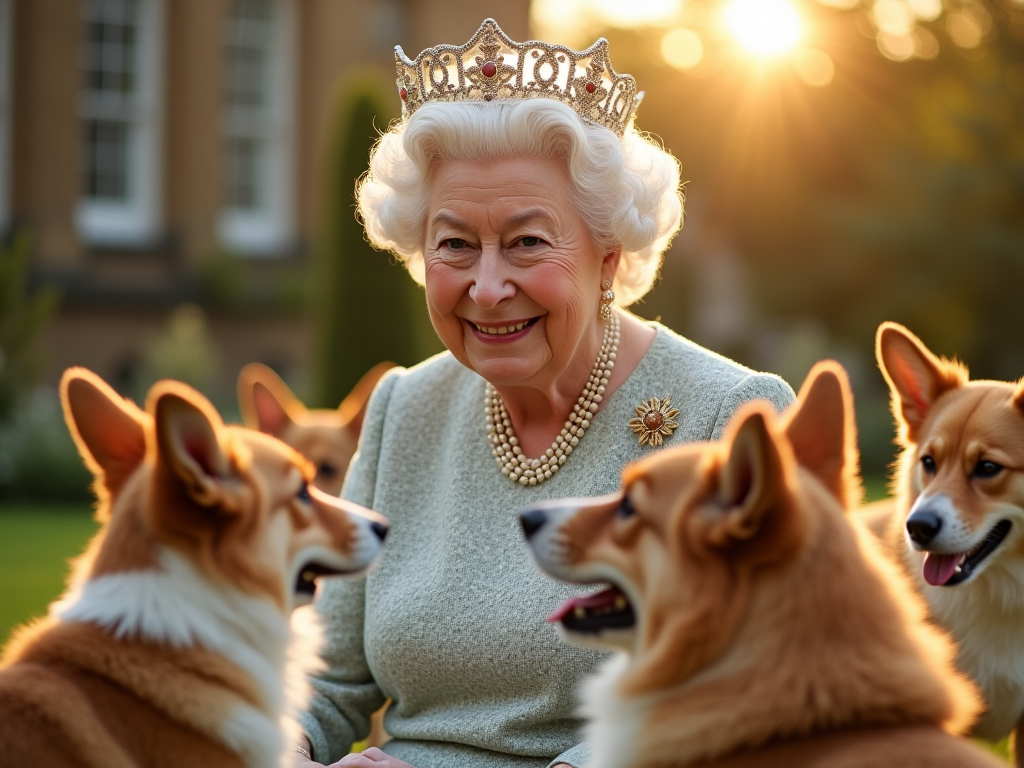

The Pembroke Welsh Corgi is a small, sturdy herding breed with a distinctive foxy face and short legs, standing just 10-12 inches at the shoulder and weighing 25-30 pounds. These intelligent dogs have a lifespan of 12-15 years and are known for being affectionate yet tenacious companions.
Originating in Wales, they were bred to herd cattle and retain a high-energy, vocal nature that makes them both excellent watchdogs and potentially noisy family pets. Their unique appearance and big personality have made them one of the most popular herding breeds worldwide.
- Pembroke Welsh Corgis are small herding dogs (10-12 inches, 25-30 lbs) with a 12-15 year lifespan, originating from Wales.
- They have lively, intelligent temperaments but can be stubborn; early socialization and consistent training are essential.
- Prone to back problems (IVDD) and obesity, requiring weight management and avoidance of stairs/jumping.
- High energy and vocal, they need daily exercise and can be noisy watchdogs; their double coat sheds moderately and needs weekly grooming.
Pembroke Welsh Corgi: Essential Breed Facts & Physical Profile
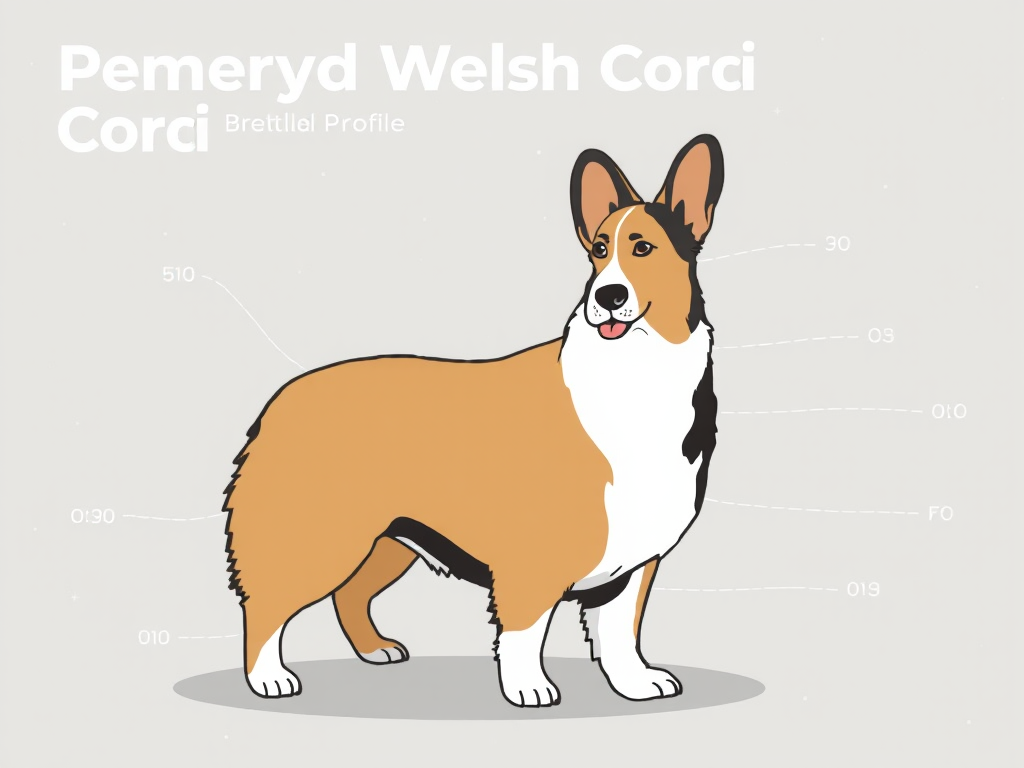
Size, Weight & Lifespan: Current Breed Standards
The Pembroke Welsh Corgi Dog, often simply called the Pembroke, is a small herding breed with specific physical standards set by the American Kennel Club, documented in the breed’s size, weight, and appearance guide. Key measurements include:
- Height: 10-12 inches at the shoulder
- Weight: Males 27-30 pounds, females 25-28 pounds
- Lifespan: 12-15 years
These dimensions make Pembrokes adaptable to apartment living, provided they receive adequate exercise. However, their short stature results from chondrodysplasia, a form of dwarfism that affects limb development. While this gives them their characteristic low-to-the-ground appearance, it also predisposes them to spinal issues like Intervertebral Disc Disease (IVDD).
Owners must be mindful of this structural limitation, avoiding activities that strain the back. The slight weight difference between males and females is typical, with males being slightly heavier and more muscular.
The 12-15 year lifespan is relatively long for a breed of their size, though proactive health management is essential to reach the upper end of that range. Regular veterinary care, a balanced diet, and maintaining a healthy weight are critical factors in maximizing their longevity.
Distinctive Appearance: Body Type, Coat Colors & Tail
The Pembroke Welsh Corgi possesses a long, low-to-the-ground body with a deep, muscular chest, often described as a “big dog in a small package.” This body type provides strength and endurance for herding. Their head is fox-like with erect ears and an intelligent, alert expression that captures attention.
Coat colors vary and include:
- Red: Solid red ranging from light strawberry to deep mahogany.
- Sable: A mix of red and black-tipped hairs, creating a shaded, wolf-like appearance.
- Fawn: Light tan or cream coloration, sometimes with a subtle golden hue.
- Black and tan: Black body with tan markings on the face, chest, and legs; typically accompanied by white markings on the chest, muzzle, and paws.
The double coat is medium-length, weather-resistant, and designed to withstand the damp Welsh climate. It consists of a harsh outer layer and a soft undercoat. Shedding is moderate year-round with heavier seasonal blows, requiring regular grooming.
The tail varies: some Pembrokes are born with a naturally bobbed tail (short), while others historically had their tails docked. Today, natural tails are common and accepted in the breed standard, though some breeders still dock.
The tail is carried low when the dog is at ease and may be raised when alert. Overall, the Corgi’s appearance is both functional and charming, reflecting their working heritage.
Energy Levels & Vocal Tendencies
Despite their small stature, Pembroke Welsh Corgis have high energy levels inherited from their herding heritage. They require at least 1 hour of daily exercise, combining brisk walks and active play sessions. Without sufficient physical and mental stimulation, they can become bored, leading to destructive behaviors like chewing or excessive barking.
Their stamina is remarkable; they can keep pace with much larger dogs on hikes and excel in dog sports like agility and herding trials.
Barking is a hallmark trait of the breed. Corgis are highly vocal and make excellent watchdogs, alerting to any unusual sounds or visitors with a loud, distinctive bark.
This vocalization stems from their working role, where they needed to control livestock from a distance. However, in a suburban setting, this can become a nuisance if not managed. Common triggers include strangers approaching, other animals in the yard, or even sudden noises.
Training commands like “quiet” and providing adequate exercise can help moderate barking. It’s important to note that Corgis are not typically nuisance barkers without cause; they are simply communicating.
To provide context, here’s how Corgis compare to other popular small breeds in energy and vocalization:
| Breed | Energy Level | Vocal Tendency | Typical Barking Triggers |
|---|---|---|---|
| Pembroke Welsh Corgi | High | High | Visitors, animals, noises |
| French Bulldog | Low | Low | Minimal, occasional alert |
| Dachshund | Moderate | High | Prey drive, strangers |
| Beagle | High | Very High | Scent tracking, isolation |
Compared to quieter small breeds such as the French Bulldog, Corgis are considerably more vocal, reflecting their active, working-dog mindset. Owners should be prepared for a talkative companion and should address excessive barking early through consistent training and environmental management.
Understanding the physical and behavioral characteristics of the Pembroke Welsh Corgi sets the stage for exploring their unique temperament, which combines affection with a strong independent streak.
Pembroke Welsh Corgi Temperament: Personality Traits & Behavior

Core Temperament: Affectionate, Intelligent, and Stubborn
The Pembroke Welsh Corgi temperament is a fascinating blend of affection, intelligence, and stubbornness. Key traits include:
- Affectionate: They form extremely strong bonds with their families, often seeking attention and companionship. They are loyal and thrive on human interaction.
- Intelligent: They rank 11th in Stanley Coren’s The Intelligence of Dogs, placing them in the “excellent working dog” category. This makes them highly trainable and quick to learn commands and tricks, often picking up new behaviors after just a few repetitions.
- Stubborn: Their independent thinking can lead to selective listening or outright refusal to obey commands, particularly if they perceive the command as unnecessary or if training is inconsistent.
This combination requires owners to be patient, use positive reinforcement, and maintain firm, consistent boundaries. The stubbornness is not malicious—it stems from their herding background where they had to make quick decisions independently. Owners who understand this can work with, rather than against, their Corgi’s nature.
Despite occasional stubborn moments, Pembrokes are incredibly affectionate and generally good with children and other pets when properly socialized, making them excellent family companions. Their tenacious nature means they are always up for an adventure and will eagerly join any family activity, whether it’s a hike, a game of fetch, or simply lounging on the couch.
Herding Instincts & Common Behavior Issues
Herding instincts deeply influence Corgi behavior. Common issues stemming from this background include:
- Heel-nipping: Corgis may nip at ankles or heels to herd people, especially children who are running around. This is a natural herding behavior that can be painful and frightening.
- Stubbornness: Their independent thinking can lead to selective listening or outright refusal to obey commands, particularly if they perceive the command as unnecessary.
- Excessive barking: Used to control livestock from a distance, they may bark at any stimulus—mail carriers, squirrels, passing cars—becoming a nuisance if not channeled properly.
- Separation anxiety: They form deep attachments to their families and can become distressed when left alone, potentially leading to destructive chewing, pacing, or house-soiling.
These behaviors are natural expressions of their herding heritage and can be managed with proper training and redirection. For heel-nipping, teach children to stand still and ignore the behavior, then reward the dog for calm conduct. Provide structured outlets like herding games, agility, or advanced obedience to channel their energy.
Consistent, positive reinforcement training from an early age is essential—establish yourself as a calm, fair leader. Socialization exposes them to various people, animals, and environments, reducing fear-based reactivity.
Mental stimulation through puzzle toys and interactive games keeps their intelligent minds occupied, preventing boredom-driven issues. Remember, punishment-based methods can worsen stubbornness; instead, use rewards and clear, consistent boundaries.
Social Preferences: Do Corgis Like to Cuddle?
The question of whether Corgis enjoy cuddling reflects their unique social nature. They are undoubtedly affectionate and love being near their humans, often following them from room to room and seeking out physical contact. However, their herding instincts give them a strong independent streak that affects physical affection.
Unlike lap breeds that crave being held, Corgis may resist being restrained or picked up for extended periods. They typically prefer to show affection on their own terms—snuggling beside you on the couch or resting their head on your lap.
To understand this better, compare Corgis to other companion breeds:
| Breed | Cuddling Preference | Independence Level | Typical Affection Style |
|---|---|---|---|
| Pembroke Welsh Corgi | Moderate | High | Nearness, not restraint |
| Cavalier King Charles Spaniel | High | Low | Lap-sitting, constant contact |
| French Bulldog | Moderate | Moderate | Snuggling, but not overly clingy |
Individual variation exists: some Corgis are more cuddly and will happily sit in a lap, while others are more aloof and prefer to be near but not on top of you. It’s important to read your dog’s body language; if they lean in and relax, they’re open to contact. If they tense up, move away, or give subtle signs of stress (like yawning or lip licking), respect their boundaries.
Forcing cuddles can cause anxiety, especially given their predisposition to back issues—handling should always be gentle and supportive.
The best approach is to let the Corgi initiate close contact, building trust over time.
Activities like gentle petting, grooming sessions, and training games provide bonding without overwhelming them. Ultimately, a Corgi’s affection is shown through loyalty, companionship, and enthusiastic participation in family life rather than constant physical closeness.
While temperament defines a Corgi’s personality, their health and care needs are equally critical for a long, happy life together.
Pembroke Welsh Corgi Health & Care: What Owners Must Know

Major Health Risks: IVDD, Hip Dysplasia & Obesity
Pembroke Welsh Corgis are predisposed to several serious health conditions that owners must proactively manage:
- Intervertebral Disc Disease (IVDD): The long, low spine makes them prone to disc herniation, causing pain, paralysis, or even death. Symptoms include back pain, wobbliness, or inability to stand.
- Hip Dysplasia: A genetic malformation of the hip joint leading to arthritis and lameness. Affects mobility and quality of life, often requiring surgery or lifelong management.
- Obesity: Excess weight puts additional stress on the spine and joints, exacerbating IVDD and hip dysplasia. Corgis have a hearty appetite and are prone to overeating if portions aren’t controlled.
Prevention is crucial for these conditions. For IVDD, avoid stairs, jumping from furniture, and obesity. Use ramps for beds and couches, and discourage jumping from an early age.
Maintain a lean body condition through measured meals and regular exercise. For hip dysplasia, choose breeders who screen parents with OFA or PennHIP evaluations; ask for health clearances before purchasing a puppy. Regular veterinary check-ups include spinal and joint assessments, often with X-rays for at-risk breeds.
Obesity management involves strict portion control, limiting treats to 10% of daily calories, and daily activity. Some veterinarians recommend joint supplements like glucosamine and chondroitin, especially for senior Corgis or those with early signs of joint issues.
Early detection of IVDD symptoms (pain, reluctance to move, “hunched” posture) requires immediate veterinary attention—surgery may be necessary to prevent permanent damage. Proactive care significantly improves quality of life and longevity.
Daily Care: Exercise, Training & Grooming Routines
Daily care for a Corgi must address their high energy and intelligence:
- Exercise: Minimum 1 hour daily, split into walks and play. They enjoy herding games, fetch, and agility. Mental stimulation via puzzle toys or training sessions is equally important to prevent boredom.
- Training: Start early with socialization and basic obedience. Use positive reinforcement (treats, praise) with consistent, firm guidance. Corgis learn quickly but test limits; patience is key. Advanced training like agility or herding satisfies their working instincts.
- Grooming: Weekly brushing with a slicker brush and undercoat rake removes loose hair and prevents mats. Seasonal shedding requires more frequent brushing (daily during peak). Bathe only as needed to preserve skin oils. Check ears weekly for redness or debris, and trim nails monthly.
These routines address the Corgi’s high energy and intelligence, preventing boredom and behavior problems. Their herding background means they need “jobs” to do—incorporate training into daily life to keep them engaged and well-behaved. Consistency in exercise, training, and grooming will result in a happy, healthy companion.
Critical “Do Nots”: Common Corgi Care Mistakes
Many owners unintentionally harm their Corgis by overlooking breed-specific needs. Here are critical mistakes to avoid:
Do not allow jumping from heights – Their chondrodysplastic spine is extremely vulnerable.
Even a jump from a couch can trigger IVDD, potentially leading to paralysis. Use dog stairs or ramps, and train them to wait for assistance when getting on furniture.
Do not overfeed – Obesity is a leading cause of preventable health issues in Corgis. Measure food precisely according to feeding guidelines, avoid table scraps, and limit treats to 10% of daily calories. Weigh your dog regularly and adjust portions to maintain a lean body condition.
Do not ignore herding instincts – Without appropriate outlets, Corgis may herd children or other pets destructively, nipping at heels. Provide structured herding activities, agility, or fetch games to channel this drive positively. Redirect nipping behavior to acceptable toys.
Do not leave alone for extended periods – Corgis form deep attachments and can develop separation anxiety, leading to destructive behavior or excessive barking. If you work long hours, consider dog daycare, a pet sitter, or a second dog for companionship. Crate training can help but should never exceed 4-6 hours.
Do not skip veterinary screenings – Regular check-ups are vital for early detection of hip dysplasia, eye disorders, and spinal issues. Insist on health clearances from breeders and maintain vaccination and parasite prevention schedules. Proactive veterinary care is an investment in your Corgi’s long-term health.
Avoiding these pitfalls ensures a longer, healthier life for your Corgi and a more harmonious household.
The most surprising aspect of the Welsh Corgi is the stark contrast between their adorable, small stature and the courageous, tireless work ethic of a large herding dog. This “big dog in a small package” mentality means they are always ready for adventure but also require committed, knowledgeable ownership to thrive. Their intelligence and energy make them exceptional companions for active families who can meet their needs.
If you’re considering adding a Corgi to your family, take a specific action: contact breeders who perform comprehensive health clearances for IVDD and hip dysplasia, or reach out to rescue organizations like the Pembroke Welsh Corgi Club of America’s rescue network. For more detailed information on Welsh Corgi care, visit our Welsh Corgi resource page. These steps ensure you get a healthy dog and support ethical breeding practices.