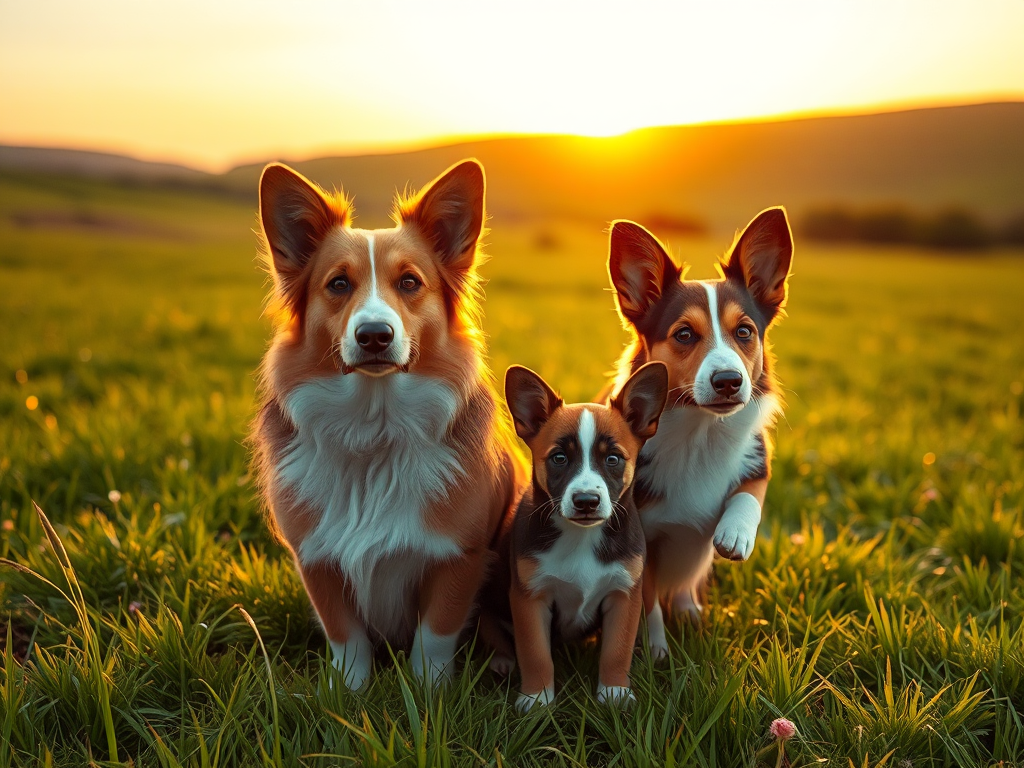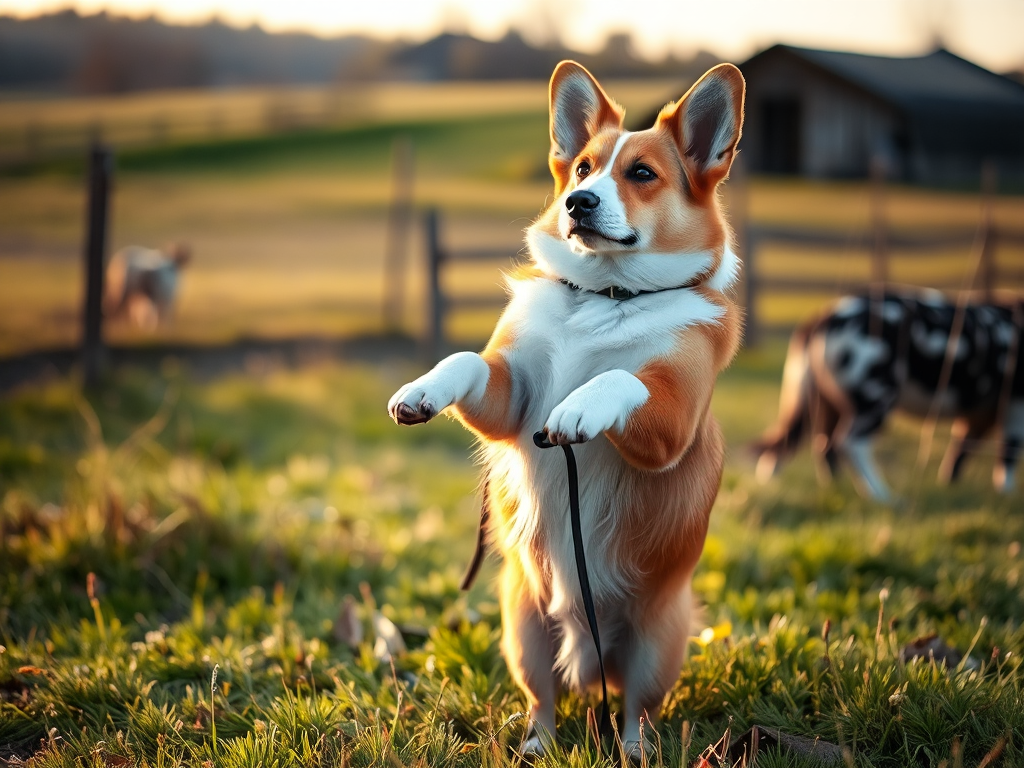
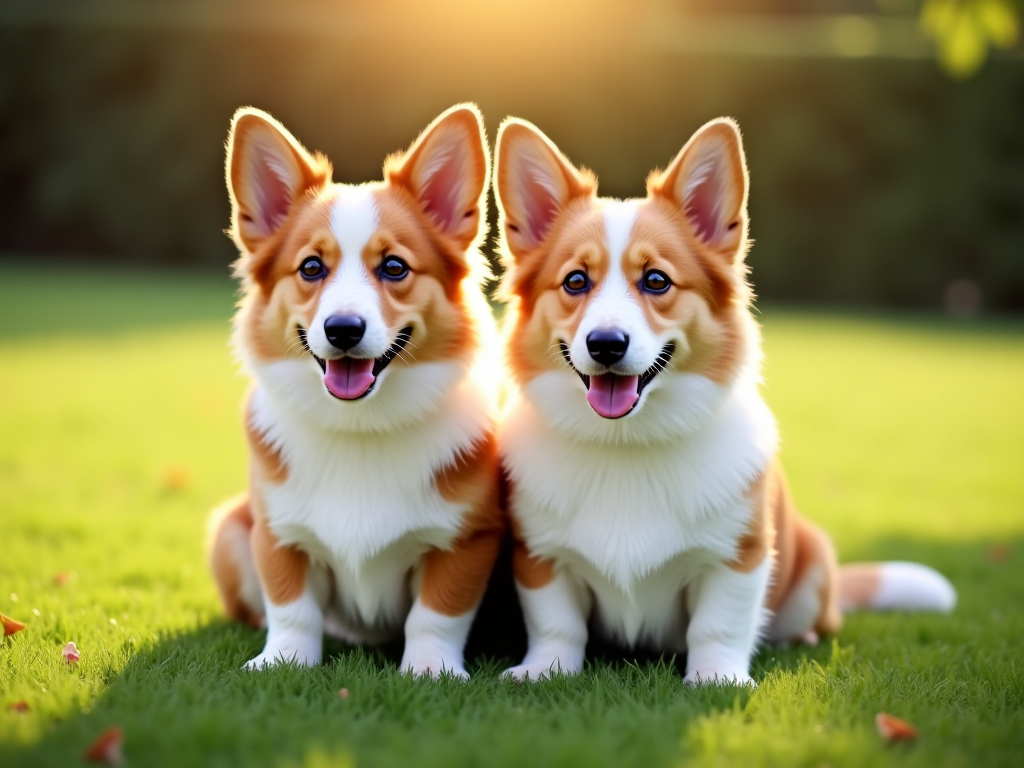
Pembroke Welsh Corgis are outgoing, high-energy companions while Cardigans are more reserved and adaptable—this key distinction should drive your choice. Both breeds share herding roots and a similar long-backed build, but their personalities, appearance, and care needs differ in ways that significantly impact lifestyle fit.
This comparison breaks down temperament, physical traits, and health considerations to help you decide which Welsh Corgi breed matches your home in 2026. For a comprehensive overview of the breed, see our guide to Welsh Corgi.
- Pembroke Welsh Corgis are outgoing, high-energy companions while Cardigans are more reserved and adaptable.
- Cardigans are larger (up to 38 lbs) with full tails; Pembrokes are smaller (up to 30 lbs) and typically tail-less.
- Both breeds need significant exercise but Pembrokes are more intense; Cardigans settle down easier.
Which Corgi Breed is Right for You: Pembroke or Cardigan?
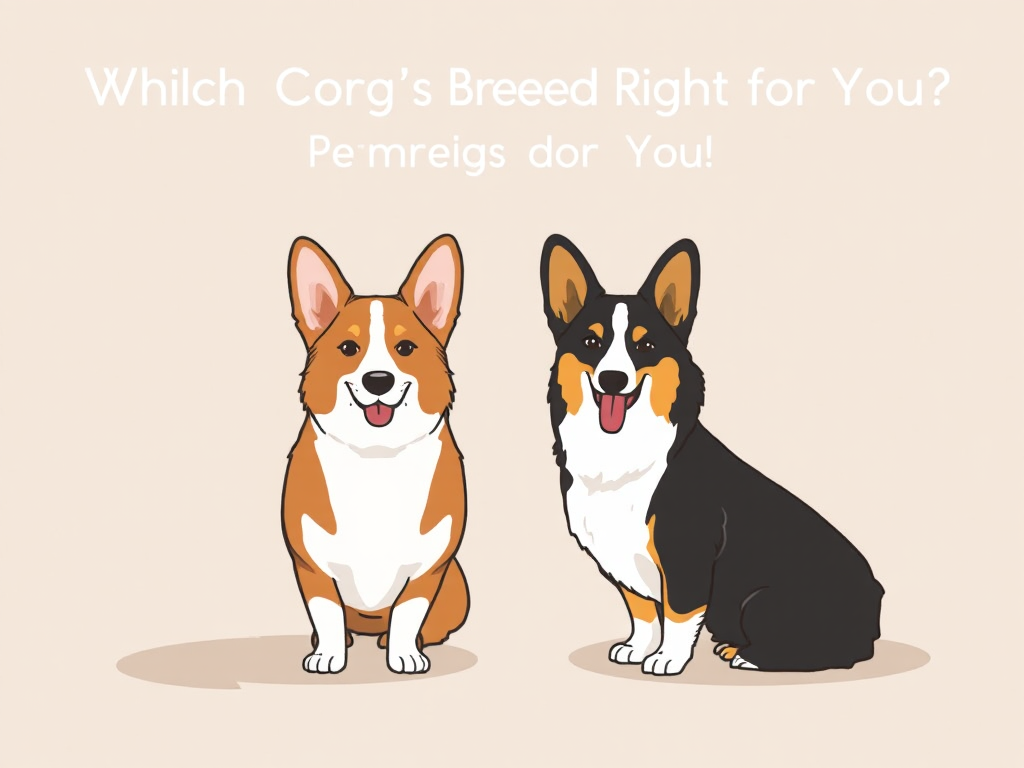
The Bottom Line: Personality Drives the Choice
The decision between a Pembroke and a Cardigan Welsh Corgi hinges primarily on temperament. The general consensus is that the choice depends on lifestyle. If you want a playful socialite, a Pembroke fits best.
For a sturdy, loyal, and slightly more reserved companion, the Cardigan excels. Pembrokes are often described as the “life of the party”—people-oriented and effusive. Cardigans are adaptable and serious yet funny, forming deep bonds but taking time to warm up to strangers.
This core personality split is the most critical factor; a mismatch can lead to frustration for both dog and owner. Consider your daily routine: do you want a constant shadow (Pembroke) or a more independent partner (Cardigan)?
Lifestyle Match: Active Companion vs Homebody
The ideal home environment differs significantly between the two breeds.
Pembroke Welsh Corgi:
- Best for active families with children who can match high energy
- Ideal for individuals wanting a constant companion that follows you everywhere
- Suitable for apartment dwellers willing to provide ample exercise (multiple walks/play sessions daily)
- Tends to be more “barky,” which may not suit noise-sensitive neighbors
Cardigan Welsh Corgi:
- Best for families seeking a loyal “homebody” dog that enjoys lounging after activity
- Equally comfortable hiking or lounging—better at settling down indoors
- More adaptable to quieter households and generally quieter
- Often better with other pets due to less intense herding drive
Both breeds require significant daily exercise due to their herding heritage, but Pembrokes often need more intense activity to burn off energy, while Cardigans are better at pacing themselves and relaxing afterward.
Popularity & Price: Which Breed is More Popular?
Pembroke Welsh Corgis are the more popular of the two breeds, which directly impacts price and availability. As Pembroke Corgis are the more popular of the two breeds, you might find they’re a bit more expensive. According to owner experiences, Pembrokes are more common and, unfortunately, very popular right now.
This popularity surge, fueled by social media and royal association, means Pembroke puppies often command higher prices and longer waitlists from breeders. Cardigans, being rarer, may be harder to find but sometimes cost less.
However, popularity shouldn’t be the primary factor—temperament match is far more important for long-term happiness. Availability also varies by region; in some areas, Cardigans may be virtually unknown.
Personality & Temperament: Socialite vs Independent Thinker

Friendliness: Which Breed is More Outgoing?
Pembroke Welsh Corgis tend to be more outgoing and social, making them one of the friendliest dog breeds. They’re cheerful, quick learners who love being the center of attention.
Cardigan Welsh Corgis are just as loyal but may be a little more reserved with strangers.
Pembroke Welsh Corgi:
- Outgoing and social with everyone
- People-oriented, often called “velcro dogs”
- Life of the party, thrives on attention
- Cheerful, playful, and eager to please
Cardigan Welsh Corgi:
- Loyal but reserved with strangers
- More independent thinking
- Adaptable and serious yet funny with family
- Excellent with children and other pets, but may take time to warm up
Both breeds are friendly and affectionate with their families, but Pembrokes typically exhibit more effusive outgoingness, while Cardigans offer loyal companionship with a more measured, discerning approach to new people.
Calmness & Reserve: Are Cardigans More Laid-Back?
Yes, Cardigans are generally calmer and more laid-back than Pembrokes. Cardigans are more laid back, calmer and more reserved towards strangers than the sociable and amiable Pembroke. Both are high-energy herding dogs, but Pembrokes tend to be more intense, while Cardigans are better at settling down.
This means a Cardigan may be more suitable for a quieter home or one with young children who need a gentler playmate. Pembrokes maintain puppy-like enthusiasm longer and can be more “barky” when excited or alert.
However, both breeds require consistent mental stimulation to prevent destructive behaviors from boredom. The Cardigan’s calmer nature doesn’t mean low energy—they still need daily exercise—but they transition to downtime more smoothly.
Physical Differences & Health: Size, Tail, and Care
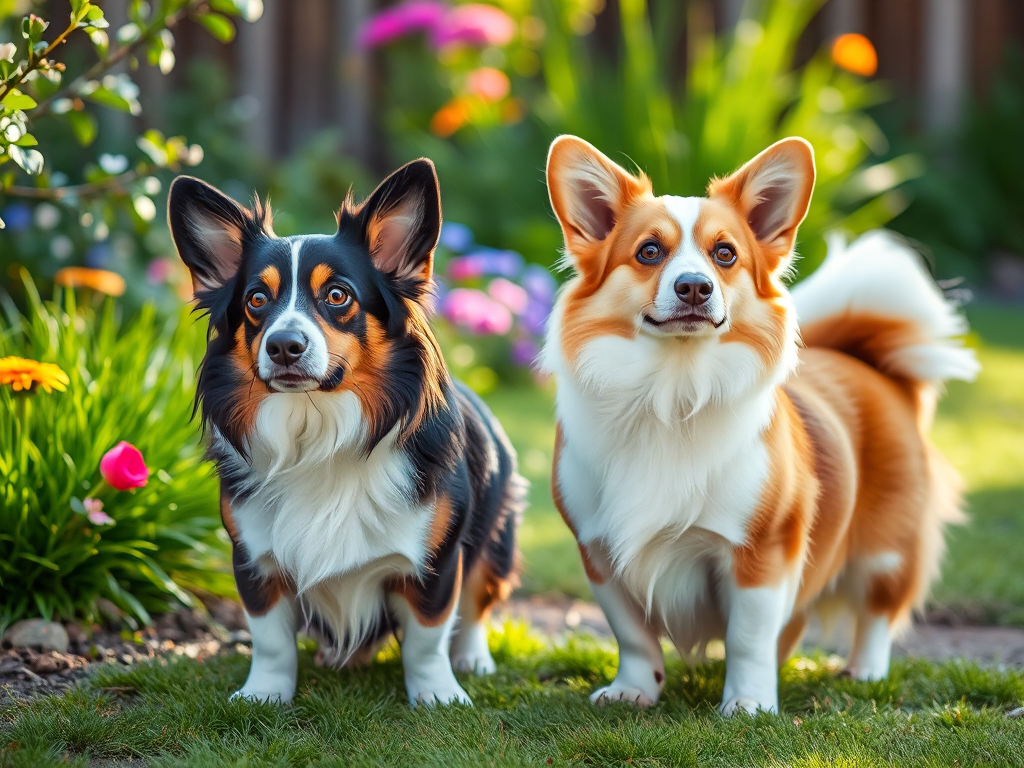
Size, Build, and Appearance Compared
The physical differences are striking once you know what to look for. The most data-rich comparison is in size and build.
| Trait | Pembroke Welsh Corgi | Cardigan Welsh Corgi |
|---|---|---|
| Weight (max) | 30 lbs (13.6 kg) | 38 lbs (17.2 kg) |
| Height | 10-12 inches (25-30 cm) | 10-12 inches (25-30 cm) |
| Body Build | Smaller boned, finer build | Larger boned, longer body |
| Ears | Smaller, erect, fox-like | Very large, erect, prominent |
| Face | Foxy, wedge-shaped head | More rounded, less pronounced |
| Tail | Typically docked (tail-less) | Full, fox-brush tail |
Despite sharing a similar height range of 10-12 inches, Cardigans are consistently heavier—up to 8 lbs more according to breed comparisons. This makes Cardigans appear more substantial and powerful. The Pembroke’s finer bone structure and foxy face are breed hallmarks, while the Cardigan’s very large ears and longer body give it a more robust, wolf-like appearance.
These differences matter for practical care: a larger Cardigan will consume more food and may be stronger on a leash. The weight distinction is one of the quickest ways to tell them apart in person.
Tail and Ears: The Most Obvious Visual Markers
The tail and ears are the fastest identifiers. Pembrokes are generally docked (tail-less), while Cardigans have full, fox-like tails. Tail docking in Pembrokes was historically a breed standard for working dogs, though it’s now controversial and illegal in many countries.
Some Pembrokes are born with naturally bobbed tails, but the breed is still often associated with a tail-less appearance. Cardigans always have a full, bushy tail that they carry confidently.
Ear size is equally telling: Cardigans have very large ears that seem oversized for their head, while Pembrokes have smaller, more proportional ears that are still erect. These features—tail presence and ear size—are the first things experienced breeders look at when distinguishing the breeds.
Health Risks: IVDD, Cardiac Issues, and Longevity
Both Welsh Corgi breeds share a common health challenge due to their long backs, but specific risks differ.
Pembroke Welsh Corgi:
- Higher susceptibility to cardiac issues, including heart murmurs and cardiomyopathy
- Prone to intervertebral disc disease (IVDD) because of long spine
- Risk of obesity exacerbates back problems
- Average lifespan: approximately 13 years
Cardigan Welsh Corgi:
- Higher risk of developing IVDD compared to Pembrokes
- Generally fewer reported cardiac issues
- Also prone to back problems; weight management is critical
- Average lifespan: 12-15 years
Both are prone to back issues due to their long bodies. Pembrokes have been known to be more susceptible to cardiac issues, while Cardigans have a higher risk of developing IVDD.
This means both require careful weight management, limited stair climbing, and supportive harnesses for older dogs. Regular veterinary check-ups focusing on spine and heart health are essential for either breed.
The most surprising contrast is that while Cardigans are more laid-back, they can make better guard dogs. Cardigans seem to be more dog aggressive and more aggressive toward strangers—they’re better guard dogs. This reserved nature translates into a more watchful, protective temperament despite their calm demeanor.
If you want a friendly socialite, choose a Pembroke. If you prefer a sturdy, loyal, and slightly more reserved companion, a Cardigan is a great choice. Your next step: visit reputable breeders to see both breeds in person.
Observe their temperament in a home setting and assess which energy level and personality match your lifestyle. For more details on Welsh Corgi personality traits, read our in-depth analysis of Welsh Corgi Personality: What to Expect. The size and coat differences are explored further in our article on Cardigan Welsh Corgi vs Pembroke: Size, Coat & Tail Differences.
Frequently Asked Questions About Pembroke Vs Cardigan Welsh Corgi: Which One Should You Get?
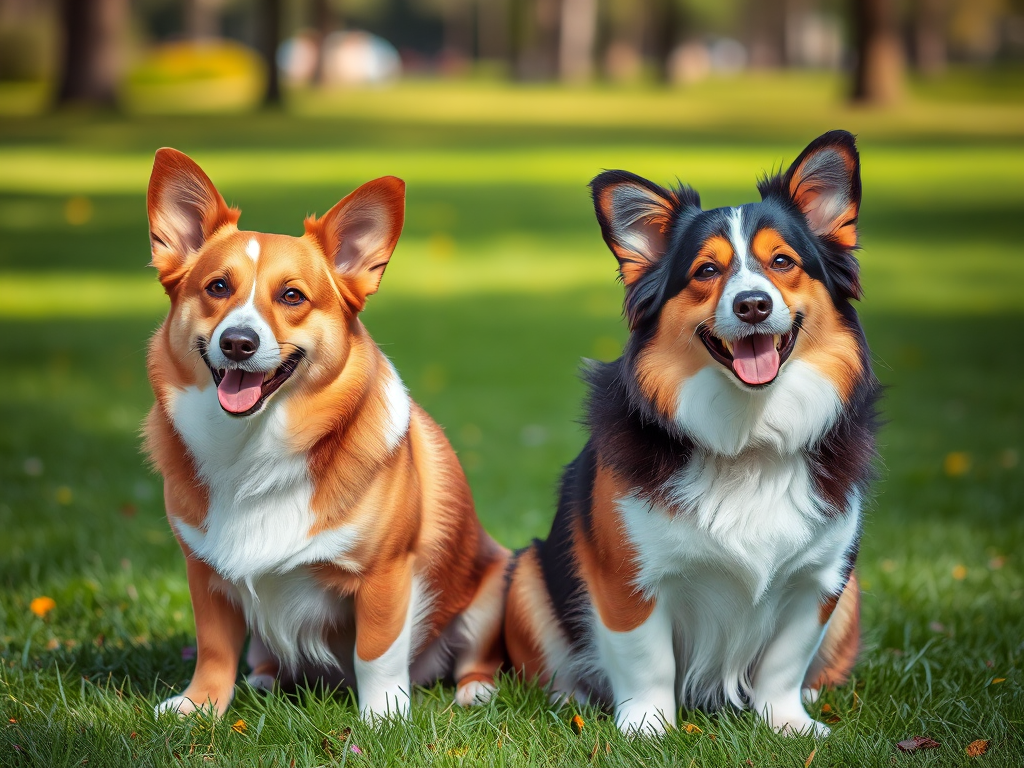
Are Cardigan corgis calmer than Pembroke?
Quite a few people are curious to know the difference in temperament between the Pembroke and the Cardigan Corgi. It is the general opinion that Cardigans are more laid back, calmer and more reserved towards strangers than the sociable and amiable Pembroke.
Which corgi is friendlier?
Pembroke Welsh Corgis tend to be more outgoing and social, making them one of the friendliest dog breeds. They're cheerful, quick learners who love being the center of attention. Cardigan Welsh Corgis are just as loyal but may be a little more reserved with strangers.
Are Cardigan corgis calmer than Pembroke?
Quite a few people are curious to know the difference in temperament between the Pembroke and the Cardigan Corgi. It is the general opinion that Cardigans are more laid back, calmer and more reserved towards strangers than the sociable and amiable Pembroke.