
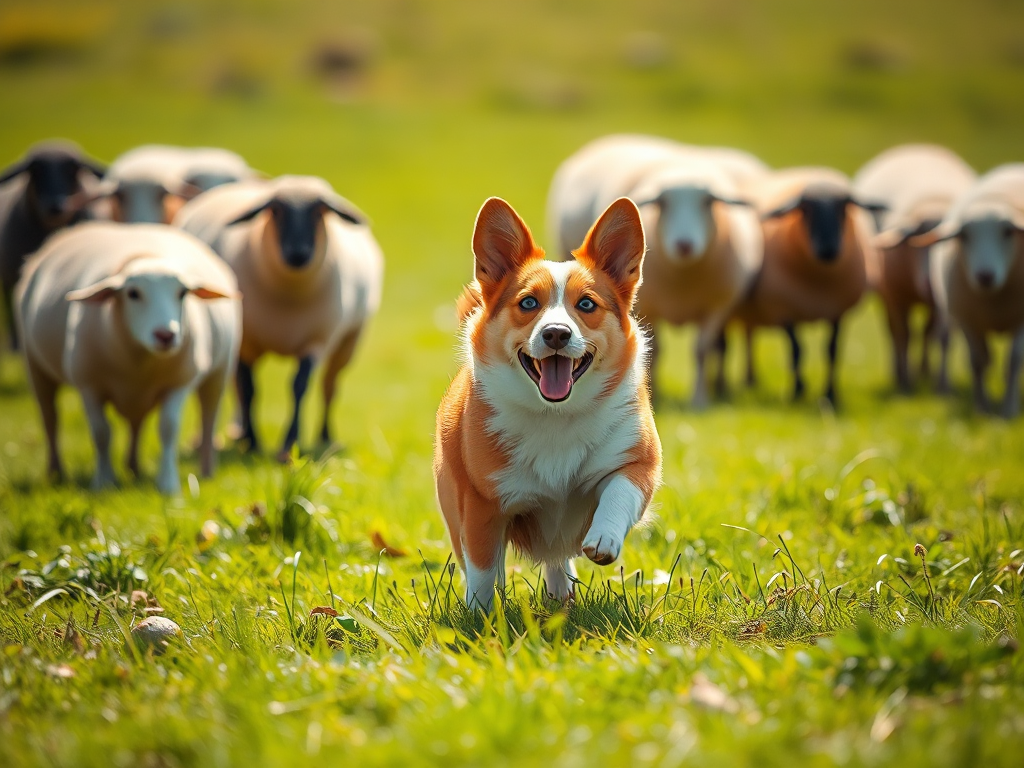
Welsh Corgis are intelligent, affectionate, and bold dogs with a “big dog” personality in a small body. This unique combination makes them both wonderful companions and challenging pets. In this comprehensive guide, you’ll learn about their core personality traits, common behavioral issues like barking and herding instincts, and practical strategies for daily care.
Discover what to realistically expect when bringing a Corgi into your home. From their origins as cattle herders to their current popularity as family dogs, Corgis bring energy, loyalty, and a touch of stubbornness to every household. Understanding their needs is key to a happy relationship.
- Corgis combine high intelligence with an independent, stubborn streak, requiring consistent training (AI Overview, Hill’s Pet).
- Their bold, confident nature makes them excellent watchdogs but prone to excessive barking (AI Overview, Reddit).
- Despite their small size, Corgis have high energy and need significant daily exercise to prevent behavioral issues (AI Overview, Bark Busters).
Core Personality Traits: What Makes a Corgi Unique?

Intelligent, Affectionate, and Bold: The Corgi’s Triple Personality
The Pembroke Welsh Corgi’s personality is defined by three core traits: intelligence, affection, and boldness. These aren’t separate qualities but a powerful combination that creates the breed’s famous “big dog” attitude. According to the American Kennel Club (AKC), the Pembroke Welsh Corgi is “among the most agreeable of all small housedogs” yet also “a strong, athletic, and lively little herder who is affectionate and companionable.” This duality captures the essence of the breed.
Intelligence is perhaps their most notable trait. Hill’s Pet Nutrition describes Corgis as having “quick intelligence and forceful will.” They learn commands quickly but often use their smarts to test boundaries.
As Pooch and Mutt noted in February 2025, these pint-sized pups have “bags of personality” and are “lively, mighty, and fearless.” Their problem-solving abilities mean they can figure out how to get what they want, whether it’s food or attention. For instance, they might learn to open cabinets or manipulate their owners into giving treats.
Affection runs deep in Corgis. They form extremely strong bonds with their families and want to be involved in every activity.
Purina emphasizes that Corgis are “affectionate, loyal, smart and alert.” This loyalty makes them devoted companions, but it also means they can suffer from separation anxiety when left alone. They often follow their owners from room to room and seek constant physical contact.
Boldness sets Corgis apart from many small breeds. They are confident, fearless, and never timid.
Canna-Pet characterizes the Corgi personality as ranging from “happy, smart, fun-loving, loyal, stubborn, and playful.” Their bold nature stems from their herding heritage—they were bred to control cattle much larger than themselves, requiring courage and decisiveness. This boldness can sometimes manifest as stubbornness when they decide they know better than you.
Together, these three traits create a dog that thinks it’s much larger than it actually is. The AI Overview correctly identifies them as “intelligent, affectionate, and bold dogs known for their high energy, alertness, and ‘big dog’ personality in a small body.” This unique blend is what makes Corgis both endearing and challenging.
For example, their intelligence allows them to learn commands quickly, but their boldness may lead them to question why they should obey. Their affection drives them to please their owners, yet their independence can cause them to ignore commands if they’re not in the mood.
For those considering a Welsh Corgi, understanding this triple personality is essential. They’re not just cute faces; they’re complex, driven dogs that need an owner who appreciates their working heritage.
The ‘Big Dog’ Attitude: Confidence in a Small Package
Unlike many small dog breeds that are often timid, yappy, or clingy, the Pembroke Welsh Corgi exudes confidence and self-assurance. While typical “purse dogs” might tremble at a loud noise or hide behind their owner, Corgis approach new situations with curiosity and boldness. This “big dog” attitude isn’t just a personality quirk—it’s a direct result of their working heritage.
Chewy’s breed guide (December 15, 2025) describes Corgis as “adventurous social butterflies best for active pet parents who are able to not only meet their activity needs.” This characterization highlights their outgoing nature and need for engagement. They aren’t content to be lap dogs; they want to be part of the action, exploring, playing, and “herding” their human family. Their adventurous spirit means they often take the lead on walks and are always ready for a new experience.
Purina notes that “The Corgi is a low-set herding dog that also makes an agreeable house dog.” This statement captures the paradox: they have the instincts and drive of a working herder but can adapt to home life. Their athleticism is remarkable for their short stature—they possess surprising speed, agility, and stamina.
This physical capability reinforces their mental confidence. They can keep up with active families and excel in dog sports like agility and obedience.
The contrast with typical small dogs is stark:
- Typical small dog: Often barks out of fear or insecurity, seeks constant reassurance, prefers being carried.
- Corgi: Barks as a watchdog alert, confident in new environments, prefers to walk on their own four paws.
Their herding background required them to control cattle many times their size. This meant they had to be bold, persistent, and unafraid to nip at the heels of much larger animals. That same fearless attitude carries over into modern life.
They’ll stand their ground with other dogs, investigate strange noises, and take charge of situations—sometimes to the point of being bossy. This herding background also explains their tendency to “stalk” or fixate on moving objects—a remnant of the eye-stalk used to control livestock.
This confidence makes them excellent watchdogs but also means they can be wary of strangers and need proper socialization. It’s not that they’re aggressive; they’re simply alert and protective of their territory. The “big dog” personality in a small body is what makes Corgis so unique—they have the heart and attitude of a much larger breed, packaged in an adorable, low-slung frame.
While both Pembroke and Cardigan Welsh Corgis share similar personalities, there are subtle differences in temperament. For a detailed comparison of which breed might suit you better, see our guide on Pembroke vs Cardigan Welsh Corgi: Which One Should You Get?.
Behavioral Challenges: Personality Issues and Management
Corgi Personality Issues: Barking, Herding, and Stubbornness
- Excessive Barking: Corgis are natural watchdogs with a strong instinct to alert their owners to anything unusual. The AI Overview states they “tend to bark at any sign of perceived danger or novelty.” A Reddit user succinctly noted, “They bark at everything”—from the mailman to a squirrel. Without proper training and mental stimulation, this watchdog instinct can become a nuisance. The AI Overview also warns they are “prone to excessive barking if not properly trained or stimulated.” Excessive barking often starts as alert barking but escalates when owners inadvertently reward it by reacting. For example, if you shout at them to be quiet, they may think you’re joining in.
- Herding Instincts: Bred to herd cattle, Corgis often exhibit nipping at heels and chasing behaviors. The AI Overview explains they “may try to herd children or other pets.” This can manifest as ankle-nipping or attempting to round up running kids. The People Also Ask (PAA) data identifies “chasing” as a common issue, noting that “early training makes a real difference when it comes to managing the strong herding instincts possessed by Corgis.” Herding nipping typically emerges around 6-12 months as their prey drive matures. It’s not aggression but an instinct to control movement.
- Stubbornness and Independence: While highly intelligent, Corgis have a strong independent streak. The AI Overview describes them as “quick learners but often have an independent streak and like to do things their own way.” Hill’s Pet adds that they have a “forceful will,” and Pawlicy calls it a “stubborn streak.” This combination means they may ignore commands if they’re not motivated or if they sense inconsistency in training. They’ll often look at you, decide if the command is worth obeying, and then either comply or walk away.
- Bossiness with Other Dogs: Corgis often have a desire to dominate other pets. The PAA specifically notes they “can be bossy with other dogs, with a desire to rule the roost.” This can lead to sibling rivalry and conflicts with other household pets, especially if not socialized early. They may try to assert control over resources like food, toys, and sleeping spots.
- Leash-Pulling and Reactivity: Their herding background can make them prone to pulling on the leash and reacting to moving stimuli (cars, bikes, running animals). The PAA lists leash-pulling as a common issue that requires consistent correction. This reactivity stems from their instinct to chase and control moving objects, making loose-leash walking a training priority.
Training Strategies: Overcoming Stubbornness and Independent Streak
Training a Corgi requires a different approach than training more eager-to-please breeds. Their intelligence and independence mean they’ll test boundaries, but the same traits make them highly trainable when methods are tailored to their nature.
Effective Training Methods:
- Consistency is non-negotiable. The AI Overview emphasizes that Corgis “need firm, consistent, and reward-based training to prevent them from taking charge.” Inconsistent rules confuse them and give them openings to manipulate. Everyone in the household must use the same commands and consequences.
- Positive reinforcement with high-value treats. As one Quora user observed, “Welsh Corgis are very smart and easy to train. They adore treats and learning new stuff!” Using small, tasty rewards (chicken, cheese, commercial training treats) motivates them to cooperate. Find what motivates your individual Corgi—some prefer toys, others food.
- Early socialization is critical. The PAA stresses that “early training makes a real difference when it comes to managing the strong herding instincts.” Exposing puppies to various people, animals, and environments between 3-14 weeks prevents fearfulness and reduces bossy tendencies. Puppy kindergarten classes are highly recommended.
- Establish calm, confident leadership. Pawlicy describes the breed as having a “stubborn streak,” which means they need a clear leader. This doesn’t require harshness—just firm, fair guidance and follow-through on commands. Corgis respect confidence and consistency; they’ll test limits to see if you’re serious.
- Incorporate mental stimulation. Hill’s Pet notes that Corgis “are active, animated dogs and do not ever want to be left out of the action.” Training sessions should be fun and engaging, not repetitive drills. Games, agility, and nose work channel their energy positively. Keep sessions short (5-10 minutes) but frequent to maintain their interest.
Ineffective or Harmful Methods:
- Harsh punishment or yelling. This damages trust and can increase stubbornness or fear-based aggression. Corgis are sensitive; they respond better to redirection and rewards. Physical punishment can lead to fear biting or increased anxiety.
- Inconsistent rules or giving in to demands. If they learn they can ignore a command sometimes, they’ll test limits more often. For example, if you sometimes let them on the couch and sometimes don’t, they’ll become confused and push boundaries.
- Neglecting exercise before training. A tired Corgi (physically and mentally) is more focused. Trying to train a pent-up Corgi often fails. Always provide adequate exercise before attempting training sessions.
- Ignoring herding instincts. Trying to eliminate nipping entirely is unrealistic; instead, redirect the behavior to appropriate outlets like fetch or herding games. Provide structured activities that satisfy their herding drive, such as fetching balls or participating in herding trials if available.
The key is to work with their intelligence, not against it. Make training a game they want to win, and they’ll become eager partners. As PetMD (April 28, 2025) states, the Pembroke Welsh Corgi is “a smart dog who enjoys human company.
They’re loyal, spunky, independent, and highly adaptable.” Their independence means they need a reason to comply—treats, praise, and play are that reason. Begin training as soon as you bring your Corgi home at 8 weeks.
Short 5-10 minute sessions multiple times daily are more effective than long sessions. Puppy kindergarten classes starting at 10-12 weeks provide crucial socialization and foundational obedience.
What Is Daily Life with a Corgi Like?

Exercise, Grooming, and Health: Daily Care Requirements
| Aspect | Daily/Weekly Needs | Important Notes |
|---|---|---|
| Exercise | 60+ minutes of activity daily (walks, play, training) | High stamina despite short legs. Needs significant exercise to prevent obesity and behavioral issues. AI Overview: “high stamina and require significant exercise, including daily walks and playtime.” Bark Busters: “happiest with moderate daily exercise.” Split into two 30-minute walks or one longer walk plus play sessions. |
| Grooming | Brush 2-3 times weekly (daily during shedding seasons) | Heavy shedders with thick double coat. AI Overview: “heavy shedders, often requiring frequent brushing.” Expect fur everywhere during spring/fall blow coats. Use deshedding tools and vacuum frequently. |
| Diet & Weight Management | Measured meals, limited treats, no free-feeding | Prone to overweight. AI Overview: “love food… can easily become overweight if their diet is not monitored.” Long backs vulnerable to injury from excess weight. Monitor body condition score; ribs should be palpable but not visible. Feed high-quality, age-appropriate food. |
| Back & Joint Health | Prevent jumping from furniture; use ramps/steps | Long spine at risk for Intervertebral Disc Disease (IVDD). PAA: “dangerous corgis can easily hurt their backs or joints with even a small jump.” Keep them at healthy weight to reduce stress. Avoid stairs if possible; use ramps. |
| Social Interaction | Daily family involvement; avoid >8 hours alone | Social, family-oriented dogs. AI Overview: “do not like being left alone for long periods.” Provide companionship, dog walker if needed, or canine companionship to prevent separation anxiety. They thrive on being part of daily activities. |
| Mental Stimulation | Daily puzzle toys, training sessions, interactive games | Prevent boredom-related barking and destructive behavior. Corgis need jobs to do. Rotate toys to maintain interest. Consider scent work, agility, or advanced obedience classes. |
Their physical characteristics directly impact daily care. For a comprehensive look at their size, weight, and appearance, refer to our Pembroke Welsh Corgi size, weight, and appearance guide.
Understanding their build helps you provide appropriate care and prevent injuries. Their long backs, in particular, require special attention to avoid strain.
What NOT to Do with a Corgi: Common Care Mistakes
- Allow Jumping on Furniture: Corgis’ long backs are vulnerable to injury. The PAA warns that “dangerous corgis can easily hurt their backs or joints with even a small jump.” Additionally, being up high makes them feel unstable and anxious. Use ramps or steps to access beds and sofas, or train them to stay off furniture entirely.
For example, allowing jumping even once can teach them it’s acceptable, leading to repeated attempts and potential spinal injury.
- Leave Them Alone for Extended Periods: As social, family-oriented dogs, Corgis suffer from separation anxiety when left alone too long. The AI Overview notes they “do not like being left alone for long periods.” This can lead to destructive behavior, excessive barking, and stress. If you work long hours, consider a dog walker, doggy daycare, or a second dog for companionship.
Corgis thrive on constant interaction.
- Neglect Daily Exercise: High-energy Corgis need significant physical activity to stay balanced. The AI Overview states they require “significant exercise to prevent behavioral issues.” Without adequate exercise, they become bored, overweight, and may develop excessive barking or destructive habits. Aim for at least 60 minutes of combined walks, play, and mental stimulation daily.
Skipping exercise for a day or two can result in pent-up energy and misbehavior.
- Ignore Barking or Herding Instincts Early: Corgis are vocal and have strong herding drives. The AI Overview warns they are “prone to excessive barking if not properly trained or stimulated.” The PAA emphasizes that “early training makes a real difference when it comes to managing the strong herding instincts.” Delaying training allows these behaviors to become entrenched and harder to correct later. Start training from day one, even with simple commands like “quiet” and “leave it.”
- Overfeed or Free-Feed: Corgis love food and will overeat if given the chance.
The AI Overview cautions they “can easily become overweight if their diet is not monitored.” Obesity exacerbates back problems and reduces lifespan. Measure meals, limit treats to <10% of daily calories, and avoid table scraps. Use a measured cup rather than free-feeding.
- Use Harsh or Inconsistent Training Methods: Their independent nature means they respond poorly to yelling or physical punishment.
Inconsistent rules create confusion and encourage stubbornness. Stick to positive reinforcement, clear boundaries, and always follow through on commands. Corgis are perceptive; they’ll notice if you let things slide sometimes.
The most surprising aspect of Corgi ownership is how a dog with such short legs can pack so much “big dog” personality into one compact body.
Their confidence, intelligence, and energy rival that of much larger breeds, making them both incredibly rewarding and demanding companions. The single most important action you can take is to start training and socialization from puppyhood. Enroll in obedience classes, establish consistent rules early, and provide daily exercise and mental challenges.
This foundation will help you channel their herding instincts and stubbornness into positive behaviors, ensuring a harmonious life with your Corgi. Consider joining a local Corgi club or online community for support and advice. With the right approach, your Corgi will be a loyal, loving, and well-behaved member of the family for years to come.