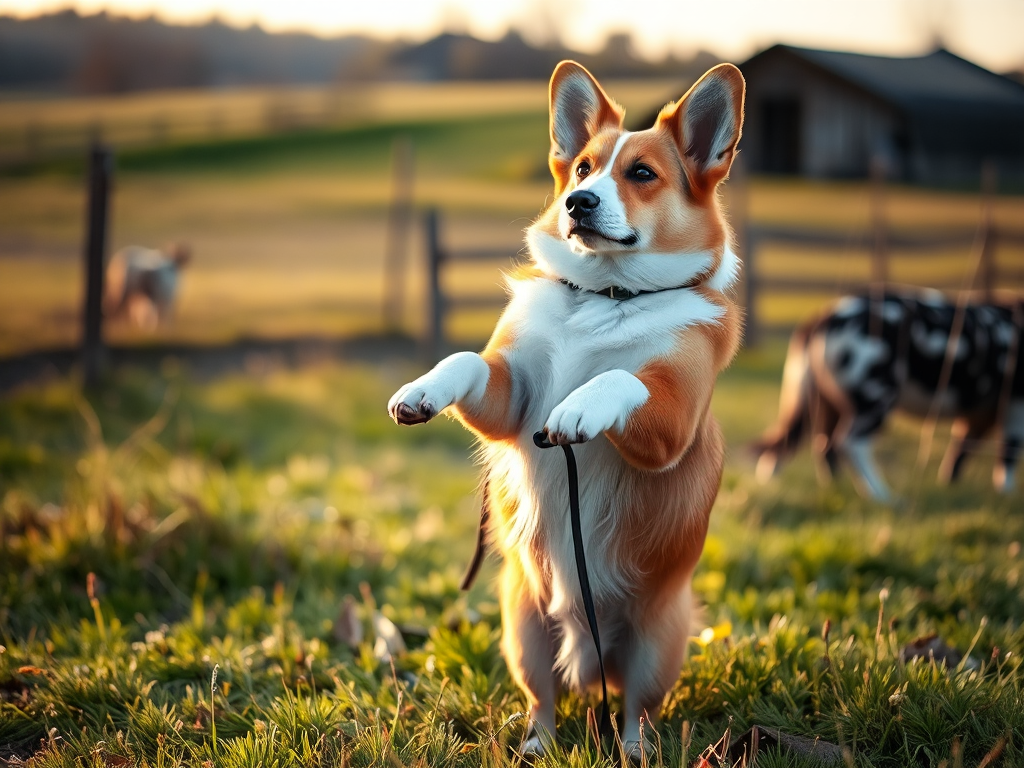
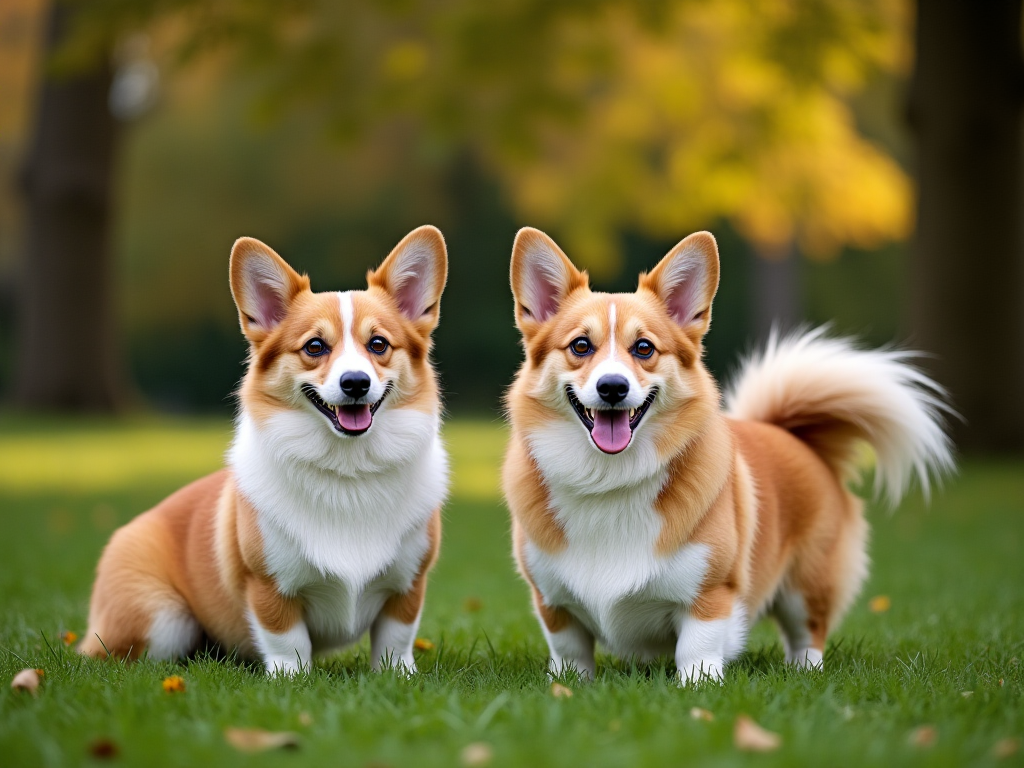
Cardigan Welsh Corgis have long, fox-like tails while Pembrokes have short, docked tails. Cardigans are larger (25-38 lbs, 10.5-12.5 inches) with more coat colors including blue merle; Pembrokes are smaller (up to 30 lbs, 10-12 inches) with limited colors (red, sable, fawn, tricolor). These two Welsh Corgi breeds differ in size, coat texture, tail structure, and temperament, making accurate identification essential for prospective owners.
- Tail type is the fastest identifier: Cardigans always have long, bushy tails; Pembrokes have short tails (docked or natural bobtail).
- Size difference: Cardigans are larger and heavier-boned (25-38 lbs, 10.5-12.5 inches) compared to Pembrokes (up to 30 lbs, 10-12 inches).
- Coat variety: Cardigans come in blue merle, brindle, and more colors; Pembrokes are limited to red, sable, fawn, and tricolor.
Size, Coat & Tail Differences: Cardigan vs Pembroke Core Comparison
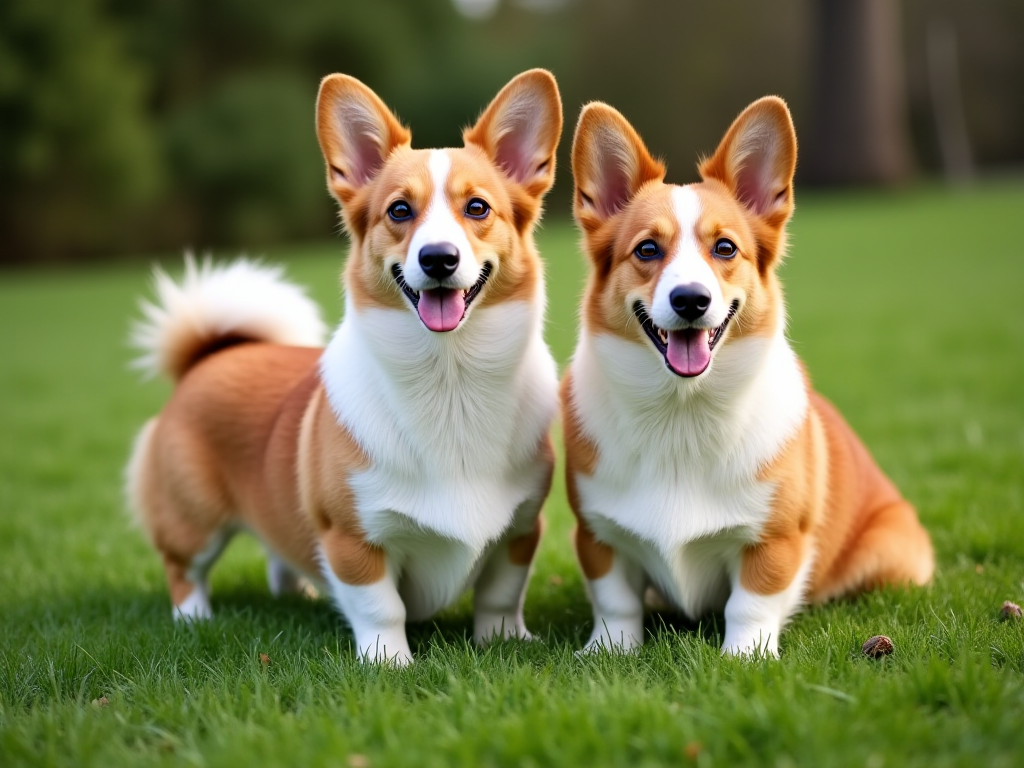
Tail Structure: Long Fox-Like vs Docked/Bobtail
The most immediate visual distinction between Cardigan and Pembroke Welsh Corgis is their tail. Cardigan Welsh Corgis always possess a long, bushy, fox-like tail that matches their overall curvier outline. This tail is an integral part of the breed standard and is never docked.
In contrast, Pembroke Welsh Corgis traditionally have their tails docked very short, creating a distinctive “bobtail” appearance close to the body. However, in 2026, tail docking is restricted or banned in many countries, leading to an increase in naturally occurring bobtails in Pembrokes.
Some Pembrokes are born with a natural bobtail mutation that results in a short tail without docking. This practice reflects changing animal welfare standards globally, with the European Union and several other nations prohibiting tail docking for cosmetic purposes since the early 2020s.
Weight and Height: 2026 Breed Standards
The American Kennel Club (AKC) breed standards for 2026 establish clear size parameters for both breeds:
| Breed | Weight Range | Height Range | Body Structure |
|---|---|---|---|
| Cardigan Welsh Corgi | 25-38 pounds | 10.5-12.5 inches | Longer body, heavier-boned, curvier outline |
| Pembroke Welsh Corgi | up to 30 pounds | 10-12 inches | More rectangular, compact build |
Cardigans consistently weigh more and stand slightly taller, with males typically at the upper end of the range. The Cardigan’s heavier bone structure contributes to its more substantial appearance, while the Pembroke’s compact rectangular frame gives it a stockier look despite being lighter. These measurements reflect the breed standards maintained by kennel clubs worldwide as of 2026.
Build and Frame: Heavier-Boned vs Compact
The structural differences extend beyond simple weight and height. Cardigan Welsh Corgis possess a longer body with a distinctly curvier outline, creating an elegant, sweeping line from chest to hindquarters. Their heavier bone structure provides a solid, substantial feel when handled.
This build reflects their historical role as cattle herders in the Cardigan region of Wales, where they needed endurance and strength. Pembroke Welsh Corgis, by contrast, have a more rectangular, compact body shape that appears stockier and more muscular relative to their size.
Their build emphasizes power and agility, suitable for the faster-paced herding work they performed with Vikings in Pembrokeshire. The Cardigan’s longer back and curvier silhouette create a different visual impression—more flowing and graceful—while the Pembroke’s compact frame appears more robust and energetic.
Coat Texture and Color Palette
Both breeds have double coats, but texture differs significantly:
Coat Texture:
- Cardigan: Slightly harsher, thick double coat with a weather-resistant outer layer
- Pembroke: Straight, dense double coat with a softer appearance
Color Variations:
Cardigan Welsh Corgi colors:
- Blue merle (marbled gray-blue pattern with black speckles) – this is unique to Cardigans
- Brindle (dark stripes over a lighter base)
- Solid black
- Red/sable (ranging from deep red to tan)
- All typically include white markings on chest, paws, and face
Pembroke Welsh Corgi colors:
- Red (ranging from light golden to deep red)
- Sable (black-tipped hairs over a lighter base)
- Fawn (light tan)
- Tricolor (black, tan, and white)
The Cardigan’s broader color spectrum, particularly the striking blue merle pattern, provides more visual variety. Blue merle Cardigans are especially sought after and often command premium prices from breeders in 2026.
How to Tell Cardigan and Pembroke Corgis Apart: Identification Guide
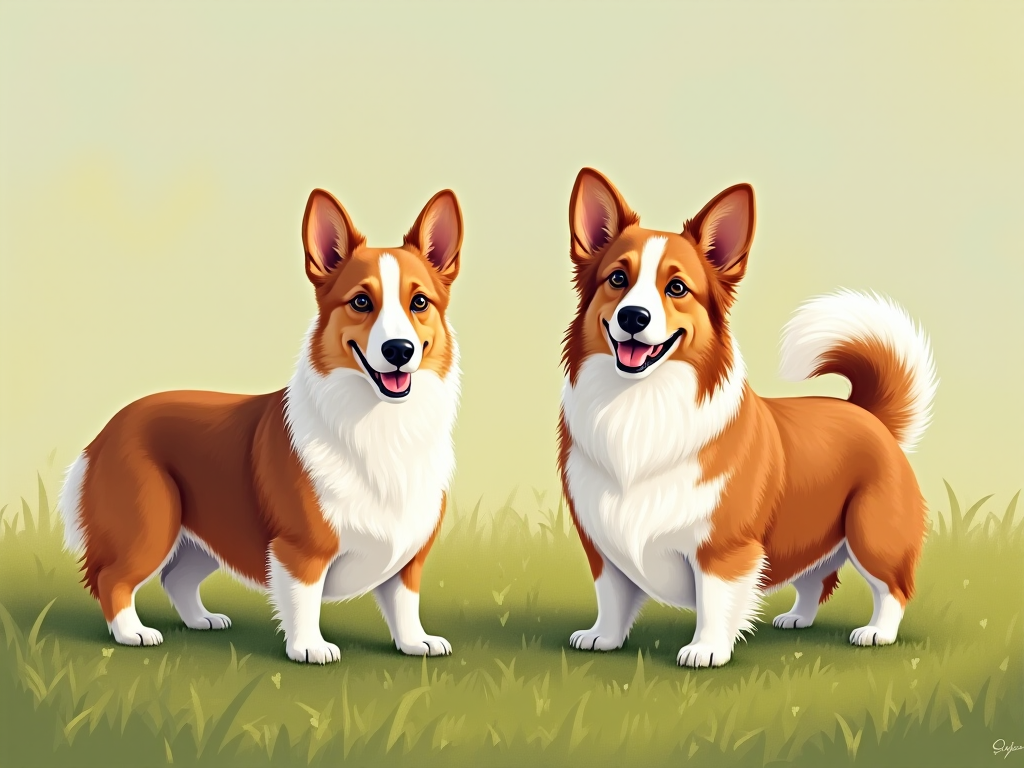
The Tail Check: Your First and Most Reliable Clue
When identifying a Welsh Corgi, start with the tail—it’s the fastest and most reliable differentiator:
- Observe the tail: A long, bushy, fox-like tail indicates a Cardigan Welsh Corgi. The tail is full and expressive, carried low when relaxed but higher when alert.
- Note tail length: A very short tail (less than 2 inches) typically indicates a Pembroke Welsh Corgi. This may be a natural bobtail or a docked tail. In 2026, natural bobtails are increasingly common due to docking restrictions.
- If tail is ambiguous (e.g., medium length), proceed to ear shape and body proportions for confirmation.
The tail difference is so pronounced that it remains the primary identification method used by breeders, veterinarians, and kennel clubs worldwide. Even at a distance, the Cardigan’s flowing tail versus the Pembroke’s nubby tail creates an immediate visual distinction.
Ear Shape: Rounded Tips vs Pointed
Ear shape provides the secondary identification clue after the tail. Cardigan Welsh Corgis have ears that are rounded at the tips and set slightly broader on the skull, giving them a softer, more open expression. The ears are medium-sized, slightly larger, and positioned to follow the curve of the head.
Pembroke Welsh Corgis have ears that are distinctly pointed, more upright, and set closer together on the top of the head. This creates a sharper, more alert expression.
Both ear types are erect, but the Pembroke’s pointed ears stand more perpendicular to the head, while the Cardigan’s rounded ears have a gentler angle. Ear shape is consistent across individual dogs of each breed and remains stable throughout adulthood, making it a reliable identifier when combined with tail assessment.
Body Proportions: Size and Bone Structure
| Feature | Cardigan Welsh Corgi | Pembroke Welsh Corgi |
|---|---|---|
| Body Length | Longer, with a curvier topline | More rectangular, compact |
| Bone Thickness | Heavier, more substantial | Lighter, finer-boned |
| Overall Frame | Curvier outline, elegant sweep | Stocky, muscular, powerful |
| Appearance | More substantial, graceful | More compact, energetic |
Cardigans appear more substantial due to their heavier bone structure and longer body, creating a flowing, elegant silhouette. Pembrokes, despite being lighter, appear more stocky and muscular, giving an impression of concentrated power. The Cardigan’s curvier back line contrasts with the Pembroke’s straighter topline, affecting how each breed moves and carries itself.
Coat Color Patterns: Quick Visual Reference
For quick visual identification, reference these common color patterns:
Cardigan Welsh Corgi:
- Blue merle (marbled gray-blue with black speckles) – exclusive to Cardigans
- Brindle (dark stripes over lighter base)
- Black with white markings
- Red/sable with white markings
Pembroke Welsh Corgi:
- Red (golden to deep red)
- Sable (black-tipped hairs)
- Fawn (light tan)
- Tricolor (black, tan, and white)
The presence of blue merle immediately identifies a Cardigan. Without blue merle, count other colors: Cardigans commonly have brindle patterns not seen in Pembrokes.
Both breeds feature red/sable variations, but the Pembroke’s tricolor (black/tan/white) is distinct from Cardigan’s black-with-white pattern. White markings on chest, paws, and face appear in both breeds but follow different distribution patterns per breed standards.
Pembroke vs Cardigan: Price and Temperament in 2026
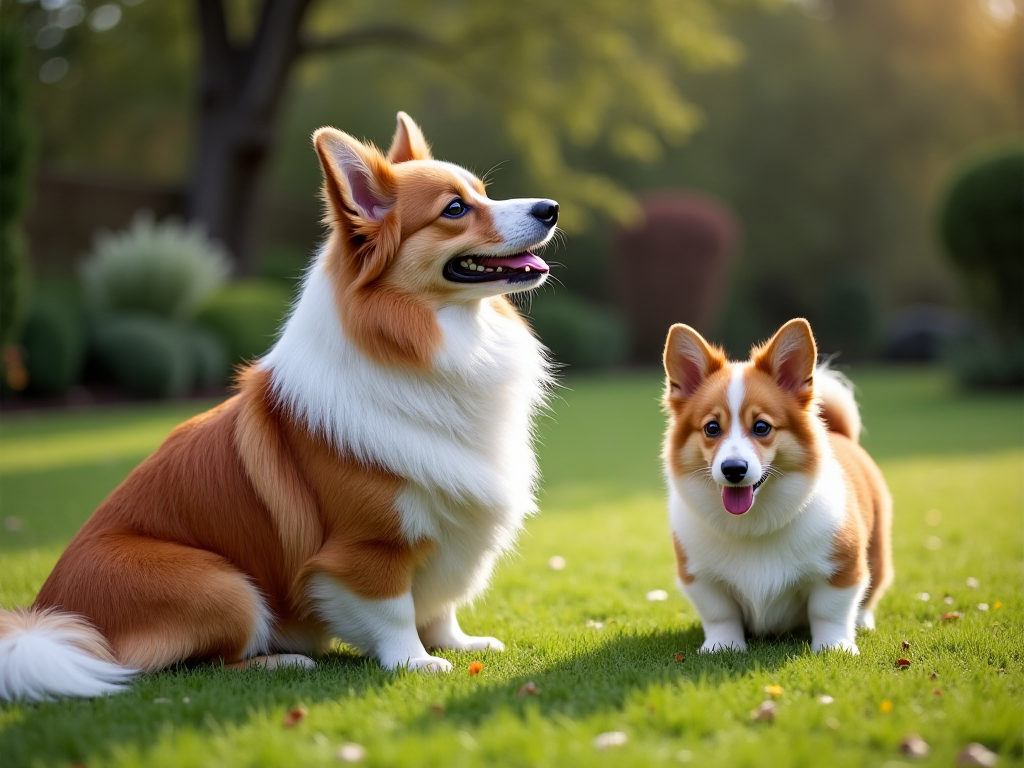
Average Puppy Prices: What to Expect in 2026
Current market prices for both breeds remain within a similar range, though Pembroke Welsh Corgis may command slightly higher premiums due to their popularity:
| Breed | Typical Price Range (2026) | Premium Factors |
|---|---|---|
| Cardigan Welsh Corgi | $1,000 – $3,000 | Blue merle coat, champion bloodlines, rare colors |
| Pembroke Welsh Corgi | $1,200 – $3,500 | Popularity, show quality, rare coat variations |
Both breeds typically cost between $1,000 and $3,000 from reputable breeders who health-test parents and provide early socialization. Pembrokes often sit at the higher end of this range due to greater demand, especially in urban areas. Factors significantly affecting price include:
- Breeder reputation: Established breeders with health guarantees charge 30-50% more
- Lineage: Puppies from champion show lines or working heritage cost more
- Location: Prices in major metropolitan areas (New York, Los Angeles, London) exceed rural areas by 20-40%
- Coat color: Blue merle Cardigans and rare Pembroke colors like “fluffy” (long-haired) command premiums of $500-$1,000
Adoption through rescue organizations offers a lower-cost alternative, typically $200-$500, though these dogs are often adults rather than puppies. For a comprehensive Welsh Corgi breed overview, including health considerations and lifespan, prospective owners should consult dedicated resources.
Temperament: Outgoing Pembrokes vs Reserved Cardigans
Personality differences between the breeds are consistent and significant. Pembroke Welsh Corgis are generally more outgoing, energetic, and people-oriented.
They thrive on human interaction and often seek constant attention, making them excellent family pets for active households. Pembrokes tend to be more vocal, expressive, and eager to please, which facilitates training but can lead to excessive barking if not managed.
Cardigan Welsh Corgis exhibit a more reserved, cautious temperament. They assess new situations carefully before engaging, a trait inherited from their older herding lineage. Cardigans are still affectionate and loyal but may take longer to warm up to strangers.
As one breeder noted in 2025, “A Cardigan will generally assess a situation before he decides to take part.” This doesn’t mean they’re unfriendly—they’re simply more discerning. Cardigans tend to be quieter, less demanding of constant attention, and may suit owners who prefer a more independent companion. Both breeds are intelligent and respond well to positive reinforcement training, but Pembrokes typically learn faster due to their eagerness to please.
Energy Levels and Exercise Needs
While both breeds are herding dogs with inherent activity needs, their energy levels differ:
- Pembroke Welsh Corgi: Higher energy, more active; requires 45-60 minutes of daily exercise; enjoys interactive play, agility, and herding activities; may become destructive if under-exercised; thrives with multiple daily walks plus mental stimulation
- Cardigan Welsh Corgi: Moderate energy, more laid-back; requires 30-45 minutes of daily exercise; content with structured walks and puzzle toys; less prone to hyperactivity; still needs consistent activity to prevent obesity
Both breeds are prone to weight gain without adequate exercise, a critical consideration given their long backs and potential for intervertebral disc disease (IVDD). Daily exercise should include walks, play sessions, and mental enrichment. Their herding instincts mean they excel at dog sports like agility, obedience, and herding trials, which provide both physical and mental outlets.
The most surprising historical fact is that Cardigan Welsh Corgis are the older breed, originating with Celtic tribes in Wales around 1200 BC, while Pembrokes arrived later with Viking settlers around the 9th century AD. This explains their temperament differences: Cardigans developed as all-around farm dogs requiring independent judgment, while Pembrokes were specialized cattle herders with closer human partnership. If you want a more outgoing, energetic companion that thrives on constant interaction, choose a Pembroke Welsh Corgi.
If you prefer a reserved, laid-back dog with a broader range of coat color options and a more independent nature, choose a Cardigan Welsh Corgi. Both breeds offer loyal companionship and require commitment to proper exercise, training, and health care throughout their 12-15 year lifespans.
If you prefer a reserved, laid-back dog with a broader range of coat color options and a more independent nature, choose a Cardigan Welsh Corgi. Both breeds offer loyal companionship and require commitment to proper exercise, training, and health care throughout their 12-15 year lifespans.
Frequently Asked Questions About Cardigan Welsh Corgi Vs Pembroke: Size, Coat & Tail Differences

How to tell the difference between a Pembroke and a Cardigan corgi?
Key differences: Cardigan Welsh Corgis have a long, full tail, while Pembrokes have a short tail. Cardigans are longer-bodied with a curvier topline, heavier-boned, and have a curvier, elegant outline. Pembrokes are more rectangular and compact with a stockier, muscular build.
Which corgi is worth more, Pembroke or Cardigan?
Both breeds are similarly priced, typically ranging from $1,000 to $3,000, depending on breeder reputation and lineage.
Which corgi is calmer?
Cardigan Welsh Corgis tend to be more laid back and quieter. They are more reserved in new situations but warm up quickly, whereas Pembrokes are generally more energetic and compact.