

Choosing a reputable Welsh Corgi breeder in 2026 requires verifying OFA and DM health clearances, as these are the non-negotiable markers of ethical breeding. Welsh Corgis are genetically predisposed to hereditary conditions such as hip dysplasia, progressive retinal atrophy, and degenerative myelopathy. A breeder who prioritizes comprehensive health testing significantly reduces the risk of your puppy developing these painful, costly ailments.
Ethical breeders also focus on temperament and conformation, ensuring a well-adjusted companion that meets breed standards. With the proliferation of online puppy sales, distinguishing responsible breeders from puppy mills is critical. For comprehensive information on Welsh Corgis, visit our Welsh Corgi category.
- Reputable breeders prioritize health testing: OFA screenings for hip dysplasia and eye problems, plus DM genetic testing are non-negotiable.
- In-person facility visits are mandatory; breeders who refuse to show where puppies are raised are a major red flag.
- Ethical breeders limit litters to fewer than 3 annually, maintain waitlists, and offer lifetime take-back policies in contracts.
What Health Testing & Genetic Clearances Are Essential for Welsh Corgi Breeders?
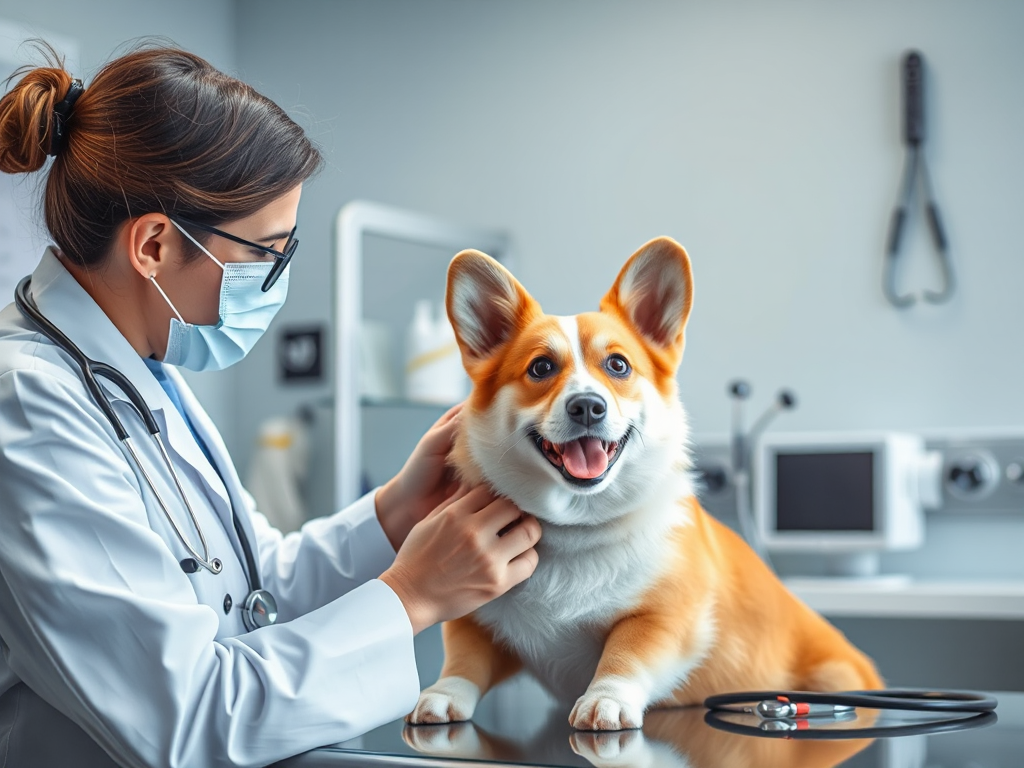
OFA Hip and Eye Screenings: Mandatory for Reputable Breeders
- OFA (Orthopedic Foundation for Animals) screenings for hip dysplasia and eye problems are the baseline health clearances every reputable Welsh Corgi breeder must complete. Hip dysplasia is a common orthopedic condition that can cause chronic pain and arthritis; eye screenings detect progressive retinal atrophy and other hereditary eye diseases that may lead to blindness.
- Breeders should provide official OFA documentation for both parents, including certificate numbers that can be verified in the OFA online database. This proof ensures the dogs passed the screenings at appropriate ages (hips at 24 months, eyes annually).
- These tests are critical because they prevent the transmission of painful hereditary conditions to puppies. By breeding only dogs with clear or excellent ratings, breeders improve the overall health of the breed.
- Ask breeders directly: “What health tests have you done on the parents?” and request to see the OFA results. Any breeder who hesitates or cannot produce documentation is a red flag.
- The Pembroke Welsh Corgi Club of America (PWCCA) requires OFA hip and eye clearances for its members, making these standards non-negotiable for ethical breeding.
Degenerative Myelopathy (DM) Genetic Testing: Why It’s Critical
Degenerative Myelopathy (DM) is a progressive neurological disease that affects the spinal cord, leading to weakness, paralysis, and eventually death. It is particularly prevalent in Welsh Corgis due to their genetic makeup. DM is inherited as an autosomal recessive trait, meaning a dog must inherit two copies of the mutated gene to be affected, while carriers (one copy) are asymptomatic but can pass the gene to offspring.
Genetic testing is essential to identify normal, carrier, and at-risk dogs. Responsible breeders avoid breeding two carriers together to prevent producing affected puppies. According to breeder discussions on Reddit, DM testing is a top priority for Corgi breeders, yet some still neglect it.
The test is available from laboratories like UC Davis and should be performed on all breeding dogs. Skipping DM testing increases the risk of producing puppies that will develop this devastating condition later in life, often around 8-14 years of age. Ethical breeders include DM results alongside OFA clearances as part of their health portfolio.
Health Guarantees and Contract Requirements
- A comprehensive health guarantee should cover hereditary genetic conditions such as DM, hip dysplasia, and eye disorders for a specified period (typically 1-2 years). It must state that the breeder will cover veterinary costs or replace the puppy if a covered condition is diagnosed.
-
The guarantee must be part of a written contract signed by both parties.
This contract outlines responsibilities including vaccination schedules, diet recommendations, and spay/neuter agreements. Verbal promises are not enforceable.
-
Ethical breeders include a lifetime take-back clause, committing to reclaim the dog at any age if the owner can no longer care for it.
This prevents dogs from entering shelters and demonstrates the breeder’s dedication to their dogs’ welfare.
- The contract should also require the buyer to notify the breeder of any health issues and to return the dog if circumstances change. Reputable breeders stand behind their dogs for life.
- Always review the contract carefully before paying a deposit; a breeder who refuses to provide a written contract is a major red flag.
Breeder Transparency: Facility Visits, Parent Meetings, and Socialization

In-Person Facility Visits: What to Assess
During an in-person visit, assess the cleanliness and overall environment. The facility should be free of excessive odors, well-ventilated, and kennels should be tidy with fresh water and appropriate bedding. Observe the condition of the puppies and adult dogs: they should appear healthy, with bright eyes, clean coats, and normal energy levels.
No signs of illness such as coughing, nasal discharge, or skin infections should be present. Evaluate the breeder’s knowledge by asking about breed characteristics, health testing, and puppy care; they should answer confidently and provide documentation. The environment should provide space for dogs to move, enrichment toys, and outdoor access.
Puppies should be raised in a home setting, not isolated in outdoor runs. Note the number of dogs on site; an excessive number may indicate a puppy mill.
Most importantly, a reputable breeder will welcome your visit and show you all areas where dogs are kept. Refusing a visit or making excuses is a major red flag, as one of the most crucial steps in finding a reputable breeder is visiting their facility in person (fmcorgi.com, 2024).
Meeting the Mother and Observing Puppy Behavior
- Meeting the mother (dam) allows you to assess her temperament, which heavily influences puppy behavior. She should be friendly, confident, and comfortable with human interaction. Aggression or fearfulness in the dam is a warning sign.
- Confirm health clearances: ask to see the dam’s OFA and DM test results. The breeder should readily provide documentation linking to the specific dog.
-
Observe maternal behavior: the dam should be caring and protective of her puppies, but not overly anxious or neglectful.
Puppies should be clean and well-fed.
-
Puppy interactions: watch how puppies play with each other. Healthy litters show a range of personalities; some are bold, others more reserved.
Look for appropriate social skills like gentle mouthing and body language.
- Socialization indicators: puppies should be exposed to household noises (vacuum, TV), different surfaces, and various people. They should not be overly fearful of new stimuli.
- Health checks: inspect puppies for clear eyes, clean ears, firm stools, and good body condition. Any signs of diarrhea, coughing, or eye discharge are red flags.
- Asking “Can I meet the mother of the litter?” is a standard question reputable breeders expect and welcome.
Breeding Frequency, Waitlists, and Puppy Socialization
| Aspect | Reputable Breeders | Unethical Breeders |
|---|---|---|
| Litters per year | Fewer than 3 annually | Multiple litters constantly available |
| Puppy availability | Maintains waitlist; puppies not immediately available | Immediate availability; puppies ready to ship |
| Socialization practices | Puppies raised in home, exposed to household noises, people, other animals; daily handling | Minimal socialization; puppies often raised in isolated kennels or outdoor runs |
| Breeding focus | Prioritizes health, temperament, and breed standards; may show or trial dogs | Focuses on profit, rare colors, or trendy traits; may ignore health testing |
| Health testing | Provides OFA/DM documentation for all breeding dogs | No health testing or vague claims without proof |
Limited breeding ensures quality care. Breeders with fewer litters can devote individual attention to each puppy, monitor health closely, and implement structured socialization programs. They breed selectively to improve the breed, not to maximize output.
In contrast, high-volume breeding often leads to overcrowded conditions, insufficient socialization, and increased risk of hereditary health problems. Reputable breeders focus on sound temperament, structure, and breed standards rather than simply producing puppies (AI Overview). They also typically have waitlists, which allows them to plan breeding pairs responsibly.
Red Flags & Where to Find Reputable Corgi Breeders

Red Flags: Immediate Availability, Shipping, and Rare Colors
| Red Flag Behavior | What Reputable Breeders Do Instead |
|---|---|
| Puppies available now or within weeks | Maintains waitlist; next litter planned months ahead |
| Ships puppies sight unseen to anyone who pays | Requires in-person meeting before sale; may allow local pickup only |
| Advertises rare colors like black & white, merle, or mismarks as “special” | Breeds to AKC breed standard; prioritizes health and temperament over color |
| Frequent ads on PuppyFind, Craigslist, or Facebook Marketplace | Does not advertise in mass media; relies on club referrals and word-of-mouth |
| Refuses or makes excuses to avoid showing where dogs live | Welcomes visits, shows entire facility, answers questions openly |
| Cannot or will not provide OFA/DM test results | Provides links to OFA database and genetic test reports upon request |
| No written contract or vague verbal agreements | Provides detailed contract with health guarantee and take-back clause |
These red flags indicate a breeder may be operating a puppy mill or backyard breeding operation. Ethical breeders are transparent and prioritize the long-term welfare of their dogs. Always trust your instincts—if something feels off, walk away.
Where to Find Ethical Breeders: PWCCA, Dog Shows, and Regional Clubs
- Pembroke Welsh Corgi Club of America (PWCCA): The PWCCA maintains a breeder referral list on its website (pwcca.org). Members must adhere to a strict code of ethics that includes health testing, limited breeding, and lifetime support. This list is the most reliable starting point for finding reputable breeders.
-
American Kennel Club (AKC) Dog Shows: Attend local or national AKC dog shows to meet breeders in person. Responsible breeders often show their dogs to evaluate conformation and temperament. You can observe the dogs, ask questions, and see the breeder’s commitment to breed standards.
Shows also provide access to breeders from across the country.
- Welsh Corgi League and Regional Clubs: The Welsh Corgi League (UK) and its affiliated clubs in the US, such as the Cascade Pembroke Welsh Corgi Club or the Columbia Pembroke Welsh Corgi Club, offer breeder directories. These local clubs vet members and promote ethical breeding practices.
- Local Breed Clubs: Search for Pembroke Welsh Corgi clubs in your state or region. These clubs often host events and have breeder referral services. Members are typically passionate about the breed and follow responsible breeding guidelines.
- Veterinarian Recommendations: Your veterinarian may know reputable breeders in the area, as they often work with responsible breeders for health clearances and puppy care.
Questions to Ask: Screening the Breeder
When contacting a breeder, prepare a list of questions. Essential inquiries include: “What health tests have you done on the parents? Can you show OFA and DM documentation?” “Can I meet the mother of the litter?” “How are the puppies socialized?
What exposures do they have?” “Will you take the puppy back if I cannot keep it?” “How many litters do you have per year?” “What is your breeding philosophy?” Reputable breeders will ask you detailed questions in return about your living situation, experience with dogs, work schedule, family members, and plans for the puppy. This mutual screening process protects both parties. According to the Welsh Corgi League, good breeders have as many questions for you as you have for them.
They may request references and a home visit. Also ask about vaccination and deworming protocols, diet, and whether puppies are registered with the AKC. Get everything in writing before committing.
A surprising finding is that many breeders claim to be reputable but skip DM testing, which is critical for Welsh Corgis due to their high genetic predisposition. Some prioritize rare colors like black & white to command higher prices, compromising health and breed standards. The most actionable step is to always request OFA and DM documentation in writing before placing a deposit.
Additionally, schedule an in-person visit to meet the mother and assess the facility. After selecting a breeder, prepare for your puppy’s arrival with our Welsh Corgi Puppy: First Week Home Checklist. Also, consider whether adoption is right for you by reading Should I Adopt or Buy a Welsh Corgi?.
Remember, ethical breeders will welcome your questions and scrutiny. They are invested in the lifelong welfare of their dogs and will support you throughout your pet’s life.
Frequently Asked Questions About How To Choose A Reputable Welsh Corgi Breeder

What to look for in a Corgi breeder?
Fewer than 3 litters annually, maintains a waitlist, and raises puppies in-home with daily handling and exposure to household noises, people, and other animals.
What are red flags when choosing a breeder?
Multiple litters constantly available, immediate puppy availability, minimal socialization in isolated kennels or outdoor runs, focus on profit or rare colors over health, and ignoring health testing. These practices indicate unethical breeding operations.