
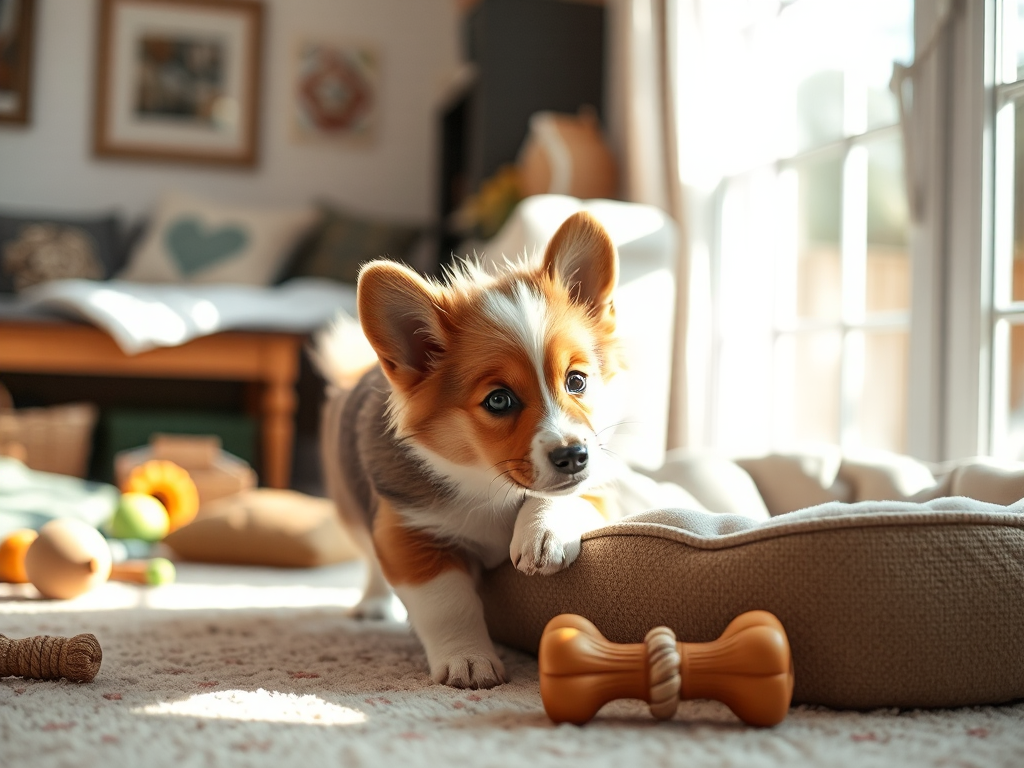
The first week your Welsh Corgi puppy is home is critical for setting routines and building security. These intelligent herding dogs thrive on consistency, and the initial days shape their behavior for years to come. Based on 2026 expert guidelines from the American Kennel Club and leading trainers, this checklist covers the exact supplies, daily schedules, and breeder coordination you need to avoid common mistakes and ensure a smooth transition for your Welsh Corgi.
- Prepare a safe environment with a crate, playpen, baby gates, and appropriate bowls before pickup.
- Establish a rigid feeding schedule of 3-4 small meals daily and take the puppy out frequently for potty breaks, especially after eating and sleeping.
- Request the breeder provide a blanket with the mother’s scent and a supply of their current food to ease transition.
Safe Confinement: Crate, Playpen, and Bed
- Crate: Essential for potty training and curbing separation anxiety. Choose a crate that allows your puppy to stand, turn, and lie down comfortably—typically 24-30 inches for a Corgi puppy.
- Playpen: Creates a safe, enclosed area for supervised play and rest. Ideal for when you cannot watch the puppy constantly.
- Cozy Bed: A soft, washable bed for comfort.
Place inside both the crate and playpen.
- Fleece Crate Mats: Absorbent pads that line the crate for added comfort and easier accident management (Carters Corgis).
Proper confinement is the foundation of a safe first week. It prevents accidents, protects your puppy from household hazards, and taps into their natural den instinct, making potty training more effective.
Corgis are clever and may attempt to escape if confinement is not secure, so choose sturdy, well-constructed equipment. The crate becomes a sanctuary, not a prison, when introduced positively.
Feeding Setup: Bowls and Food Transition
- Stainless Steel or Ceramic Bowls: These materials inhibit bacteria growth and are easy to sanitize, unlike plastic which can cause chin acne.
- Same Food as Breeder: Continue the exact diet your puppy was on for at least 1-2 weeks to avoid digestive upset.
- Feeding Schedule: Offer 3-4 small meals per day (theclevercorgi.com). Total daily amount starts at 1-1.5 cups, divided into equal portions.
- Rigid Schedule: Feed at the same times each day to stabilize digestion and support house training (natureslogic.com).
Consistent feeding is directly tied to successful potty training. Puppies have small stomachs and need regular nutrition; frequent, measured meals also create predictable potty times—usually 15-30 minutes after eating.
Stainless steel or ceramic bowls prevent bacterial buildup that can lead to skin infections. Keeping the same food eliminates a major stressor; if you eventually switch brands, transition gradually over 7-10 days to avoid diarrhea.
Potty Training Supplies: Leash, Harness, Enzymatic Cleaner
- Leash and Harness: Use for controlled potty trips; a harness is gentler on a puppy’s developing neck and chest than a collar.
- Enzymatic Cleaner: Specifically formulated to break down urine and feces odors, preventing the puppy from repeating accidents in the same spot.
- Frequent Potty Breaks: Take the puppy out immediately after eating, sleeping, playing, and every 1-2 hours during waking hours.
Corgis are naturally clean and quick learners, so a consistent potty routine yields fast results. The leash and harness keep the puppy focused on the task rather than distracting them with play.
Enzymatic cleaner is non-negotiable—ordinary cleaners leave a scent that attracts the puppy back to the accident spot. Remember, accidents are normal in the first week; clean them properly to prevent habit formation.
Comfort, Grooming, and Home Safety: Toys, Brush, Comb, Baby Gates
- Teething Toys: Durable, safe toys to soothe gums during the teething phase (3-6 months). They protect your furniture from destructive chewing.
- Chew Toys: Provide mental stimulation, promote dental health, and reduce anxiety. Rotate toys to maintain interest.
- Slicker Brush and Comb: Corgis shed heavily year-round; daily brushing removes loose hair, prevents mats, and acclimates the puppy to grooming.
- Baby Gates: Block access to dangerous areas like stairs, kitchens, or rooms with toxic plants.
Essential for effective puppy-proofing.
An intelligent breed like the Corgi needs appropriate outlets to prevent boredom-driven mischief. Teething is painful; offering proper toys saves your belongings and relieves discomfort. Grooming is not just about shedding—it’s a bonding ritual that lets you monitor skin health.
Baby gates are a key part of puppy-proofing: secure electrical cords, remove small objects, and keep hazardous items out of reach. Corgis’ herding instinct may lead them to chase or nip, so always supervise interactions with small children or other pets.
First Week Routines for a Smooth Transition
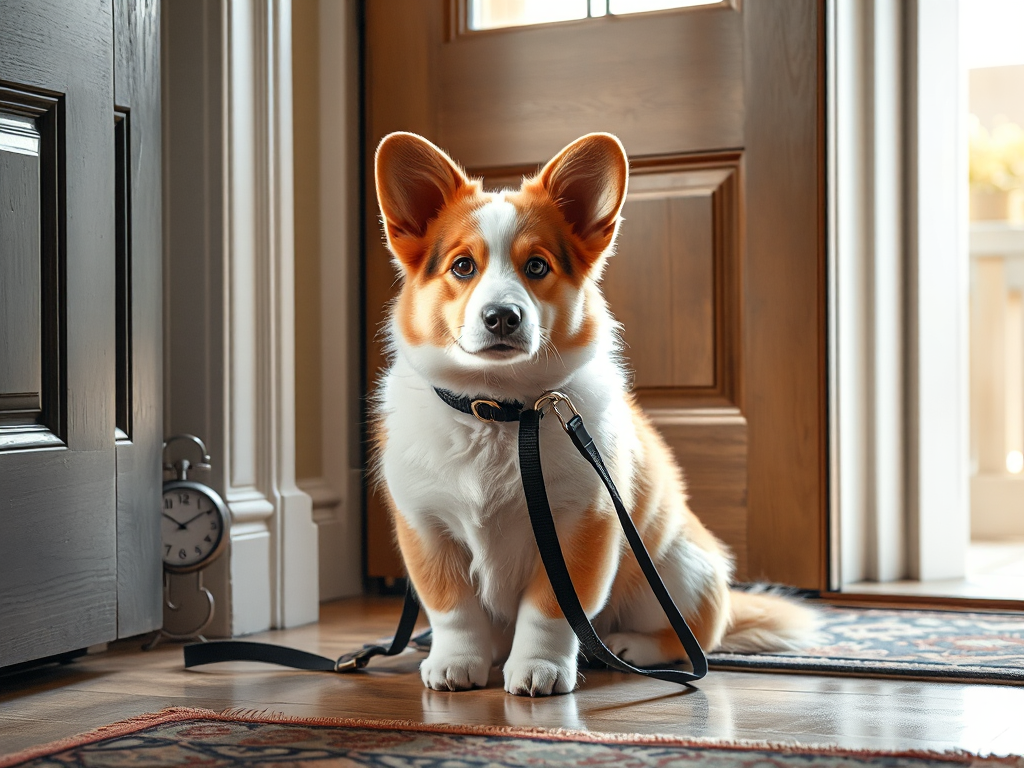
Potty Training: Frequency and Consistency
Potty training a Welsh Corgi puppy requires unwavering consistency during the first week. Take the puppy out first thing in the morning, last thing at night, and every 1-2 hours during the day. Crucially, always potty the puppy after meals, naps, and play sessions.
Use a designated spot and reward immediately with praise and a small treat when they succeed. If an accident occurs, interrupt calmly (without scolding), take the puppy to the correct spot, and clean the area thoroughly with enzymatic cleaner. Corgis are clean-natured and quick learners; with a predictable routine, many start signaling to go out by the end of the first week.
Consider hanging a bell on the door to teach the puppy to signal their need. For a deeper understanding of Welsh Corgi temperament and training traits, see our comprehensive breed guide.
Crate Training: Making it a Positive Space
Crate training provides your Corgi puppy with a safe, den-like retreat and is invaluable for potty training and preventing separation anxiety. Never use the crate as punishment. Instead, make it a pleasant place: add a comfortable bed, toys, and occasionally toss treats inside.
Feed meals in the crate and gradually increase the time the puppy spends there. The crate should be just large enough for the puppy to stand, turn, and lie down—no larger, or they may soil one corner.
Corgis instinctively avoid soiling their sleeping area, which aids in housetraining. According to 2026 guidelines from Rover, introducing the crate slowly with positive reinforcement ensures the puppy views it as a sanctuary, not a cage.
Socialization: Low-Key Introductions
The first week is not for extensive socialization; keep it low-key to avoid overwhelming your puppy. Allow the puppy to explore their new home one room at a time, and introduce family members calmly one by one. Avoid high-traffic pet areas like dog parks, pet stores, or busy sidewalks to reduce disease risk and prevent fear-based reactions.
The critical socialization window is 8-16 weeks (iheartdogs.com, 2025), but the initial days should focus on acclimating to the home environment. After the first few days, you can begin short, positive encounters with calm, vaccinated friends and their dogs—always watching for signs of stress. The goal is to build confidence without pressure.
Feeding Schedule: 3-4 Meals Daily
A rigid feeding schedule is the cornerstone of successful potty training and healthy digestion. Puppies at this age need 3-4 small meals per day, totaling 1-1.5 cups of food initially (theclevercorgi.com). Feed at the same times each day—for example, 7:00 AM, 12:00 PM, 5:00 PM, and 9:00 PM.
Measure portions to prevent overfeeding, and remove uneaten food after 20 minutes. Consistent meal times create predictable potty episodes, usually 15-30 minutes after eating. By six months, you can transition to two meals daily.
Always provide fresh water. This routine stabilizes digestion and accelerates house training (natureslogic.com).
Breeder Requests and First Week Comfort Tips

What to Request from Your Breeder Before Pickup
- Health Records: Up-to-date vaccination and deworming history, plus any veterinary check-up notes.
- Current Food Supply: Enough of the same puppy food to last at least 1-2 weeks.
- Blanket with Mother’s Scent: A blanket or toy rubbed on the mother and littermates to provide comfort.
- Familiar Toys or Chews: Items from the litter that carry familiar scents.
- Harness and Leash: If the breeder has been using them, bring them along to maintain consistency.
- Dish and Water Bottle: For the journey home.
- Pee Pads: For emergencies during travel or the first night.
These items smooth the transition by maintaining familiarity. The breeder is a wealth of information—ask about the puppy’s feeding schedule, potty habits, and any quirks. Having health records ensures you can continue veterinary care seamlessly.
The scent blanket is particularly powerful for reducing anxiety during those first stressful nights away from the litter. If you haven’t yet chosen a breeder, our article on how to choose a reputable Welsh Corgi breeder provides essential questions to ask.
Using a Scent Blanket to Calm Your Puppy
A blanket or toy carrying the mother’s scent is a simple yet powerful tool to ease your puppy’s anxiety. Before pickup, request that the breeder rub a soft blanket on the mother dog and the littermates. Place this blanket in the puppy’s crate or bed.
The familiar scent provides comfort, reduces whining, and improves sleep during the first few nights when the puppy is missing their original family. It’s normal for puppies to cry the first night; the scent blanket helps them feel secure and shortens the adjustment period.
Transitioning Food Without Digestive Issues
During the first week, continue feeding the same food the breeder provided to avoid stomach upset. If you plan to switch to a different brand later, do so gradually over 7-10 days. Start by mixing 75% old food with 25% new food, then slowly increase the proportion of new food each day.
Sudden dietary changes are a common cause of diarrhea in puppies. Monitor stool consistency; if it becomes loose, slow the transition or consult your veterinarian. Maintaining a consistent diet during this stressful period supports overall health and potty training success.
Welsh Corgis are famously intelligent, ranking among the top 10 most trainable breeds. This means they learn routines incredibly quickly—for better or worse. Inconsistencies during the first week can create lasting bad habits that are harder to break later.
Before pickup day, print this checklist and gather every item. Set up the crate, playpen, and baby gates. Stock up on the recommended food and supplies.
Having everything ready means you can focus entirely on bonding with your new puppy from the moment they arrive. As your Corgi grows, you’ll wonder about their exercise needs; learn whether Welsh Corgis are good hiking dogs to plan adventures safely.