
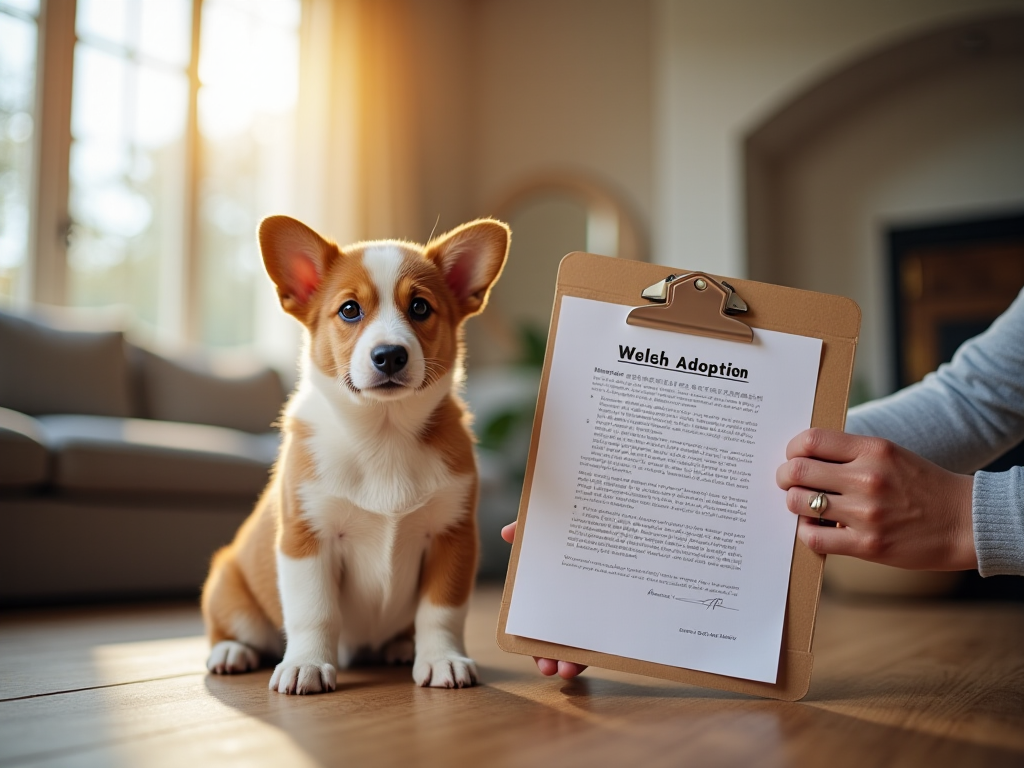
Adopting a Welsh Corgi is generally recommended, but buying from a reputable breeder may be necessary if you need a specific puppy. This decision significantly impacts your budget, the dog’s health background, and your lifestyle compatibility. With Welsh Corgis ranking among the most popular herding breeds in 2026, understanding the trade-offs between adoption and purchase helps you make an ethical, practical choice that aligns with both your expectations and the dog’s welfare.
- Adoption fees ($0-$600) are significantly lower than breeder prices ($1,000-$2,000+), and often include initial vet care.
- Adult rescues offer known temperaments and training, while breeders provide genetic screening and puppy predictability.
- Both options require commitment to high energy, intense shedding, and consistent training; always choose reputable sources to avoid puppy mills.
Should You Adopt or Buy a Welsh Corgi? Direct Comparison
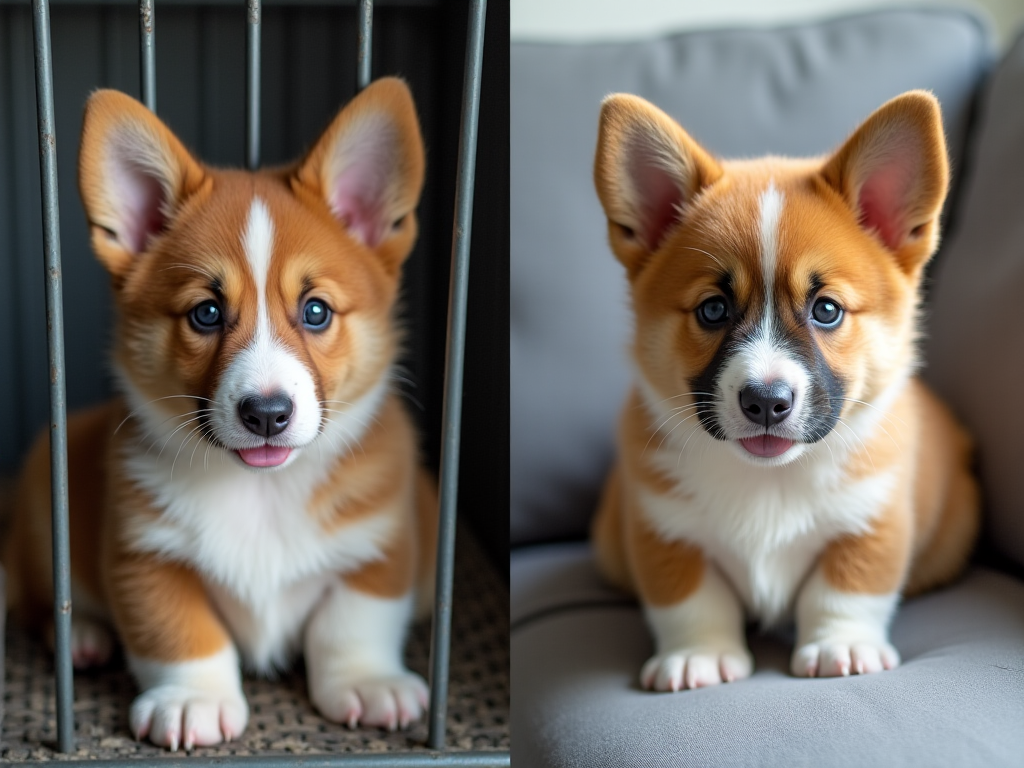
Cost Breakdown: 2026 Adoption Fees vs Breeder Prices
| Option | Price Range (2026) | What’s Included | Pros | Cons |
|---|---|---|---|---|
| Adoption | $0–$600 | Vaccinations, microchip, spay/neuter, initial vet check | Lower upfront cost, saves a life, often includes starter vet care | Limited puppy availability, unknown genetic history, may have behavioral baggage |
| Reputable Breeder | $1,000–$2,000+ | Health guarantees, pedigree paperwork, initial vaccinations, sometimes microchip | Genetic screening, predictable lineage, controlled socialization, puppy selection | Higher cost, potential for unethical breeders/puppy mills, no initial training |
The price difference between adopting and buying a Welsh Corgi is substantial in 2026. Adoption fees typically range from $50 to $350 according to Wag! data from February 2022, while Dogster reports a broader range of $0–$600 in their January 2026 guide. In contrast, purebred Welsh Corgi puppies from breeders cost $1,000–$2,000+ as noted in recent AI Overview summaries.
However, the lower upfront adoption cost does not necessarily mean lower long-term expenses. Both adopted and purchased Corgis require ongoing investment in food, veterinary care, grooming, and training. Adoption fees often bundle essential services like vaccinations, microchipping, and spay/neuter procedures, which would otherwise cost $300–$500 if paid separately.
Breeder purchases may include health guarantees and genetic testing results, but buyers typically cover these initial veterinary costs themselves. Over a Corgi’s 12–15-year lifespan, the initial savings from adoption can be redirected toward premium food, pet insurance, or professional grooming—expenses that apply regardless of source. The real financial consideration lies not in the purchase price alone, but in the total cost of ownership, which averages $1,000–$2,500 annually for this high-maintenance breed.
Health & Temperament: Known vs Predictable Trade-offs
The fundamental trade-off between adoption and buying centers on information certainty. Adult Welsh Corgi rescues come with known temperament, established behaviors, and often basic training, allowing you to skip the unpredictable puppy phase.
You’ll know immediately if the dog gets along with children, other pets, or has specific fears. This transparency reduces surprises but means you inherit any existing behavioral issues or unknown health conditions that may surface later.
Conversely, purchasing from a reputable breeder offers predictability through genetic screening and documented lineage. Responsible breeders test for hereditary conditions like intervertebral disc disease (IVDD) and hip dysplasia—common issues in Welsh Corgis—reducing the probability of passing these problems to offspring.
You can select a puppy with a specific herding instinct intensity, energy level, or coat color that matches your family’s lifestyle. However, you start with a blank slate: the puppy’s adult temperament is not fully formed, and despite genetic testing, health issues can still emerge unexpectedly.
Both paths carry risk: adoption brings known behavioral patterns but uncertain genetic health; buying provides health documentation but uncertain behavioral outcomes. The known temperament of an adult rescue often makes them easier for first-time owners, while the predictability of breeder puppies appeals to those with specific needs or experience shaping a dog’s development from infancy.
The 3-3-3 Rule: Adoption Adjustment Timeline
Adopting a Welsh Corgi requires patience during the transition period. The widely recognized 3-3-3 rule outlines typical adjustment phases: the first 3 days, 3 weeks, and 3 months in a new home.
During the initial 3 days, your new Corgi will likely feel overwhelmed, hiding or showing timid behavior. This is a decompression period—provide a quiet space, limited visitors, and let the dog approach you on their terms.
Weeks 3–4 mark the beginning of true settling as the dog explores their environment more confidently and starts revealing their personality. Basic routines emerge, and you may notice herding instincts or specific preferences. By month 3, most Welsh Corgis integrate fully, forming strong bonds and displaying their authentic temperament.
This timeline varies by individual; adult dogs with prior trauma may take longer, while well-socialized puppies adjust faster. Understanding this rule prevents premature judgments about a rescue’s suitability.
A seemingly shy Corgi in the first week may blossom into a confident companion by month two. The rule emphasizes that adoption is a marathon, not a sprint—patience during these phases yields a well-adjusted pet.
Quick Verdict: Which Path is Right for You?
– Choose adoption if: You’re budget-conscious (fees $0–$600 vs $1,000–$2,000+), want to skip the intensive puppy phase, prefer a dog with known behavior, or feel strongly about saving a life. Adult rescues often have established training and calmer energy, ideal for families without time for 24/7 puppy supervision.
– Consider buying from a reputable breeder if: You need a specific puppy for allergy considerations, require predictable lineage for competition or breeding, want control over the socialization period, or have experience shaping a dog’s development from infancy.
First-time owners may appreciate the clean slate but must thoroughly vet breeders to avoid puppy mills.
– Ultimate recommendation: Adoption is highly encouraged to combat overpopulation, but the “right” choice depends on your lifestyle, experience, and willingness to accept unknowns. Regardless of path, always choose a reputable, ethical source—whether a certified rescue organization or a PWCCA-member breeder—to ensure a healthy, well-adjusted Welsh Corgi.
Why Adopting a Pembroke Welsh Corgi is Often the Best Choice

Save a Life: The Rescue Mission Impact
Adopting a Pembroke Welsh Corgi directly saves a life and addresses breed overpopulation. Many Welsh Corgis end up in rescues not due to behavioral problems, but because of owner surrender—life changes, allergies, or underestimation of the breed’s high energy and shedding demands. Organizations like Rescue Me! specialize in rehoming Corgis across the United States, providing foster care and behavioral assessments before adoption.
Each adoption frees up space and resources for another dog in need, creating a ripple effect of compassion. In 2025, Rescue Me! reported placing over 800 Welsh Corgis into permanent homes, demonstrating the tangible impact of adoption.
By choosing adoption, you combat the demand that fuels unethical breeding operations and give a second chance to a dog that may have already experienced loss or instability. The rescue mission extends beyond one dog—it supports a network of volunteers and fosters who dedicate time to rehabilitating and rehoming Corgis, making adoption a community-driven solution to pet overpopulation.
Skip the Puppy Phase: Benefits of Adult Dogs
Adult Welsh Corgi rescues offer immediate advantages over puppies: known temperament, established training, and less intensive care. While puppies require round-the-clock supervision, potty training, and chew-proofing, adult dogs often arrive with basic commands mastered, house manners learned, and a calmer disposition. This bypasses the most demanding months of dog ownership, making Corgis accessible to busy professionals, families with young children, or first-time owners who might otherwise be overwhelmed.
Adult rescues typically have outgrown destructive chewing and have developed impulse control, reducing household damage. Their personalities are fully expressed, so you can accurately assess compatibility before committing. For example, an adult rescue known to be good with cats or gentle with toddlers eliminates the uncertainty of a puppy’s future temperament.
Additionally, adult dogs generally require less exercise than adolescents, though they still need daily activity. The known temperament of an adult Corgi provides predictability comparable to breeder puppies, but without the months of intensive puppy-rearing labor. Many adopters report that adult Corgis bond deeply and quickly, gratitude evident in their devoted companionship.
Health Checks Included: What Rescues Provide
Adoption fees for Welsh Corgis commonly bundle essential veterinary services, providing immediate health assurances and reducing initial startup costs. Typical inclusions are:
– Vaccinations: Core vaccines (DHPP, rabies) up to date
– Microchip: Permanent identification with registration
– Spay/Neuter: Already completed, preventing unwanted litters and certain cancers
– Initial veterinary examination: Screening for parasites, basic health assessment
– Dental cleaning: Sometimes included for adult dogs
These services, when purchased separately, would cost $300–$500. While rescues do not perform extensive genetic screening like responsible breeders, the initial health check catches acute issues and ensures the dog is parasite-free and generally healthy before joining your family. Some rescues also provide starter supplies (collar, leash, food) and behavioral support resources.
The comprehensive nature of adoption packages means your first veterinary visit focuses on wellness planning rather than catching up on basics. However, adopters should still schedule a full examination within the first week to establish a baseline with their own veterinarian and discuss breed-specific health monitoring, particularly for back and hip conditions common in Welsh Corgis.
Buying from a Reputable Breeder: When and How to Do It Right
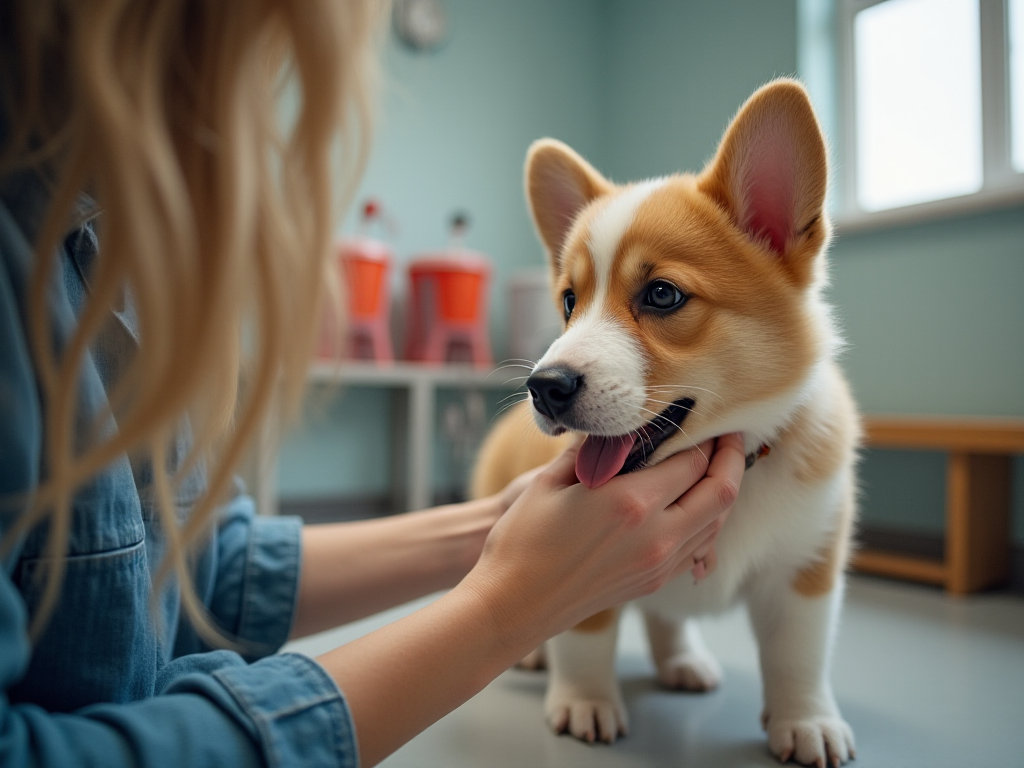
Health Screening: Genetic Testing Benefits
Reputable Welsh Corgi breeders prioritize genetic testing to minimize hereditary conditions that plague the breed. The two most significant health concerns are intervertebral disc disease (IVDD), a spinal condition causing disc herniation, and hip dysplasia, a malformation of the hip joint leading to arthritis. Breeders who follow standards set by the Pembroke Welsh Corgi Club of America (PWCCA) conduct tests such as:
– IVDD screening: Radiographs or genetic markers to assess disc health
– Hip evaluation: OFA (Orthopedic Foundation for Animals) certification
– Eye examinations: To detect progressive retinal atrophy and other ocular issues
These tests, often costing $500–$1,000 per parent, demonstrate a breeder’s commitment to long-term health rather than short-term profit. Puppies from health-tested parents have a statistically lower risk of inheriting these conditions, though not zero. This genetic screening represents a proactive investment in the breed’s future and provides buyers with documented health histories.
When evaluating breeders, request to see the parents’ health clearances and ask specific questions about their testing protocols. A transparent breeder will readily share OFA scores and explain the significance of each test. While no breeding program can guarantee perfect health, this screening significantly reduces the incidence of debilitating hereditary diseases, potentially saving thousands in future veterinary bills and sparing the dog from chronic pain.
Puppy Predictability: Choosing Your Ideal Companion
Purchasing a Welsh Corgi puppy grants unparalleled predictability across multiple dimensions. You can select a specific sex, coat color (red, sable, tri-color, fawn), and markings to match aesthetic preferences. More importantly, you control the socialization period—the critical 3–14-week window when puppies form lasting behavioral associations.
By choosing a breeder who exposes puppies to household noises, children, and other animals, you ensure your Corgi develops confidence and adaptability. Breeders can also match energy levels: some lines produce more laid-back companions, while others retain intense herding drive suitable for dog sports. This energy matching is crucial for harmonious family life.
The clean slate of a puppy allows you to shape temperament through positive reinforcement training from day one, avoiding undoing negative learned behaviors. You’ll know the exact health history of both parents, including lifespan trends and common ailments within that bloodline.
For families with specific needs—such as hypoallergenic considerations (though no dog is truly hypoallergenic), size constraints, or competition goals—breeder selection offers precision impossible with rescue adoption. However, this predictability comes with the responsibility of intensive puppy care and the uncertainty that despite best efforts, genetic health issues may still emerge later in life.
Avoiding Puppy Mills: Red Flags and Verification
The Welsh Corgi’s popularity attracts unethical breeders and puppy mills. Identifying a reputable breeder requires vigilance. Red flags include:
– Multiple litters available simultaneously or year-round
– Refusal to allow facility visits or show where dogs live
– Puppies always in stock, no waitlist
– Lack of health guarantees or contracts
– Pricing significantly below $1,000 (indicative of poor health testing)
– Meeting in public locations rather than at their home/kennel
– Pressure to pay immediately without questions
Signs of a reputable breeder:
– Breeds only one or two breeds, with deep expertise
– Requires detailed application and interviews about your lifestyle
– Allows (even encourages) visits to meet parents and see conditions
– Provides comprehensive health guarantees (minimum 1–2 years)
– Supplies complete health clearances for both parents (OFA, genetic tests)
– Asks to take the dog back at any point if you cannot keep it
– Is transparent about breed flaws and potential health issues
– Has a waitlist, not immediate puppies
Pet stores almost always source from puppy mills, where dogs are bred in deplorable conditions with no regard for health or temperament. The PWCCA maintains a breeder referral list for choosing a reputable Welsh Corgi breeder; always start there.
Visiting the facility, meeting the parent dogs, and observing their behavior and living conditions provides the best verification. A good breeder will also ask you as many questions as you ask them, ensuring their puppies go to suitable homes.
Why Some Corgis Don’t Cuddle: Breed Affection Styles
A common question among prospective owners is whether Welsh Corgis are cuddly. The answer varies by individual. Some Corgis are velcro dogs who crave constant physical contact, while others show affection through proximity rather than lap-sitting.
This independence stems from their herding background—they are working dogs bred to make autonomous decisions in the field. Their affection often manifests as following you from room to room, resting at your feet, or bringing toys to initiate play, rather than traditional cuddling, which is one of the surprising truths about Corgi ownership. This trait is independent of adoption versus buying; both rescue and breeder Corgis display the full spectrum of affection styles.
A Corgi’s history—whether rescued from neglect or raised in a loving home—affects their comfort with closeness. Rescue dogs with past trauma may be initially wary of being touched, while well-socialized puppies from breeders may be more overtly affectionate.
Understanding that cuddling is not the sole measure of love helps set realistic expectations. A happy Corgi will show devotion in their own way, whether through enthusiastic greetings, herding your ankles, or simply sharing your space.
Closing

The most surprising insight: adult Welsh Corgi rescues often possess established personalities and basic training, making them easier to integrate into many households than puppies, despite the common assumption that puppies are more adaptable. This challenges the notion that buying is the only path to a well-behaved companion. Before deciding, visit Rescue Me! (rescueme.org) or your local shelter to meet available Corgis, and also contact at least three PWCCA-member breeders to ask about health testing and puppy availability.
Compare not just costs, but the lifestyle fit each option provides. Your ideal Welsh Corgi companion exists—whether through adoption’s second chance or breeding’s careful selection—but the choice should align with your capacity to meet this intelligent, energetic breed’s needs for the next 12–15 years.