

Welsh Corgis face distinct health challenges at each life stage, with genetic conditions in puppies, spinal and metabolic issues in adults, and degenerative diseases in seniors. Their unique anatomy—long backs and short legs—makes them especially prone to spinal problems like intervertebral disc disease (IVDD), as noted by the PDSA.
Genetic factors also predispose them to conditions such as hip dysplasia and breed-specific disorders like neuronal ceroid lipofuscinosis. Age-based health monitoring is critical for early detection and intervention, ultimately improving quality of life and longevity.
- IVDD is a major spinal risk for corgis due to their long back anatomy, causing pain and potential paralysis.
- Cancer is a leading cause of death in senior corgis, with lymphoma and hemangiosarcoma most common.
- Obesity is extremely common in adult corgis and worsens back and joint problems, making weight management essential (Source: PetMD via AI Overview).
- Degenerative myelopathy progressively weakens senior corgis, differing from IVDD in its progressive nature (Source: Houndsy via AI Overview).
- Puppy corgis may develop inguinal hernias and obsessive behaviors like excessive licking.
Puppy & Young Adult (0–2 years): Genetic and Behavioral Health Risks

Genetic Conditions: Inguinal Hernias in Corgi Puppies
Inguinal hernias occur when abdominal contents protrude through the inguinal canal, creating a visible bulge in the groin area. This condition is genetic and particularly prevalent in Welsh Corgi puppies. The hernia may become more noticeable when the puppy is active or straining.
While some hernias can be minor, others risk strangulation of the tissue, making surgical correction the recommended treatment. Early veterinary evaluation is crucial to determine the severity and timing of repair. With successful surgery, most puppies recover fully and go on to live healthy lives.
Owners should regularly check their puppies for any unusual swelling in the abdominal or groin region. Inguinal hernias are distinct from umbilical hernias, which appear near the belly button. The genetic nature of inguinal hernias means that affected dogs should not be used for breeding to prevent passing the trait to offspring.
Veterinary surgeons typically repair the defect by closing the opening in the abdominal wall, often using sutures alone. The procedure is relatively common and has a high success rate when performed by a qualified veterinarian.
Post-operative care includes limiting activity to allow proper healing. For more information about the breed and its characteristics, refer to the Welsh Corgi breed guide.
Neurological Disorder: Neuronal Ceroid Lipofuscinosis (NCL) in Cardigan Corgis
Neuronal Ceroid Lipofuscinosis (NCL) is a progressive neurodegenerative disease that affects Cardigan Welsh Corgis. The disorder causes severe neurological impairment.
- Neuronal Ceroid Lipofuscinosis (NCL) is a progressive neurodegenerative disease that affects Cardigan Welsh Corgis.
- The disorder leads to cellular dysfunction and death in nerve cells.
- Symptoms typically begin in young adulthood and may include vision loss, seizures, and cognitive decline.
- The prognosis is poor, with affected dogs experiencing a gradual decline and often requiring euthanasia within a few years of diagnosis.
- There is currently no cure for NCL. Responsible breeding practices, including genetic testing of breeding stock, are essential to reduce the incidence of this devastating disease in the Cardigan population. Owners should discuss NCL testing with their breeder and veterinarian.
Behavioral: Obsessive Licking and Compulsive Behaviors
Extreme obsessive behaviors, such as excessive licking of surfaces, are reported in some Welsh Corgi puppies and young adults. This behavior goes beyond normal grooming and can involve constant licking of floors, walls, or objects. The underlying cause is not always clear, but it may be related to the breed’s intense herding instincts or heightened sensitivity to environmental stimuli.
While some puppies outgrow this habit, persistent licking can lead to hair loss, skin irritation, or ingestion of harmful substances. Owners should monitor the frequency and triggers of such behavior. If it becomes chronic, a veterinary consultation is recommended to rule out medical issues like allergies or gastrointestinal discomfort, and to discuss behavioral modification strategies.
Providing adequate mental stimulation and exercise can also help redirect obsessive tendencies. In some cases, obsessive licking may be a sign of anxiety or stress, particularly if the dog is left alone for long periods. Behavioral training and environmental enrichment can often reduce these compulsive actions.
What Health Problems Are Most Common in Adult Corgis (3–9 Years)?
IVDD: High Risk of Back Pain and Paralysis Due to Long Back Anatomy
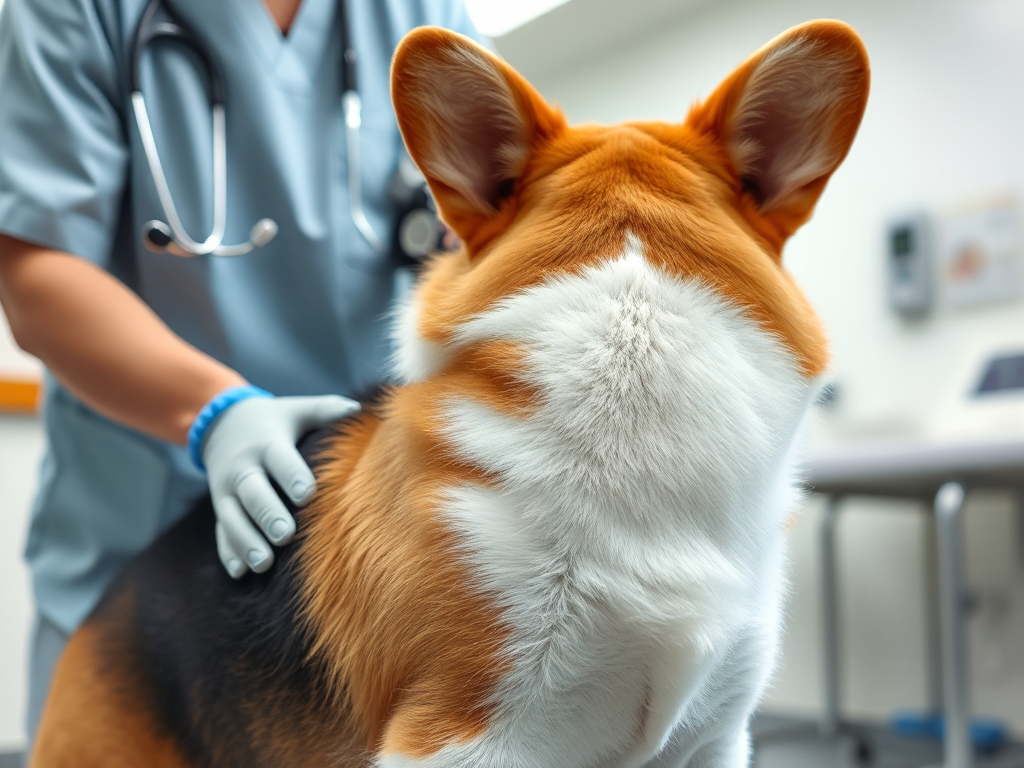
Intervertebral Disc Disease (IVDD) is a major health concern for adult Welsh Corgis. Their distinctive long backs and short legs create structural stress on the spine, increasing the risk of disc herniation.
| Aspect | Details |
|---|---|
| Risk Factor | Long back anatomy makes corgis inherently prone to intervertebral disc disease (IVDD). |
| Common Symptoms | Back pain, reluctance to move, and potential paralysis in severe cases. |
| Prevention | Maintaining healthy weight, using ramps for furniture, and avoiding high-impact jumps. |
Early detection through veterinary check-ups and prompt treatment are crucial for managing IVDD and preventing permanent damage. Obesity significantly increases the risk, making weight management a key preventive strategy. While IVDD can occur at any age, it is most frequently diagnosed in adult corgis between 3 and 9 years.
Regular spinal check-ups with a veterinarian can help detect early signs of disc disease. For a comprehensive guide to recognizing, treating, and preventing IVDD in corgis, see our detailed resource on corgi back problems (IVDD): symptoms, treatment & prevention.
Epilepsy: Seizures Typically Begin Between 6 Months and 3 Years
Epilepsy is a neurological condition characterized by recurrent seizures. In Welsh Corgis, seizures often have their onset between six months and three years of age, according to Isom Veterinary Hospital. Seizures can vary in type; some dogs experience generalized convulsions with loss of consciousness, while others may have focal seizures involving specific body parts.
Veterinary evaluation is essential to confirm epilepsy and exclude other potential causes such as toxins or metabolic disorders. While medication can help manage seizures, the specific treatment plan should be determined by a veterinarian based on the individual dog’s needs. With proper management, many dogs with epilepsy can have a good quality of life.
Owners should keep a seizure diary noting frequency, duration, and triggers to assist the vet in diagnosis. Regular monitoring and follow-up visits are important to adjust treatment as needed.
Obesity: Extremely Common, Worsening Back and Joint Problems
Obesity is a prevalent and serious health concern for adult corgis, directly impacting their spinal and joint health.
- Obesity is extremely common in adult Welsh Corgis, with many dogs carrying excess weight, according to PetMD.
- Excess weight significantly worsens existing back problems like IVDD and increases the risk of hip dysplasia.
- Weight management through a balanced diet and regular exercise is essential for preventing and mitigating these issues.
- Regular body condition scoring and veterinary guidance can help maintain a healthy weight.
- Corgis’ love for food and moderate activity level make them prone to weight gain, requiring owners to be vigilant about portion control.
Maintaining an ideal body condition is one of the most effective ways to extend a corgi’s lifespan and improve its quality of life. According to discussions on Reddit, corgis’ long backs make them especially prone to weight and back issues, which can be avoided with proper care.
Eye Conditions: Progressive Retinal Atrophy and Glaucoma Risks
Progressive Retinal Atrophy (PRA) and glaucoma are two serious eye conditions affecting corgis. PRA involves gradual degeneration of the retina, leading to progressive vision loss and eventually blindness. Glaucoma, on the other hand, is characterized by increased pressure within the eye, which can cause rapid vision loss and pain.
While both conditions can result in blindness, glaucoma often requires more urgent treatment to alleviate pain and preserve vision. Regular eye examinations are essential for early detection of either condition.
Both conditions can significantly impact a corgi’s quality of life, making it important for owners to watch for signs such as bumping into objects, cloudiness, or redness in the eyes. PRA is typically inherited and may start showing signs in young adult dogs, whereas glaucoma can develop at any age and may be primary or secondary to other eye problems.
Senior (10+ years): Degenerative Diseases and Cancer Prevalence

Degenerative Myelopathy: Progressive Spinal Cord Disease Causing Weakness
Degenerative myelopathy (DM) is a progressive spinal cord disease that leads to increasing weakness and eventual paralysis, primarily in the hind limbs. It is especially common in senior Welsh Corgis, typically manifesting around 8–10 years of age. Unlike IVDD, which may cause acute back pain and sudden paralysis, DM has a gradual onset and is currently incurable.
The disease progresses over months to years, ultimately affecting the dog’s mobility and quality of life. While there is no cure, supportive care such as physical therapy and mobility aids can help maintain comfort. Regular veterinary assessments are important to manage symptoms and rule out other causes of hind limb weakness.
DM is believed to have a genetic component, and affected dogs should not be used for breeding. Owners may notice their corgi becoming unsteady on its feet, dragging a hind leg, or having difficulty rising from a lying position.
Pain is not typically a feature of DM, which helps differentiate it from IVDD. This condition is well-documented by Houndsy as a progressive spinal cord disease causing weakness and paralysis.
Cancer: Leading Cause of Death in Senior Corgis
Cancer poses a significant health threat to aging corgis, often becoming the primary cause of mortality.
- Cancer is a leading cause of death in senior dogs, including Welsh Corgis, as noted by Winter Park Veterinary Hospital and People Also Ask responses.
- The most common types are lymphoma (affecting lymph nodes and blood) and hemangiosarcoma (a malignant tumor of blood vessels, often in the spleen or heart).
- These cancers can present with signs such as swollen lymph nodes, lethargy, or sudden collapse due to internal bleeding.
- Early detection through regular veterinary check-ups and screenings improves treatment outcomes.
- Owners should be vigilant for lumps, weight loss, or changes in appetite and energy.
Prompt veterinary attention to any suspicious symptoms is crucial for effective management. Treatment options vary depending on the cancer type and stage, and may include surgery, chemotherapy, or palliative care.
Arthritis and Joint Stiffness: Managing Mobility in Old Age
Arthritis and general joint stiffness are common in senior corgis, often leading to reduced mobility and discomfort.
| Management Strategy | Purpose/Benefit |
|---|---|
| Weight control | Reduces stress on joints, slowing degeneration and improving comfort. |
| Joint supplements (e.g., glucosamine) | Supports cartilage health and may reduce inflammation. |
| Physical therapy | Maintains range of motion and muscle strength through controlled exercise. |
| Pain medications | Alleviates discomfort and improves quality of life (under veterinary supervision). |
| Regular low-impact exercise | Keeps joints mobile without excessive strain; short walks are ideal. |
A comprehensive approach combining these strategies, guided by a veterinarian, can significantly enhance a senior corgi’s comfort and activity level. Regular check-ups are necessary to monitor arthritis progression and adjust treatment.
Providing orthopedic beds and non-slip flooring can also improve daily comfort. The Welsh Corgi League health survey reports arthritis and general stiffness as frequent findings in older corgis, underscoring the importance of proactive management.
Senior Age Threshold: When Is a Corgi Considered Old?
According to common veterinary knowledge, corgis are generally considered seniors at around 8 years of age, as highlighted in People Also Ask. At this stage, owners may notice changes such as decreased energy levels, vision deterioration, and stiffness in movement. These changes are natural aspects of aging but can also signal underlying health issues that require attention.
More frequent veterinary check-ups become beneficial to monitor for age-related conditions like arthritis, dental disease, and organ dysfunction. Regular health screenings allow for early detection and management, helping to maintain the corgi’s quality of life during its golden years. Dental health becomes increasingly important, as dental disease is common in older dogs and can affect overall health.
Adjusting diet to senior-specific nutritional needs and providing appropriate exercise can support healthy aging. Veterinary check-ups also screen for cardiac abnormalities such as patent ductus arteriosus, which may present with coughing or fatigue, as noted by WebMD. Understanding the typical lifespan helps owners provide appropriate care; see our in-depth look at Welsh Corgi lifespan for more details.
The most surprising aspect of corgi health is how dramatically the risks shift with age—from genetic hernias in puppies to cancer in seniors—while IVDD and obesity remain constant threats across adulthood. As highlighted by Gallant, the top five corgi health problems include hypothyroidism, IVDD, hip dysplasia, degenerative myelopathy, and epilepsy, illustrating the breed’s susceptibility to multiple serious conditions. To protect your corgi, schedule a comprehensive veterinary wellness exam today.
Ensure the exam includes age-appropriate screenings: spinal evaluation for back issues, eye tests for PRA or glaucoma, and joint assessment for arthritis or hip dysplasia. Tailor the check-up to your dog’s current life stage for optimal preventive care.
Frequently Asked Questions About Welsh Corgi Health Issues: Most Common Problems By Age
What is the leading cause of death in corgis?
Cancer is a leading cause of death in older dogs. Your corgi will live longer than many other breeds and is likely to get cancer in his golden years.
What is the main cause of death in Corgis?
The most common causes of death in senior Corgis are cancer, neurological diseases like degenerative myelopathy, and complications from obesity-related conditions. Degenerative myelopathy (DM) is especially common in older Corgis and progresses gradually.
What age is considered senior for corgi?
Corgis are generally considered seniors at around 8 years of age. At this point, you may notice changes in energy level, vision, and movement. Senior Corgis benefit from: More frequent veterinary checkups.