

Intervertebral Disc Disease (IVDD) is a common, serious spinal condition in Corgis that can cause severe pain, mobility issues, and even paralysis if not treated promptly. Recognizing the early signs and understanding treatment and prevention is critical for every owner. For comprehensive breed information, visit the Welsh Corgi category page.
- IVDD symptoms range from pain (shivering, hunched back) to neurological issues (wobbly gait, dragging hind legs).
- Treatment hinges on severity: mild cases require strict 4-6 week crate rest with medication; severe paralysis often needs surgery like a hemilaminectomy.
- Prevention focuses on weight management, avoiding jumps with ramps, using a harness, and low-impact exercise to strengthen back muscles.
Symptoms of IVDD in Corgis
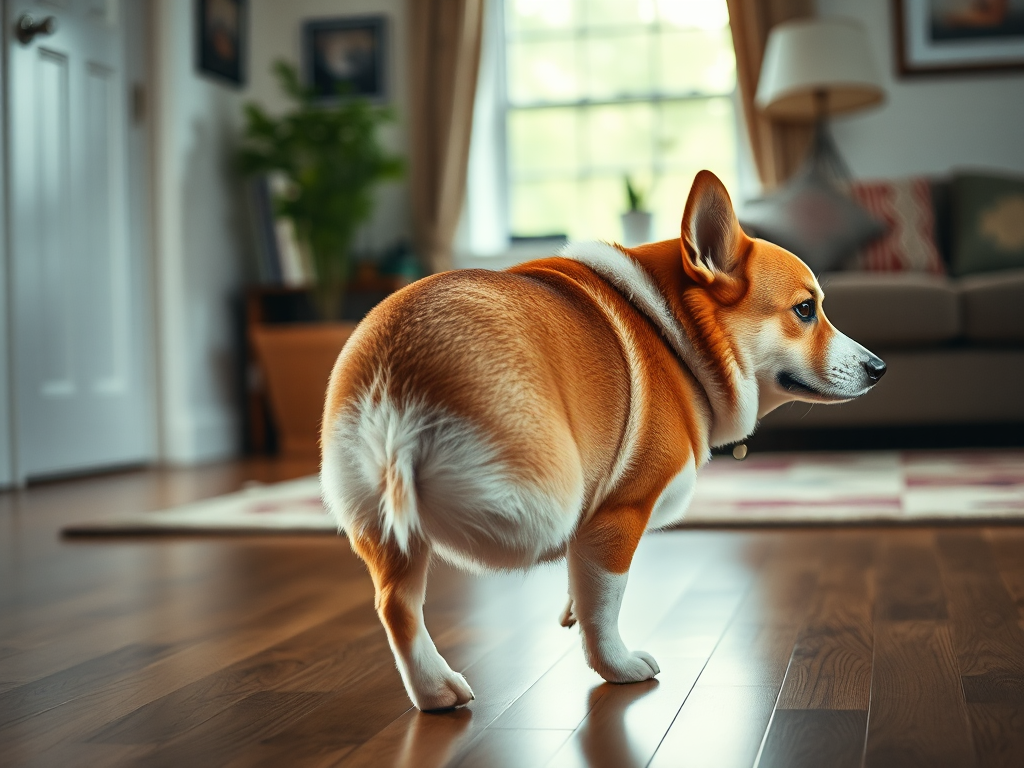
IVDD symptoms exist on a spectrum from mild discomfort to complete paralysis. Recognizing the early, subtle signs can mean the difference between quick recovery and permanent damage.
According to the Cardigan Welsh Corgi Health Foundation, early signs may include chronic lameness and reluctance to jump or climb stairs. Harman Corgis emphasizes that IVDD is a degenerative disease where discs bulge or rupture, causing pain and potential paralysis.
Pain Indicators: Shivering, Panting, and a Stiff Posture
- Shivering and panting: These are common pain responses that may occur even at rest. Unlike normal panting after exercise, this panting is often accompanied by trembling and doesn’t resolve with cooling down.
- Crying or whining: Your Corgi may yelp when touched, especially along the spine, or cry out when moving. This indicates acute pain from disc pressure.
- Refusing to eat: Loss of appetite can be a subtle sign of discomfort.
If your normally food-motivated Corgi ignores meals, pain could be the cause.
- Stiff, hunched back: A pronounced arch in the back, particularly in the lumbar region, is a classic postural change. The dog may hold its body rigid to minimize movement.
These pain indicators are often the earliest warnings of IVDD and can appear before any mobility changes.
Because they are subtle, owners might mistake them for general aches or aging. However, persistent shivering or a hunched posture that lasts more than a day warrants veterinary evaluation to rule out IVDD or other spinal issues.
Mobility Changes: Reluctance to Move and a ‘Drunken’ Walk
- Reluctance to jump or use stairs: A sudden refusal to perform previously easy tasks like hopping onto the couch or climbing steps is a red flag. This avoidance is due to pain or fear of worsening disc pressure.
- Wobbly, unsteady gait (ataxia): The dog may walk as if drunk, swaying side to side, especially in the hindquarters. This ataxia indicates the spinal cord is compromised, affecting coordination.
- Dragging hind legs: One or both hind legs may drag, with knuckles scraping the ground.
This can lead to hair loss or sores on the tops of the paws from constant contact.
Mobility changes signal that IVDD is progressing beyond mild pain. The “drunken” walk, known as ataxia, reflects neurological impairment.
Owners should distinguish this from general laziness—ataxia is inconsistent and worsens with activity. Any dragging or knuckling requires immediate veterinary attention to prevent permanent damage.
Neurological Signs: Knuckling Over and Tail Paralysis
- Knuckling over: The dog walks on the top surface of its paws instead of the pads. This occurs because the brain isn’t receiving proper signals about foot position, a sign of severe spinal cord compression.
- Loss of tail movement: The tail may become limp and unresponsive, or the dog may be unable to wag. This indicates damage to the nerves controlling the tail, often accompanying lower spinal issues.
These neurological signs are emergency indicators.
Knuckling over means the spinal cord pressure is significant, and paralysis may be imminent. Tail paralysis suggests the cauda equina (nerve bundle at the spine’s end) is affected. Immediate veterinary care is crucial—every hour of delay reduces the chance of full recovery.
How Is IVDD Treated in Corgis?

Treatment pathways diverge based on severity. Mild cases often heal with conservative care, while severe neurological deficits require surgical decompression. The chosen approach directly impacts prognosis and recovery time.
Conservative Care: The Critical 4-6 Week Crate Rest Protocol
| Treatment Component | Details |
|---|---|
| Crate Rest Duration | 4-6 weeks of strict confinement to prevent any movement that could worsen the disc injury. |
| Pain Medications | NSAIDs (e.g., carprofen), opioids (e.g., tramadol) to manage discomfort. |
| Muscle Relaxants | Drugs like methocarbamol to reduce muscle spasms around the spine. |
| Anti-inflammatories | Steroids (e.g., prednisone) or other anti-inflammatories to reduce swelling and pressure on the spinal cord. |
Strict crate rest is the cornerstone of conservative treatment. During the 4-6 week period, the dog must remain in a crate or small pen except for brief leash walks to eliminate. Any jumping, running, or even excited wiggling can cause the bulging disc to rupture or worsen inflammation.
The rest period allows the disc material to reabsorb and the surrounding tissues to heal without mechanical stress. Owners must enforce this rigorously, as even short bursts of activity can undo progress.
Medications play a supportive role but do not heal the disc itself. Painkillers and anti-inflammatories make the dog comfortable and reduce swelling, which can alleviate pressure on the spinal cord. Muscle relaxants prevent spasms that might cause additional pain.
However, these drugs are temporary measures; without adequate rest, the underlying disc problem persists and may deteriorate. Regular veterinary check-ups during rest are essential to monitor progress and adjust medications.
Surgical Intervention: Hemilaminectomy for Paralysis and Severe Pain
Surgery becomes necessary when the dog is paralyzed or experiencing severe, unrelenting pain that doesn’t respond to medication. The most common procedure is a hemilaminectomy, where a veterinarian removes the portion of the vertebral bone (lamina) to access and extract the ruptured disc material pressing on the spinal cord. This decompression relieves pressure and allows the spinal cord to recover.
According to veterinary specialists, dogs with mild to moderate neurological deficits often have a good prognosis after surgery, with many regaining mobility within weeks. However, recovery is not instant—post-operative care includes restricted activity, pain management, and sometimes physical therapy.
Preventing Corgi Back Problems: Key Strategies

Prevention focuses on reducing mechanical stress on the spine through weight control, activity modification, and proper handling. These daily management strategies are within every owner’s control and can significantly lower IVDD risk.
Weight Management and Controlled, Low-Impact Exercise
- Maintain a lean body condition: Use a body condition scoring system to ensure ribs are easily felt without a thick fat layer. Excess weight places additional strain on the spinal discs, increasing the risk of bulging or rupture. Cornell University College of Veterinary Medicine recommends keeping dogs trim and fit to minimize spinal stress.
- Replace high-impact activities with controlled walks: Discourage jumping, frisbee catching, and rough play.
Instead, institute daily leash walks on even surfaces for 20-30 minutes to strengthen core and back muscles without jarring impacts.
- Avoid stairs and steep inclines: If possible, block access to stairs or carry your Corgi up and down. Repeated stair climbing increases disc pressure, especially in the thoracolumbar region.
Weight management is the cornerstone of IVDD prevention. A lean Corgi experiences less chronic inflammation and mechanical load on the discs.
Combine this with low-impact exercise that builds supportive musculature without high-impact forces. Consistency is key—these daily habits create a protective effect over time. For a deeper dive into how weight impacts various health conditions across a Corgi’s lifespan, consult our guide on common health issues by age.
Safe Handling: Harnesses, Ramps, and Proper Lifting Technique
- Use a front-clip harness: A harness distributes pressure across the chest and back rather than concentrating force on the neck. This prevents cervical disc issues that can arise from collar pulls.
- Install ramps or pet stairs: For furniture, beds, and vehicles, provide a ramp to eliminate jumping. Even small jumps generate significant spinal compression forces.
- Lift with support: Always place one hand under the chest and the other under the hindquarters when picking up your Corgi.
This keeps the spine aligned and prevents twisting or bending stresses.
Daily handling habits accumulate micro-traumas that can trigger IVDD. By using a harness, ramp, and proper lift, you remove common sources of sudden disc pressure.
These simple adjustments are especially critical for older Corgis or those with early disc degeneration. Proper equipment like harnesses also contributes to overall comfort and can reduce stress-related shedding, which you can learn more about in our article on shedding and dander facts.
The most surprising insight from current veterinary understanding is that while IVDD has a genetic component in Corgis, the majority of spinal health is controlled by modifiable lifestyle factors. Many owners believe their dog’s fate is sealed by breeding, but research from institutions like Cornell University College of Veterinary Medicine shows that weight, activity, and handling have profound impacts. Early symptom recognition remains critical—knowing the signs from pain to neurological deficits allows for prompt treatment, which significantly improves outcomes.
The single most impactful action you can take today is to evaluate your Corgi’s weight. If you cannot easily feel their ribs under a thin layer of fat, implement a calorie-controlled diet immediately. Switch to measured meals using a standard cup, and increase daily leash walks to 30 minutes on even ground.
Install a ramp for the couch and car, and replace the collar with a front-clip harness. These three steps—weight control, low-impact exercise, and spine-safe equipment—dramatically lower the risk of a painful IVDD episode.