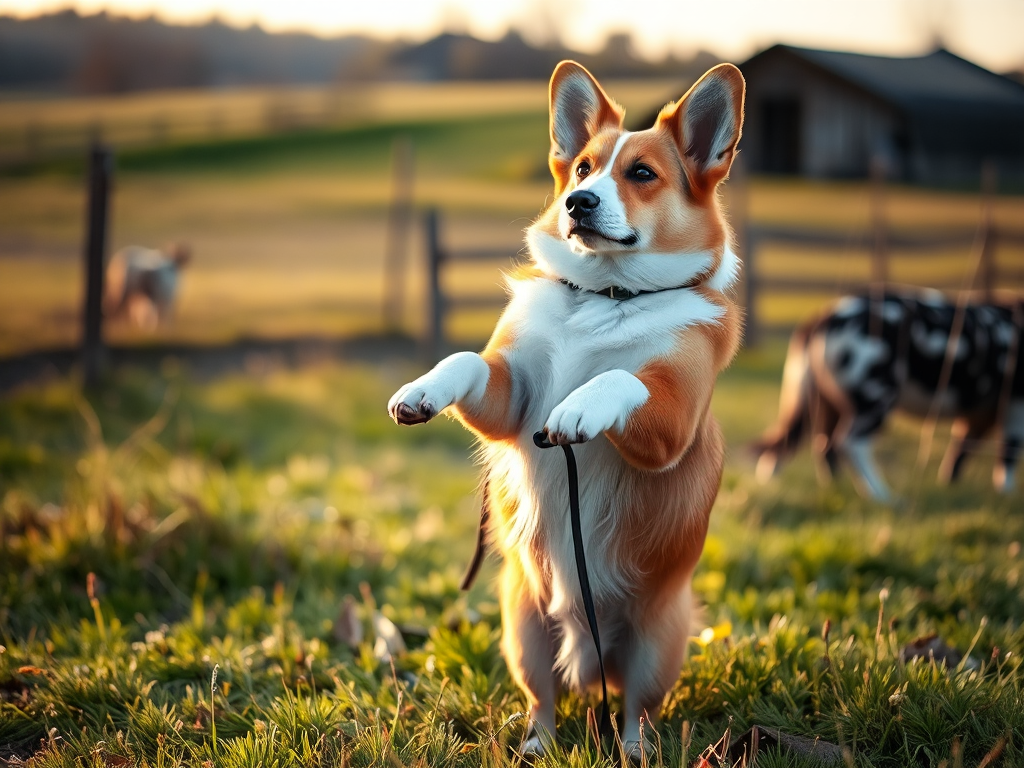

Pembroke Welsh Corgis rank #11 in Stanley Coren’s landmark study of over 110 dog breeds, placing them in the top 10% for working/obedience intelligence. This ranking, from the 1994 book The Intelligence of Dogs, is based on surveys of hundreds of breed judges and measures how quickly dogs learn new commands and reliably obey known ones. For Corgis, this means they typically learn a new cue in fewer than 5 repetitions and obey correctly 85%+ of the time.
Their intelligence is not just a number—it directly impacts how they respond to training and interact with their families. The study, updated in 2006, remains the definitive reference for canine cognitive abilities in 2026.
- The Pembroke Welsh Corgi ranks #11 in Stanley Coren’s “The Intelligence of Dogs,” placing it in the top 10% of over 110 breeds tested.
- This ranking is based on working/obedience intelligence, meaning Corgis learn new commands in fewer than 5 repetitions and obey known commands 85%+ of the time.
- The Cardigan Welsh Corgi is a separate breed ranked #26, highlighting a significant intelligence difference between the two types.
Pembroke Welsh Corgi Intelligence Ranking: Out of 110+ Breeds
The Spot: What It Means Compared to Other Breeds
| Rank | Breed | Primary Trait |
|---|---|---|
| 1 | Border Collie | Herding, exceptional obedience |
| 2 | Poodle | Highly trainable, versatile |
| 3 | German Shepherd | Working, police/military |
| 11 | Pembroke Welsh Corgi | Herding, responsive to humans |
| 26 | Cardigan Welsh Corgi | Herding, more independent |
| 59 | Maltese | Companion, low working drive |
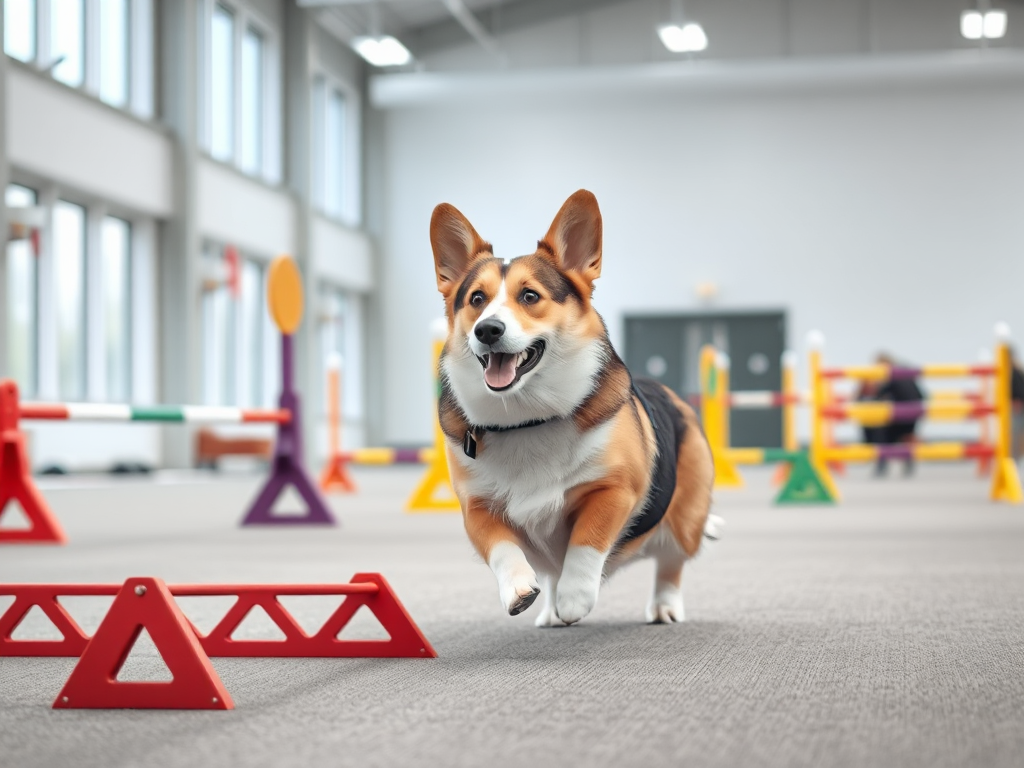
Being ranked #11 means the Pembroke Welsh Corgi sits firmly in the “excellent working/obedience intelligence” tier, just behind the top 10 breeds that are considered the brightest and most trainable. This places the Corgi among the most responsive and quick-learning dogs, capable of mastering complex commands with minimal repetition. The gap to the #1 Border Collie is only 10 positions, but the difference in learning speed can be noticeable in advanced training scenarios.
For context, the Cardigan Welsh Corgi at #26 falls into the “above-average” category, while the Maltese at #59 is in the “fair” tier, illustrating the spectrum of canine intelligence. This ranking also means that Corgis are often successful in competitive obedience trials, where they consistently rank among the top herding breeds. Their small size belies their mental capacity, which rivals that of much larger working dogs.
Pembroke vs. Cardigan: A 15-Point Intelligence Gap
While both are Welsh Corgis, the Pembroke and Cardigan are distinct breeds with different intelligence rankings. According to Stanley Coren, the Cardigan Welsh Corgi ranks #26, a full 15 positions behind the Pembroke. This difference places the Cardigan in the “above-average working dogs” tier, still intelligent but not in the top tier.
The divergence stems from their separate breeding histories: Pembrokes were developed for closer, more responsive work with humans in Pembrokeshire, while Cardigans retained more independent herding traits. Both breeds are smart, but the Pembroke’s higher ranking reflects its exceptional eagerness to please and faster command acquisition, making it generally easier to train for obedience competitions. Owners of both breeds should note that intelligence does not guarantee automatic obedience; consistent, positive reinforcement training is essential for both.
However, Pembrokes may pick up new cues slightly faster, requiring trainers to keep sessions varied to prevent boredom. The 15-point gap is significant in Coren’s tier system, which groups breeds into “brightest” (1-10), “excellent” (11-30), “above-average” (31-60), and so on.
Thus, the Pembroke sits at the very top of the “excellent” tier, while the Cardigan is in the middle of the “above-average” tier. The intelligence gap also reflects in training outcomes: Pembrokes may master basic obedience in weeks, while Cardigans might take a few months longer for the same commands, though both are capable learners.
Stanley Coren’s Dog Intelligence Study: How Rankings Are Determined
The Three Types of Canine Intelligence: Why “Obedience” Matters Most
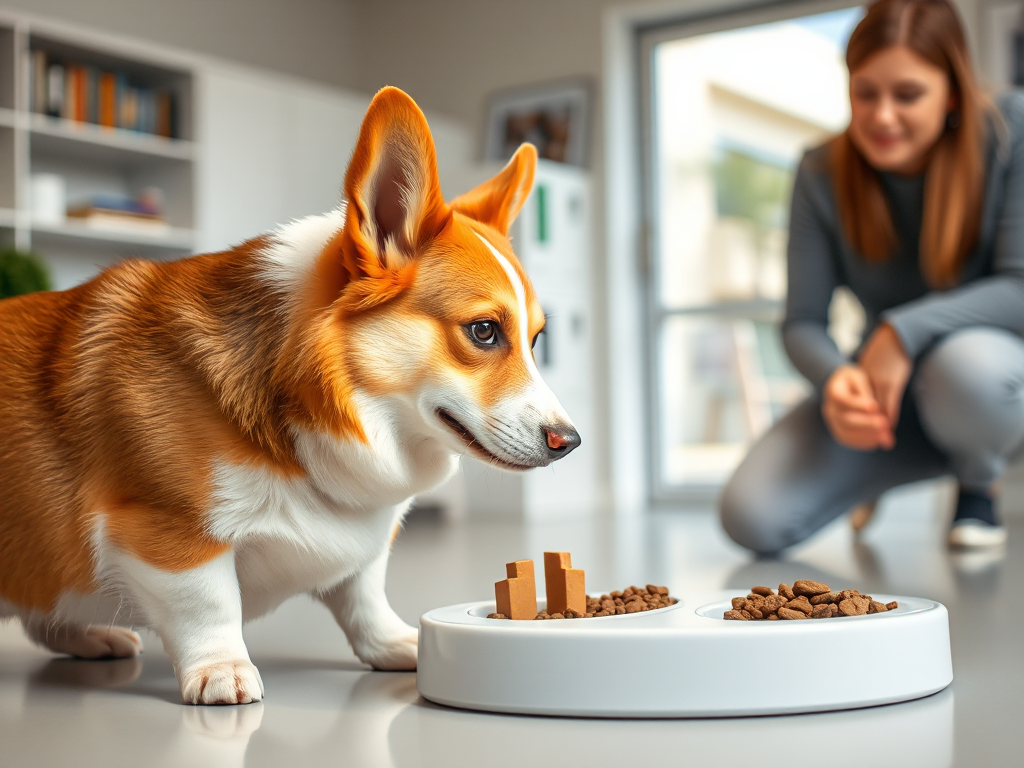
Stanley Coren’s framework categorizes canine intelligence into three distinct types. Instinctive Intelligence refers to a dog’s innate ability to perform tasks it was bred for, such as herding, pointing, or guarding. Adaptive Intelligence measures a dog’s problem-solving skills, ability to learn from the environment, and capacity for independent decision-making.
Working/Obedience Intelligence evaluates how quickly a dog learns new commands and how reliably it obeys known ones. The famous breed ranking from The Intelligence of Dogs is based solely on this third category. This is crucial because a high rank does not mean a Corgi is the best at solving puzzles (adaptive) or has the strongest herding instinct (instinctive); it means the breed excels at learning from humans and following instructions.
For Corgis, their working/obedience intelligence is a direct product of their herding heritage—they needed to respond instantly to a farmer’s whistle or hand signal. In modern contexts, this translates to a dog that picks up obedience lessons quickly and thrives in structured training environments. However, a Corgi may also figure out how to open a door or steal food when unsupervised, showcasing adaptive intelligence that is not captured by the ranking.
Understanding this distinction helps owners set realistic expectations: a #11 rank predicts trainability, not infallible problem-solving or unstoppable instincts. Coren’s study has been criticized for focusing only on obedience, but it remains the most cited benchmark because obedience intelligence is the most practical for everyday dog owners. It predicts how easily a dog can be house-trained, taught recall, and integrated into family life.
Methodology: Surveying 120+ Breed Judges & Obedience Trainers
- Coren’s team distributed standardized questionnaires to over 120 North American breed judges and more than 200 obedience trial judges during the 1990s and again in 2006.
- Judges were asked to rank breeds based on their observed command-learning speed and obedience reliability across multiple dogs of each breed.
- The responses were statistically aggregated to produce the final breed rankings.
The large sample size of over 300 judges gave the study statistical power and credibility. The consistency between the 1990s and 2006 surveys shows that breed intelligence rankings are stable over time, not fleeting trends.
Corgi Trainability Metrics: Learning Speed & Obedience Rates

The “5 Repetitions” Rule: What It Actually Measures
The “5 repetitions” metric is a benchmark for breeds in the top tier of working/obedience intelligence. It means that, on average, a Pembroke Welsh Corgi needs fewer than five consistent exposures to a new command before understanding the cue. This is not a single training session; it refers to the number of repetitions across multiple short sessions.
For comparison, breeds in the lowest tier may require 80 to 100 repetitions to achieve the same understanding. This rapid learning speed makes Corgis excellent candidates for obedience trials, agility courses, and trick training, where quick acquisition of new behaviors is essential. However, it also means they can become bored quickly if training is repetitive or too slow.
Owners should capitalize on this speed by keeping lessons short (5-10 minutes), introducing one new cue at a time, and progressing to more complex tasks as soon as the basics are mastered. The “5 repetitions” rule underscores why Corgis are often described as “intense” learners—they absorb information rapidly and expect their human partners to keep up. To maintain engagement, vary the training environment and use high-value rewards; see our vet-recommended food picks for nutritious treat options.
Because Corgis learn so fast, they can also develop unwanted behaviors quickly if not properly supervised. This is why early and consistent training is critical—they will “self-train” on how to get into the trash or chase squirrels if given the chance.
85%+ Obedience Rate: Reliability in Real-World Situations
The 85%+ obedience rate indicates that when a Corgi has fully learned a command, it will perform it correctly on the first attempt in a familiar, low-distraction environment at least 85 times out of 100. This reliability is what earned the breed its high ranking. However, this rate is measured under controlled conditions; in high-distraction environments like parks or with other dogs present, even a well-trained Corgi’s compliance may drop.
This is normal for all dogs and reflects the difference between obedience in a sterile training hall versus real life. Owners should not expect 100% perfection, but a well-trained Corgi will generally respond reliably in most everyday situations, especially if training gradually introduces distractions. The high rank predicts trainability potential, not robotic behavior.
Factors like hip dysplasia or vision problems can affect a dog’s willingness to obey, so regular veterinary check-ups are important to maintain their trainability. If your Corgi shows strong herding instincts like ankle nipping, our guide on stopping that behavior can help channel their intelligence positively.
The Pembroke Welsh Corgi’s #11 ranking is a double-edged sword. Their intelligence means they learn everything quickly—both the tricks you teach and the bad habits you don’t. This makes them incredibly trainable but also prone to outsmarting owners if not consistently guided.
To capitalize on their “5-repetition” learning speed, start formal obedience training at 8-10 weeks old with short, 5-minute sessions focusing on one new cue at a time. Use high-value treats like small pieces of chicken to cement behaviors before moving on. This channels their intelligence positively before they can self-train undesirable behaviors.
Remember, intelligence without guidance can lead to cunning mischief; channel that bright mind into positive outlets like puzzle toys and advanced obedience classes. For a complete overview of Welsh Corgi traits and care, see our full Welsh Corgi breed guide.