No, you should never shave a Corgi. Their double coat is a natural insulation system that keeps them cool in summer and warm in winter, and shaving it off causes serious harm. According to veterinary and grooming experts, shaving removes the coat’s protective functions, leading to overheating, sunburn, increased skin cancer risk, and permanent damage that can leave the coat patchy, matted, or excessively thick.
It also doesn’t stop shedding—it just creates smaller, sharper hairs that embed in fabrics and are harder to clean. The only safe approach is proper grooming with regular brushing and professional blowouts.
- Never shave a Corgi. Their double coat is a natural insulation system that keeps them cool in summer and warm in winter.
- Shaving causes harm, not help. It removes sun protection, increases heatstroke risk, and can permanently damage coat texture.
- Proper grooming is the solution. Use an undercoat rake regularly and opt for professional bath & blowouts to manage shedding safely.
You Should Never Shave a Corgi — The Science of Their Double Coat
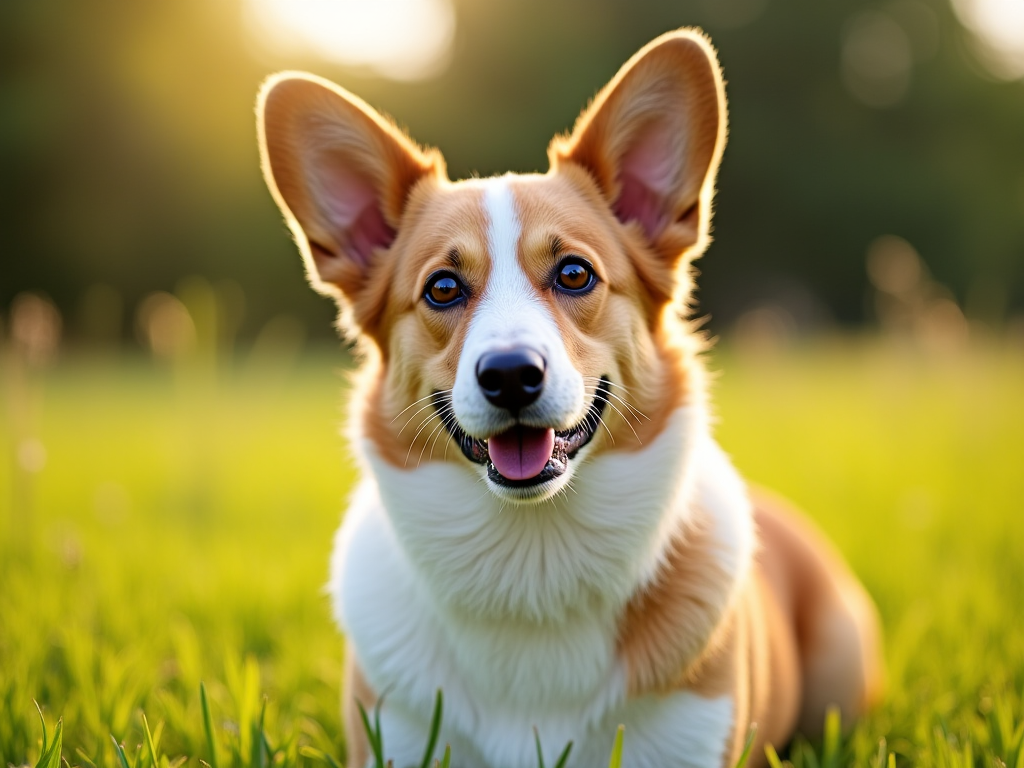
How the Double Coat Works: Insulation, Not Obstruction
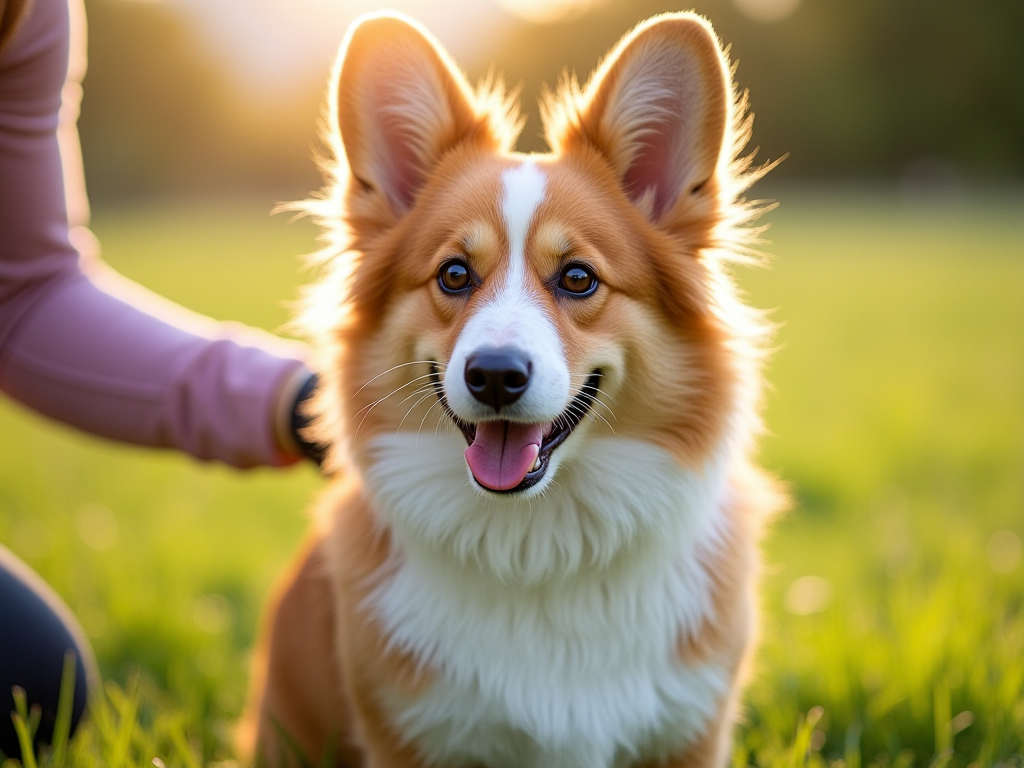
The Corgi’s double coat is a marvel of natural engineering, consisting of two distinct layers that work together year-round. The undercoat is soft, dense, and fluffy—this layer provides insulation by trapping air close to the skin. The outer layer, called the guard coat, comprises tougher, longer hairs that repel dirt, water, and UV rays.
As noted in industry guidance, “The undercoat (soft/fluffy) insulates, while the guard coat (hard/tough) repels dirt and water.” This system doesn’t just keep them warm in winter; it also regulates temperature in summer by creating a buffer zone that prevents direct sun exposure on the skin. The guard hairs play a critical role in this protective function, making the double coat an essential adaptation for the breed’s original herding work in varied climates.
Shaving Disrupts Temperature Regulation, Making Dogs Hotter
A common misconception is that shaving a Corgi will help them cool down in summer. The opposite is true. Shaving removes the very insulation that keeps them comfortable.
Without the air buffer created by the double coat, the skin is exposed directly to environmental heat, causing the dog to absorb more warmth rather than less. Professional groomers consistently warn that “Shaving disrupts this, making them hotter rather than cooler.” Silverdale Grooming (2025) explains that the coat’s structure helps repel extra heat, and removing it forces the dog’s body to work harder to cool down, increasing the risk of heatstroke.
The Furologist (2023) reinforces this, stating that double-coated dogs can self-regulate heat effectively when their coat is intact. Shaving interferes with this natural mechanism, making summer heat more dangerous for Corgis.
The Critical Risks & Myths of Shaving a Double-Coated Dog
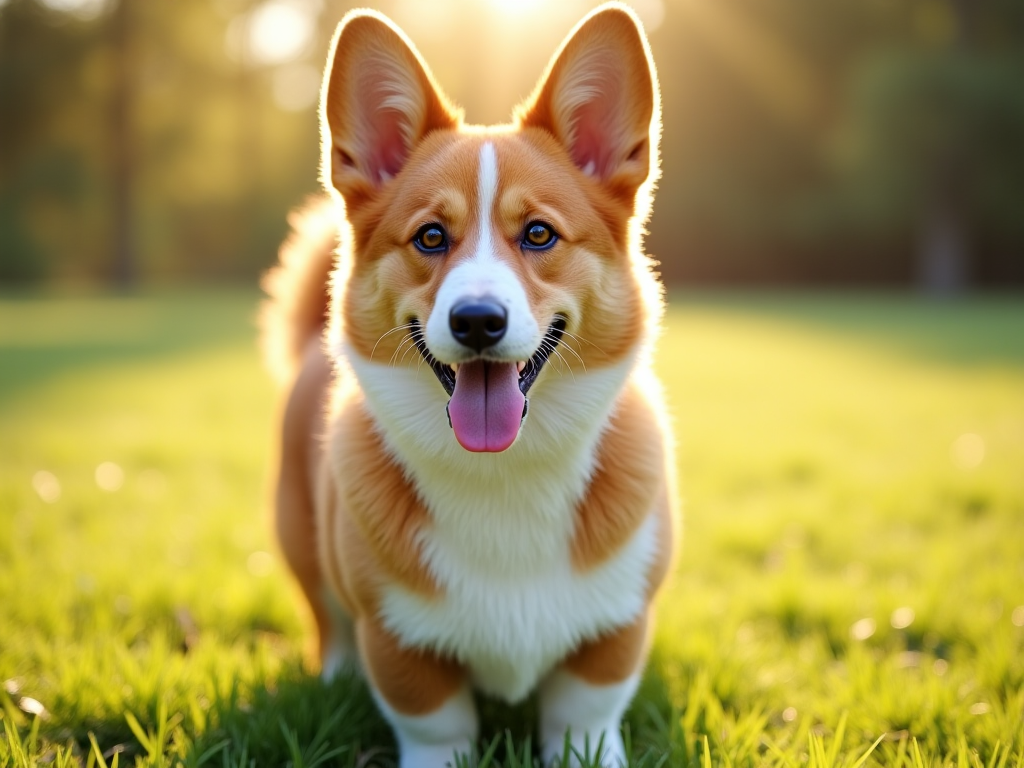
Myth: Shaving Stops Shedding. Fact: It Makes It Worse.
Many owners shave their Corgis believing it will reduce shedding. This is a dangerous myth.
Shaving does not stop shedding; it simply changes the nature of the shed hair. The undercoat continues to grow and shed, but now the hairs are shorter, sharper, and much harder to clean because they embed deeply into carpets, furniture, and clothing. The result is a more pervasive mess that requires constant vacuuming and lint-rolling.
As the data shows, “Shaving does not stop shedding; it just creates smaller, sharper, harder-to-clean hairs.” Gordon’s Grooming (2025) emphasizes that this practice does not stop shedding and actually makes cleanup harder. The practical consequences include:
- Increased hair infiltration into fabrics and air
- More frequent cleaning demands
- No actual reduction in the amount of hair lost
- Potential for skin irritation from sharp new growth
Permanent Coat Damage: Alopecia, Patchiness, and Texture Change
Shaving a Corgi’s double coat can cause irreversible damage to the hair follicles and the coat’s natural growth cycle. When the coat is shaved, especially repeatedly, it may never grow back to its original state. Common outcomes include patchy regrowth, abnormal thickness, and persistent matting.
The coat can become wiry, cottony, or excessively soft, losing its protective qualities. In severe cases, alopecia (hair loss) can occur due to follicle damage.
The mechanism involves disruption of the synchronized shedding and regrowth process that double-coated dogs rely on. Even if matting seems severe, shaving is not the solution; proper de-matting techniques and regular brushing are the correct approaches to maintain coat health without risking permanent alteration.
Health Hazards: Sunburn, Skin Cancer, and Irritation
Perhaps the most serious risk of shaving is the exposure of the dog’s sensitive skin to environmental hazards. The double coat acts as a natural sunscreen, shielding the skin from harmful UV radiation. Without it, Corgis are highly susceptible to sunburn, which can progress to skin cancer.
Additionally, the skin is more vulnerable to irritation from clipper blades (razor burn), hot spots from moisture trapped against the skin, and insect bites. The consensus among experts is clear: “Shaving exposes thin skin to direct sun (sunburn/cancer risk).” When asked “What not to do with double-coated dogs?”, the top answer from groomers and veterinarians is always shaving. This practice removes the dog’s built-in protection and can lead to chronic skin problems and increased cancer risk.
Safe & Effective Grooming Alternatives for Corgis

The Tool: Regular Brushing with an Undercoat Rake
The cornerstone of safe Corgi grooming is consistent, proper brushing. An undercoat rake is specifically designed to penetrate the topcoat and remove the loose, dead undercoat without cutting the guard hairs.
This process increases air circulation at the skin level, keeping the dog cooler and reducing shedding around the home. Follow this simple routine:
- Brush your Corgi 3-4 times per week, increasing to daily during peak shedding seasons (spring and fall).
- Use an undercoat rake on a completely dry coat, working in sections from the skin outward. The rake’s teeth grab and pull out the fluffy undercoat.
- Follow with a slicker brush to smooth the topcoat and remove any remaining loose hairs.
Important: Avoid tools like the Furminator, which can damage the guard coat if used aggressively, as noted in recent grooming advice. Consistent brushing is the most effective way to manage shedding while preserving the coat’s integrity. For top tool recommendations, see our guide to the best de-shedding brushes for Corgis.
Professional Bath & High-Velocity Dryer “Blowout”
For deeper coat maintenance, especially during heavy shedding periods, a professional bath and blowout is the gold standard. Groomers use a high-velocity dryer to forcefully remove the loosened undercoat after a bath. “Professional grooming with a high-velocity dryer removes the shedding undercoat without damaging the topcoat.” The process works because the bath softens the undercoat, and the powerful airflow blows it out while leaving the guard hairs intact. This service can remove up to 80% of the loose undercoat in one session.
It is recommended 2-4 times per year, typically aligned with seasonal shedding peaks. This method is far superior to shaving because it respects the coat’s structure and provides immediate relief from excessive shedding without any risk of permanent damage.
Sanitary Trims Only: What’s Safe to Clip
There are a few limited areas where clipping is acceptable and even beneficial for hygiene. “Only trim paw pads and sanitary regions; avoid removing the protective layer.” Specifically:
- Between the paw pads: trim hair that collects debris and ice.
- Around the sanitary area: for cleanliness.
- Possibly the feathering on the hind legs if it becomes excessively long and drags.
Never clip the back, sides, neck, or any part of the main coat. These areas must retain the full double coat for temperature regulation and skin protection. Even small trims in these areas can compromise the coat’s function.
If you’re unsure, consult a professional groomer who understands double-coated breeds.
Shaving a Corgi is not a grooming shortcut—it’s a health hazard that actually makes summer comfort worse by destroying the natural cooling system. The most surprising fact is that many owners think they’re helping, but they’re increasing their dog’s risk of heatstroke and skin cancer.
This week, take the correct action: purchase a quality undercoat rake from a reputable brand like Hertzko or Chris Christensen, and commit to a 10-minute brushing session every other day. For best results, schedule a professional blowout appointment before peak summer.
While you’re focusing on grooming, don’t forget the fundamentals of Corgi care—our guide to how to potty train a Corgi puppy fast can help you raise a well-behaved companion. For comprehensive information on all aspects of Welsh Corgi ownership, visit our dedicated Welsh Corgi category.