
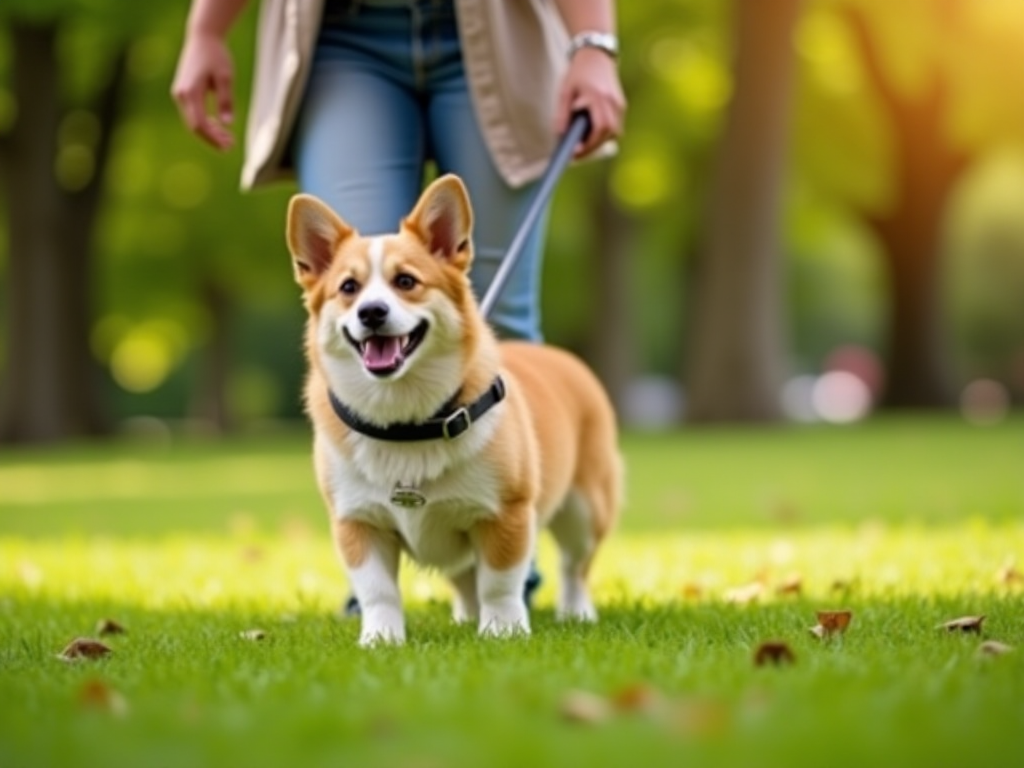
To help your corgi lose weight safely, reduce daily calories by 10-25%, switch to low-calorie high-fiber foods, and implement low-impact exercise like daily walks. This three-pillar approach protects your corgi’s vulnerable joints while promoting steady fat loss. Corgis are prone to back and hip problems, so rapid weight loss or high-impact exercise can cause serious injury.
Veterinary guidelines from 2026 emphasize gradual calorie reduction and joint-friendly activity as the only safe path to a healthier weight. Welsh Corgis, in particular, require careful management due to their long backs and predisposition to conditions like IVDD, making safe weight loss critical.
- Reduce daily calories by 10-25% using a kitchen scale—never rely on food bag guidelines.
- Swap high-calorie treats for green beans, carrots, or apple slices; use daily kibble for training rewards.
- Focus on low-impact exercise: 3-4 daily walks or swimming to protect hips and joints.
- Aim for 3-5% monthly weight loss; most corgis reach ideal weight in 6-8 months with consistent monitoring.
- Use the rib test to assess body condition: easily feel ribs but cannot count them.
The Safe Weight Loss Protocol: Diet, Exercise, and Monitoring

The foundation of safe corgi weight loss rests on three interconnected pillars: precise calorie control, strategic dietary swaps, and joint-protective activity. According to veterinary guidance, successful weight loss requires reducing daily caloric intake by 10%–25% while simultaneously increasing low-impact movement. This creates a sustainable calorie deficit without triggering hunger or joint stress.
The protocol must be gradual—rapid changes can cause metabolic imbalances or exacerbate existing joint conditions. Consistency over months, not weeks, yields lasting results.
Each pillar supports the others: proper feeding makes exercise effective, exercise boosts metabolism, and monitoring ensures you stay on track. Together, they form a complete system that addresses both the “calories in” and “calories out” equation while prioritizing your corgi’s long-term health.
Calorie Reduction: Portion Control and Food Measurement
Accurate food measurement is the single most critical factor in corgi weight loss. Food bag serving recommendations often lead to overfeeding because they assume average activity levels and ideal body condition. Most corgis, especially indoor pets, need significantly less.
The solution is a digital kitchen scale—not measuring cups or scoops, which vary widely in actual volume. Weigh each meal to the gram, starting with a 10-25% reduction from your current portion. For example, if you currently feed 200 grams daily, reduce to 180-160 grams initially.
Monitor weight every 2-3 weeks. If no loss occurs after this period, reduce portions by an additional 10%. This incremental approach prevents underfeeding while ensuring steady progress.
Veterinary nutritionists emphasize that precision matters: a 10% measurement error can mean 20-30 extra calories daily, which adds up to pounds over months. The kitchen scale eliminates guesswork and provides the consistency needed for safe, predictable weight loss.
Healthy Treat Alternatives and Low-Calorie Snacks
Treats frequently sabotage weight loss efforts because owners underestimate their caloric impact. Commercial dog biscuits and fatty human foods can contain 20-50 calories each—enough to negate a 10% calorie reduction. Replace these with low-calorie, high-fiber alternatives that add bulk without excess energy:
- Green beans (fresh or frozen, no salt): ~2 calories per bean
- Baby carrots: ~3 calories each
- Cucumber slices: ~1 calorie per slice
- Apple slices (core removed, no seeds): ~5 calories per slice
These options provide crunch and satisfaction while contributing fiber that promotes fullness. Additionally, allocate a portion of your dog’s daily kibble allowance for training rewards throughout the day. This “banking” system uses existing calories rather than adding new ones.
The American Society for the Prevention of Cruelty to Animals (ASPCA) specifically recommends green beans as a safe, low-fat snack that fills dogs up without adding fat. Avoid all table scraps, biscuits, and “people food” treats—even small amounts of cheese or meat can add significant calories. Remember: treats should never exceed 10% of total daily calories during a weight loss program.
Low-Impact Exercise Routines for Joint Health
Exercise for an overweight corgi must balance calorie burn with joint protection. High-impact activities like running, jumping, or long hikes can strain hips and spines, potentially causing injury. Instead, focus on frequent, low-intensity sessions:
- Daily walks: 3-4 short walks (10-15 minutes each) rather than one long walk. This maintains metabolism without overloading joints.
- Swimming: Zero-impact resistance that builds muscle while burning calories. If accessible, 2-3 sessions weekly are ideal.
- Puzzle feeders: Interactive bowls that slow eating and require mental/physical effort to access food. These increase activity by 15-20% during meals and reduce begging behavior.
The American Kennel Club (AKC) advises starting obese dogs with just 5-10 minutes of walking twice daily, gradually increasing as weight comes off. Avoid forced exercise—let your corgi set the pace.
Signs of overexertion include heavy panting, lagging behind, or stiffness the next day. Consistency matters more than intensity: regular movement improves insulin sensitivity and muscle tone, supporting sustainable weight loss without risking injury.
Tracking Progress and Adjusting Your Plan
Objective tracking prevents guesswork and keeps weight loss on schedule. Weigh your corgi on a bathroom scale every 2-3 weeks, ideally at the same time of day (morning before eating). Record weights in a log.
Healthy loss targets 3-5% of current body weight per month. For a 30-pound corgi, this equals 0.9-1.5 pounds monthly. If after 2-3 weeks there is no change, reduce daily food by another 10%.
Do not adjust exercise yet—diet is the primary lever. Patience is essential: significant weight loss takes 6-8 months for most corgis. VCA Hospitals notes that faster loss risks muscle wasting and nutritional deficiencies.
Celebrate non-scale victories too: improved energy, easier breathing, or a more visible waistline. If weight loss stalls despite strict adherence, consult your veterinarian to rule out medical conditions like hypothyroidism. The adjustment cycle—weigh, evaluate, tweak portions—creates a feedback loop that ensures continuous progress.
Is Your Corgi Overweight? Ideal Weight and Body Condition Scoring

Determining whether your corgi is overweight requires more than checking a breed standard weight chart. Corgis vary significantly in frame size between Pembroke and Cardigan varieties, and even within breeds. A 40-pound corgi may be perfectly healthy if lean and muscular, while a 25-pound corgi could be obese if carrying excess fat.
The key is body condition, not just scale weight. Many owners mistakenly focus on a single number, but fat distribution and muscle mass matter more. A corgi with a thick coat may look heavier than they are, while a thin-coated individual might hide fat deposits.
Use a combination of visual assessment, rib test, and weight trends over time. If unsure, your veterinarian can perform a professional body condition score (BCS) on a 1-9 scale, with 4-5 being ideal.
Remember: corgis are prone to obesity because they love food and have lower metabolic rates than active breeds. Regular monitoring is non-negotiable for long-term health.
Breed-Specific Weight Ranges: Why 40 Pounds May or May Not Be Overweight
The misconception that all corgis should weigh 20-25 pounds causes many owners to misjudge their pet’s condition. In reality, Pembroke Welsh Corgis typically weigh 22-30 pounds, while Cardigan Welsh Corgis are larger, often 30-40 pounds or more for big-framed individuals, highlighting variations within the Welsh Corgi breed. The Daily Corgi emphasizes that frame size—not breed label alone—determines healthy weight.
A large-boned Cardigan with significant muscle mass may carry 40 pounds without an ounce of fat, appearing solid and athletic. Conversely, a small-framed Pembroke at 30 pounds could be obese if sedentary. What matters is leanness: the waist should tuck visibly behind the ribs when viewed from above, and the abdomen should rise slightly toward the hips from the side.
Do not compare your corgi to others; assess them individually. If your veterinarian confirms your corgi is overweight, the ideal weight target will be lower than current weight, regardless of breed averages. Focus on reaching a condition where ribs are palpable but not visible, and a waist exists.
The Rib Test: How to Check Your Corgi’s Body Condition at Home
The rib test is a simple, reliable method to assess body fat between veterinary visits. Follow these steps monthly:
- Position: Have your corgi stand naturally. Place both thumbs along the spine at the shoulder blades.
- Feel: Run your fingers outward and down along the ribcage, applying gentle pressure.
- Interpret:
- Ideal weight: You can easily feel each rib with a thin layer of fat covering, but you cannot count them individually without pressing firmly.
- Overweight: Ribs are difficult to feel under a thick fat layer; you must press hard to detect them.
- Underweight: Ribs are prominent, sharp, and easily counted with no fat padding; hip bones also visible.
- Check other areas: Look from above for a waist tuck; from the side, the abdomen should slope upward from the ribcage to the hips.
This physical check complements scale weight. A corgi weighing 35 pounds with easily felt ribs is likely healthier than a 28-pound corgi with ribs impossible to feel. The rib test accounts for muscle mass and frame size, making it superior to weight alone.
Perform it consistently—once per month—to track changes as weight loss progresses. If you struggle to feel ribs correctly, ask your veterinarian to demonstrate during your next visit.
Realistic Timelines and Common Weight Loss Mistakes

Weight loss for corgis is a marathon, not a sprint. Safe, sustainable loss requires months of consistent effort, and many owners sabotage their progress with well-intentioned but harmful shortcuts. Understanding realistic timelines and avoiding common pitfalls separates success from frustration.
The two most frequent mistakes—over-treating and over-exercising—directly contradict the safe protocol outlined earlier. Treats add hidden calories that create a “calorie creep” even when meals are measured.
Over-exercising, especially early in the process, risks joint injury that can set back progress by weeks or months. By recognizing these errors and setting proper expectations, you position your corgi for long-term success without compromising health.
How Long Should Weight Loss Take? 3-5% Monthly Loss Expectations
Healthy weight loss in dogs follows a conservative pace: 3-5% of current body weight per month. This rate ensures fat loss without muscle wasting or nutritional deficiencies. For a 35-pound corgi, expect to lose 1-1.75 pounds monthly.
At this rate, reaching an ideal weight of 25 pounds would take approximately 6-8 months. Factors influencing the timeline include:
- Starting weight: Heavier dogs may lose faster initially, then plateau.
- Age: Older corgis have slower metabolisms and may need 3-4% monthly targets.
- Metabolism: Individual variation exists; some corgis lose steadily, others have stubborn periods.
- Compliance: Strict adherence to portion control and treat restrictions accelerates results.
Rapid loss (>10% monthly) is dangerous, potentially causing hepatic lipidosis (fatty liver) or electrolyte imbalances. The American College of Veterinary Nutrition warns that crash diets fail long-term and often lead to rebound weight gain. Patience is not just virtuous—it’s medically necessary.
Track progress every 2-3 weeks; if loss exceeds 5% monthly, slightly increase calories. If below 3% after a month of strict compliance, reduce portions another 10% and reassess.
Pitfalls to Avoid: High-Calorie Treats and Over-Exercising
Two errors derail most corgi weight loss attempts:
1. High-Calorie Treats
Treats often constitute 20-30% of a corgi’s daily caloric intake, yet owners rarely account for them. A single “training treat” can be 5-10 calories; a handful of biscuits adds 50-100 calories—equivalent to an entire meal’s reduction.
This hidden intake creates a calorie surplus despite measured meals. Table scraps are especially problematic: a piece of cheese or chicken skin packs dense fat. The solution is absolute: eliminate commercial treats and human food entirely during the weight loss phase.
Use only the low-calorie alternatives listed earlier, and deduct their calories from the daily kibble allowance. If you must use higher-value rewards for training, reduce the next meal accordingly.
2. Over-Exercising
Overweight corgis have compromised joint health. Forcing long walks, runs, or strenuous play on an obese dog can cause muscle strains, exacerbate hip dysplasia, or trigger IVDD episodes.
The AKC notes that forced, high-impact exercise is a leading cause of injury in obese dogs attempting to lose weight. Instead, start with 5-10 minute walks twice daily, increasing duration only as weight comes off. Let your corgi set the pace—stop if they lag or pant excessively.
Swimming is safer because water supports body weight, eliminating impact. Remember: exercise alone cannot compensate for overfeeding.
Diet is 70-80% of weight loss success; exercise is the supplement that improves fitness and muscle tone. Prioritize consistency and safety over intensity.
Today, buy a $15 kitchen scale, perform the rib test, and cut treats by 50% while increasing walks to 3-4 short sessions. Then consult your vet to confirm the ideal weight target and rule out underlying conditions. Many owners focus obsessively on exercise while ignoring treat calories—the hidden culprit that accounts for up to 30% of daily intake. By measuring food precisely and swapping treats for green beans, you create a calorie deficit without deprivation.
Combine this with gentle, frequent walks and regular weigh-ins, and your corgi will reach a healthier weight in 6-8 months. The surprising truth?
Most corgis lose weight not by dramatic changes, but by consistent, small adjustments that protect their joints while steadily burning fat. Start now—your corgi’s longevity depends on it.
Frequently Asked Questions About How To Help Your Corgi Lose Weight Safely

Is a 40-pound corgi overweight?
Some corgis should be 20lbs, some that have big frames should be 40lbs. But that should NOT be fat!
Use the Rib Test: holding your thumbs on the dog's spine, run your other fingers along the ribs. Cor…
How long does it take for a corgi to lose weight?
Healthy weight loss for dogs typically ranges from 3% to 5% of their current body weight per month, depending on the dog's age, size, and overall condition. Most dogs will reach their ideal weight wit…
Is 40 pounds heavy for a corgi?
Some corgis should be 20lbs, some that have big frames should be 40lbs. But that should NOT be fat!
Use the Rib Test: holding your thumbs on the dog's spine, run your other fingers along the ribs. Cor…