Grooming a Welsh Corgi at home requires a consistent routine of brushing, bathing, and nail care to manage their thick double coat and prevent excessive shedding. The process involves specific tools and techniques, and it’s critical to never shave a Corgi. This guide walks you through each step.
- Brush your Corgi weekly with an undercoat rake and slicker brush to remove dead undercoat and reduce shedding.
- Bathe your Corgi monthly using dog-safe shampoo, and always blow-dry while brushing to prevent mats.
- Never shave your Corgi—it damages their double coat and can cause permanent coat problems.
The Step-by-Step Guide to Grooming Your Welsh Corgi at Home
The 7-Step Grooming Process: From Preparation to Final Check
Start with proper preparation to ensure a smooth grooming session. Gather all necessary tools before bringing your Corgi to the grooming area: a slicker brush, undercoat rake, metal medium-toothed comb, dog-safe shampoo, towels, a low-heat blow dryer, nail clippers, ear cleaning solution, and a toothbrush with dog toothpaste. Having everything within reach prevents stress and keeps the process efficient.
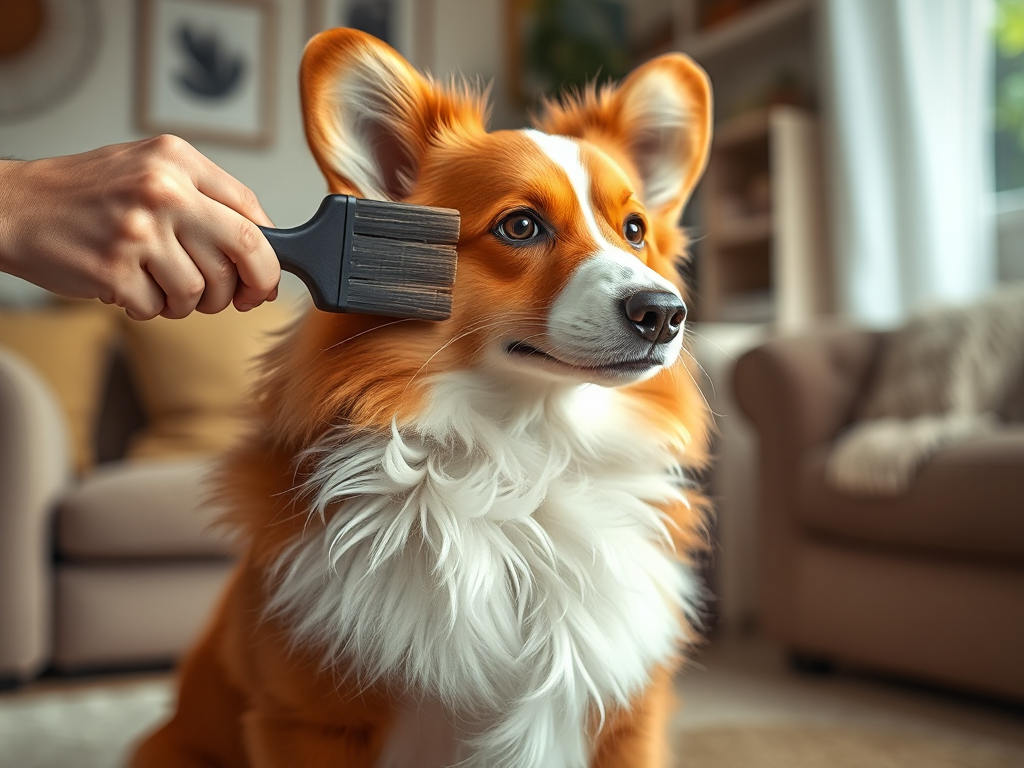
Step 1: Brush thoroughly using the undercoat rake first to remove loose undercoat, followed by the slicker brush to detangle the topcoat. Work in sections from head to tail, always brushing in the direction the coat grows or at a right angle to growth. Pay special attention to problem areas behind the ears, under the legs, belly, and hindquarters where mats commonly form.
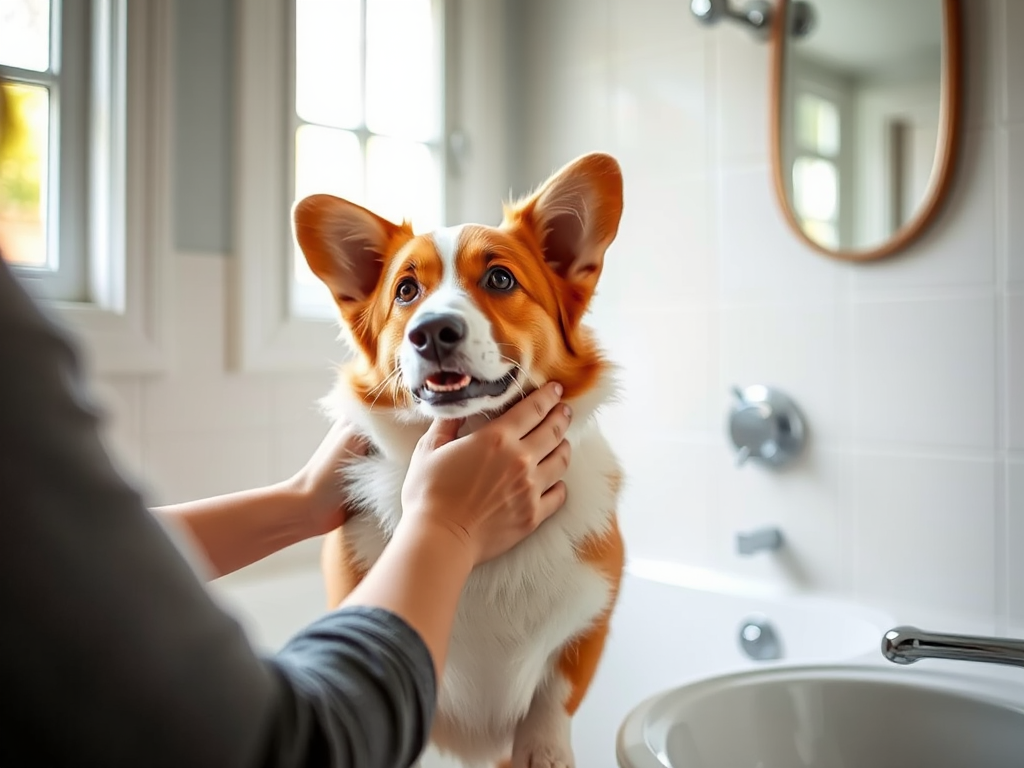
Step 2: Bathe with shampoo by thoroughly wetting the coat with lukewarm water. Apply dog-safe shampoo and massage it down to the skin using gentle circular motions.
This deep cleansing action removes dead undercoat and debris. Avoid the face, eyes, and ear canals.
Step 3: Rinse completely until all shampoo residue is gone. Any leftover product can cause skin irritation and coat dullness.
Step 4: Towel-dry by gently squeezing water from the coat, then immediately blow-dry while brushing on a low-heat setting. This combination prevents tangles from forming as the coat dries and speeds up the drying process significantly. Keep the blow dryer moving constantly to avoid overheating any spot.
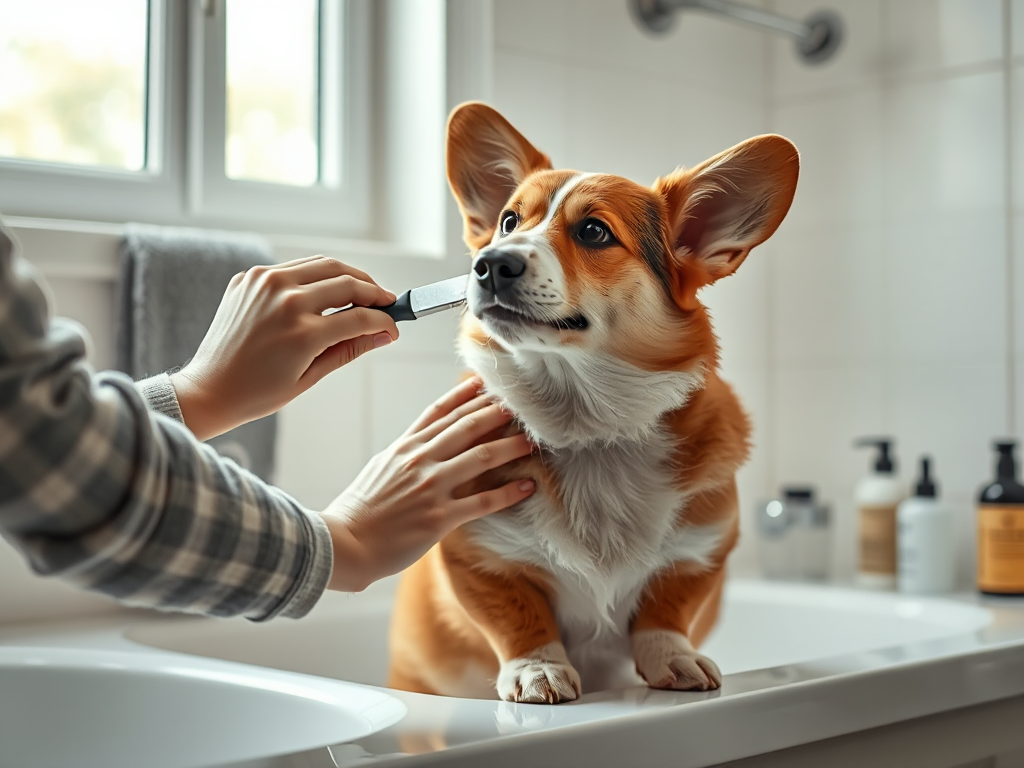
Step 5: Trim nails using guillotine or scissor-style clippers. Cut only the tip of the nail, avoiding the pink quick area that contains blood vessels. Have styptic powder ready in case of accidental bleeding.
Step 6: Clean ears with a veterinarian-approved ear cleaning solution. Apply to a cotton ball and gently wipe the visible inner ear area. Never insert anything into the ear canal.
Step 7: Brush teeth using a dog toothbrush and toothpaste. Start with short sessions, focusing on the gum line where plaque accumulates most.
Step 8: Final check for any remaining mats, skin issues, or areas needing touch-up. This ensures your Corgi is completely groomed and comfortable.
Why You Should Never Shave a Corgi
Shaving a Corgi is one of the most damaging grooming mistakes an owner can make. Corgis have a double coat consisting of a soft, dense undercoat and a harsh, protective topcoat. Shaving removes the topcoat guard hairs while leaving the undercoat, which is not designed to provide protection.
The result is a patchy, scruffy appearance that can become permanent. The undercoat grows back differently and may never return to its original texture. More importantly, you strip the dog of its natural ability to regulate temperature—the double coat keeps them cool in summer by trapping air next to the skin and warm in winter by providing insulation.
Shaving disrupts this natural system and can lead to overheating or chilling. Once you shave a Corgi, you often create a cycle where the coat grows back improperly, requiring continuous shaving. The damage extends beyond appearance to affect the dog’s health and comfort for life.
Now that you understand the complete grooming sequence and the critical rule about shaving, let’s dive deeper into the most important aspect: managing that thick double coat through proper brushing.
Brushing Your Corgi’s Double Coat: Tools, Techniques, and Shedding Management
Corgis are shedders. They shed an insane amount because they are a double-coated dog breed. Their coat consists of two distinct layers: a soft, thick undercoat that provides insulation, and a harsh, longer topcoat that repels water and protects the skin.
Both layers shed continuously, but the undercoat comes out in massive quantities during seasonal changes—typically spring and fall. Without regular brushing, dead undercoat accumulates and forms mats, which pull on the skin and cause discomfort. Mats also trap moisture and bacteria, leading to skin infections.
Brushing removes loose hair before it can mat and distributes natural skin oils throughout the coat, keeping it healthy and reducing the amount of hair that ends up on your furniture. Weekly brushing is the minimum requirement; during peak shedding seasons, daily sessions may be necessary to keep up with the volume of loose fur.
Essential Brushing Tools: Slicker Brushes, Undercoat Rakes, and Combs
Effective Corgi grooming requires the right tools, each serving a specific purpose:
- Slicker brush: This is your primary tool for daily maintenance. The fine, bent wire bristles catch loose hair and detangle the topcoat without irritating the skin. Use it after the undercoat rake to smooth the coat and remove any remaining loose fur.
- Undercoat rake: The undercoat rake is the best de-shedding brush for Corgis, specifically designed to penetrate the thick double coat and pull out dead undercoat. The wide-spaced teeth grab clumps of loose hair without damaging the topcoat. This tool is essential during shedding season when the undercoat comes out in large quantities.
- Metal medium-toothed comb: Used for detail work and checking for hidden mats. The metal teeth are strong enough to work through thick fur without bending. After brushing, run the comb through the coat—if it catches, you have a mat that needs attention.
- Slicker brush: This is your primary tool for daily maintenance. The fine, bent wire bristles catch loose hair and detangle the topcoat without irritating the skin. Use it after the undercoat rake to smooth the coat and remove any remaining loose fur.
- Undercoat rake: Specifically designed to penetrate the thick double coat and pull out dead undercoat. The wide-spaced teeth grab clumps of loose hair without damaging the topcoat. This tool is essential during shedding season when the undercoat comes out in large quantities.
- Metal medium-toothed comb: Used for detail work and checking for hidden mats. The metal teeth are strong enough to work through thick fur without bending. After brushing, run the comb through the coat—if it catches, you have a mat that needs attention.
Using these tools in combination—undercoat rake first, then slicker brush, followed by a comb check—ensures thorough grooming and prevents the most common problem: mats forming in areas you can’t see.
Proper Brushing Technique: Direction, Frequency, and Problem Areas
The technique matters as much as the tools. Always brush in the direction the coat grows or at a right angle to the growth.
Never back-brush (going opposite to hair growth) except in very specific show grooming situations, as it can damage the hair cuticle and cause split ends. Use gentle, firm strokes—pressing too hard irritates the skin, while brushing too lightly doesn’t remove the dead undercoat effectively.
Brush your Corgi at least once per week as a baseline. During heavy shedding periods in spring and fall, increase to daily sessions. This frequency prevents massive undercoat buildup and makes each session quicker and more effective.
Focus extra attention on mat-prone areas: behind the ears where fur is thicker, under the front and back legs, the belly, and the hindquarters. These spots have more friction and less air circulation, creating perfect conditions for mats. When you encounter a mat, don’t pull.
Instead, use your fingers to gently separate the hairs, then work the brush or comb through gradually from the edges inward. For severe mats close to the skin, professional help may be needed to avoid cutting the skin.
De-shedding Treatments: Shampoos, Conditioners, and Professional Tips
During bathing, de-shedding shampoos and conditioners significantly enhance hair removal. Look for products containing ingredients like omega fatty acids or oatmeal that loosen the undercoat. Apply the shampoo, massage thoroughly, then rinse.
Follow with a de-shedding conditioner, let it sit for 3-5 minutes, then rinse. This combination allows the undercoat to release more easily during the subsequent brushing.
For Corgis with extreme shedding, consider professional de-shedding treatments seasonally. Groomers use specialized products and techniques that can remove up to 90% of loose undercoat in one session.
These treatments cost more than regular grooming but extend the time between baths and reduce home cleaning dramatically. Even with professional help, maintain weekly brushing at home to keep shedding under control.
Bathing, Drying, and Nail Care: Best Practices for a Healthy Coat
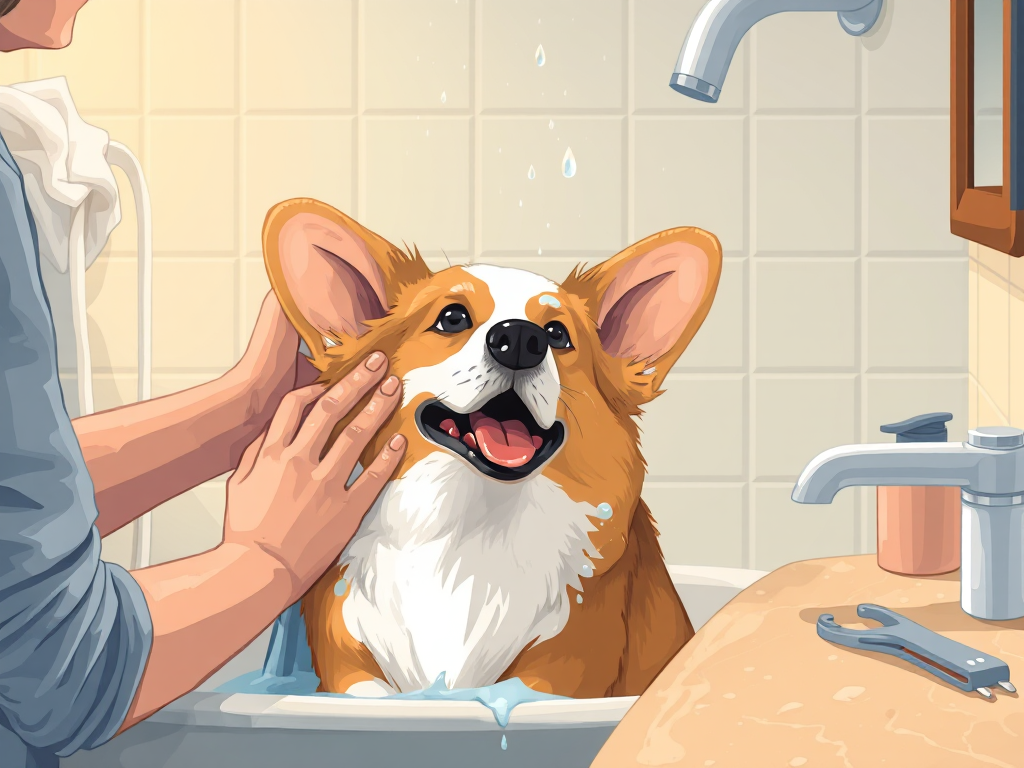
Bathing Your Corgi: Frequency, Shampoo, and Technique
Bathe your Corgi approximately once per month, or more frequently if they get particularly dirty. Over-bathing strips natural oils and can dry out the skin, so monthly is sufficient for most dogs. Always use dog-safe shampoo—human shampoo has a different pH and can cause skin irritation and dryness.
The bathing technique is crucial for effective cleaning. Start by thoroughly wetting the coat with lukewarm water, ensuring water reaches the skin. Apply shampoo and massage it down to the skin using your fingertips in circular motions.
This deep massage action loosens dead undercoat and removes dirt trapped near the skin. Pay attention to the underbelly, tail base, and hindquarters where debris accumulates. Rinse completely—any shampoo residue causes itching and coat dullness.
For dogs with itchy skin, a diluted apple cider vinegar rinse (1:1 ratio of vinegar to water) after shampooing can soothe irritation and restore skin pH balance. Apply the rinse, let it sit for 1-2 minutes, then rinse with clean water. Follow with a conditioner if the coat feels dry or brittle, especially in winter.
Drying: Towel-Dry vs. Blow-Dry for Best Results
Drying method significantly impacts the final coat condition. Towel-drying is quick and simple: vigorously squeeze water from the coat with a clean, absorbent towel.
However, towel-drying often leaves damp spots deep in the undercoat. These moist areas become breeding grounds for bacteria and can cause mats to form as the coat air-dries.
Blow-drying is the superior method for Corgis with their thick double coats. Use a low-heat setting (never high heat, which can burn the skin) while simultaneously brushing with a slicker brush. Keep the blow dryer moving constantly, holding it 6-8 inches from the coat.
This combination does three things: it prevents tangles from forming as the hair dries, it speeds up drying time significantly, and it helps remove additional loose undercoat that the bath loosened. The brushing action during drying is essential—without it, the coat can dry in clumps that later need to be cut out. For best results, towel-dry first to remove excess water, then blow-dry until the coat is completely dry to the skin.
Nail Trimming: Monthly Maintenance for Healthy Paws
Trim your Corgi’s nails approximately once per month. Regular trimming prevents nails from growing too long, which can cause discomfort, affect gait, and even lead to joint problems over time.
Use guillotine or scissor-style clippers designed for dogs. Guillotine clippers work by inserting the nail into a hole and squeezing; scissor clippers operate like regular scissors and are better for thick nails.
The key is to avoid the quick—the pink, blood-rich area inside the nail that extends down from the base. Cutting the quick causes pain and bleeding. In light-colored nails, the quick is visible as a pink triangle from the side.
In dark nails, take off only small amounts at a time (2-3 mm) and check the cut surface—you’ll see a dark circle in the center when you’re approaching the quick. Stop before reaching it. Have styptic powder or cornstarch ready to stop bleeding if you accidentally cut the quick.
Apply pressure with a clean cloth first, then sprinkle powder if bleeding continues. If you’re uncomfortable trimming nails yourself, a professional groomer or veterinarian can do it quickly and safely for a small fee.
Why Groomers Spray Vinegar: Natural Relief for Itchy Skin
Apple cider vinegar is a common grooming rinse for dogs with itchy, inflamed skin. The acidic nature of ACV creates an environment where harmful bacteria and yeast struggle to survive, while soothing the inflammation that drives constant scratching. It’s a natural alternative to harsh chemical treatments.
To use safely, dilute apple cider vinegar with equal parts water (1:1 ratio). After shampooing and rinsing, apply the diluted vinegar to the coat, avoiding the eyes. Massage gently into the skin, particularly in areas where itching is worst, then let it air-dry or rinse lightly with water if your dog is sensitive to the smell.
The vinegar scent dissipates as the coat dries. This treatment can provide relief within a few applications and helps restore the skin’s natural pH balance. Always patch test first on a small area to ensure no adverse reaction, and never use undiluted vinegar, which can cause stinging and dryness.