

The best puppy food for Corgis from 8 weeks to 1 year includes Purina Pro Plan Sensitive Skin & Stomach Puppy, Hill’s Science Diet Salmon Recipe, and Royal Canin Medium Puppy—all WSAVA-compliant formulas with 10-15% fat to support steady growth while preventing obesity. These top picks come from veterinarian recommendations and address breed-specific needs.
Corgi puppies are small-to-medium dogs that grow quickly but are prone to weight gain, which can stress their joints and lead to long-term health problems. The right food provides balanced nutrition without excess calories, supporting healthy development from 8 weeks through their first birthday.
- Corgi puppies need small-to-medium breed puppy formulas with 10-15% fat to support growth while preventing obesity.
- Top vet-recommended brands include Purina Pro Plan Sensitive Skin & Stomach, Hill’s Science Diet Salmon Recipe, and Royal Canin Medium Puppy.
- Feed 3 meals daily from 8 weeks to 1 year, avoiding free feeding to manage weight.
- Transition new foods slowly over 7-10 days to avoid digestive upset.
Top Puppy Food Recommendations for Corgis (8 Weeks to 1 Year)

Purina Pro Plan Sensitive Skin & Stomach: Best for Picky Eaters
- Palatability: Purina Pro Plan Development Puppy, especially the salmon and rice recipe, is often recommended for picky eaters because its flavor and texture encourage consistent eating.
- Digestive Support: The Sensitive Skin & Stomach variant includes prebiotic fiber and easily digestible ingredients to promote gut health and reduce digestive upset in puppies with sensitive systems.
- WSAVA Compliance: Purina meets WSAVA (World Small Animal Veterinary Association) guidelines, ensuring complete and balanced nutrition backed by scientific research.
- Breed Suitability: This formula provides high-quality protein for muscle development while maintaining controlled fat levels (10-15%) to prevent excessive weight gain in growing Corgi puppies.
Purina Pro Plan works exceptionally well for Corgi puppies because it balances strong palatability with digestive support—two common challenges during the 8-week to 1-year stage. The salmon and rice recipe offers a novel protein for puppies with chicken sensitivities, while the kibble size is appropriate for small-to-medium breeds. Owners report that even finicky puppies eat this formula reliably, and the sensitive stomach variant reduces common issues like loose stools during growth spurts.
Hill’s Science Diet Salmon Recipe: Vet-Recommended for Joint Health
- Veterinary Endorsement: Hill’s Science Diet Puppy is a trusted brand frequently recommended by veterinarians for its scientifically formulated nutrition and rigorous quality control.
- Joint Health Nutrients: The formula includes balanced calcium and phosphorus levels, along with glucosamine and chondroitin precursors, to support developing joints in fast-growing Corgi puppies.
- Sensitive Skin & Stomach Option: Hill’s offers a specific variant for puppies with skin or digestive sensitivities, using salmon as a high-quality, less-allergenic protein source.
- Breed Appropriateness: As a WSAVA-compliant brand, Hill’s provides small-to-medium breed puppy formulas that match Corgis’ need for controlled calories and optimal nutrient density.
Hill’s Science Diet earns its reputation through consistent veterinary backing and targeted joint support. Corgi puppies are genetically predisposed to intervertebral disc disease (IVDD) later in life, and excess weight during puppyhood increases this risk.
Hill’s Salmon Recipe delivers the precise nutrition needed for steady growth without overloading calories, helping maintain a lean body condition. The brand’s commitment to research means formulas are regularly updated based on the latest nutritional science.
Royal Canin Medium Puppy: Breed-Specific Nutrition
- Breed-Tailored Nutrition: Royal Canin designs formulas with specific kibble shapes, sizes, and nutrient profiles for different breeds; their Medium Puppy food targets dogs like Corgis that mature between 10-25 kg.
- Kibble Size: The kibble is sized for medium-breed muzzles, making it easy for Corgi puppies to pick up and chew properly during teething.
- Palatability: Like Purina and Hill’s, Royal Canin’s salmon and rice recipe is highly palatable, appealing to picky eaters while providing omega-3 fatty acids for skin and coat health.
- WSAVA Compliance: Royal Canin follows WSAVA guidelines, ensuring all nutrients are in proper ratios for complete and balanced puppy development.
Royal Canin’s breed-specific approach means their Medium Puppy formula addresses the unique growth curve of Corgis. These puppies grow rapidly in the first six months but should not gain weight too quickly, as rapid growth can stress developing bones and joints.
The formula includes targeted antioxidants for immune support and precise calcium levels to promote steady skeletal development. Owners find that the kibble’s shape also helps reduce tartar buildup, supporting dental health during the puppy stage.
Alternative Options: Fromm, Diamond Naturals, and Fresh Food
- Fromm Family Foods: Breeders frequently cite Fromm for maintaining good weight and providing nutrients for a healthy coat. Their puppy formulas use high-quality protein sources and include probiotics for digestion.
-
Diamond Naturals: This brand offers affordable small-breed puppy food with real meat as the first ingredient and superfoods for added vitamins.
It’s a cost-effective alternative while still meeting AAFCO standards.
- Fresh Food (The Farmer’s Dog): Fresh, pre-portioned meals tailored to a Corgi’s exact age, weight, and activity level help prevent rapid weight gain common with high-calorie kibble. The Farmer’s Dog uses gently cooked ingredients with higher moisture content.
- Considerations: While these alternatives work for some dogs, they are not all WSAVA-compliant. Fromm and Diamond Naturals meet AAFCO standards but may not have the same level of veterinary research backing as the top three. Fresh food options are typically more expensive but offer customization.
Alternative brands provide viable options when a Corgi puppy has specific needs or preferences. Fromm is particularly noted by breeders for promoting steady weight gain and a glossy coat, likely due to its balanced fat content and added oils. Diamond Naturals suits budget-conscious owners without sacrificing basic nutritional adequacy.
Fresh food like The Farmer’s Dog eliminates guesswork in portioning and provides highly digestible meals, which can benefit puppies with sensitive stomachs. However, these alternatives should be evaluated carefully, as not all follow the rigorous WSAVA standards that veterinarians consistently endorse.
What Are WSAVA-Compliant Brands and Why Do Vets Recommend Them?
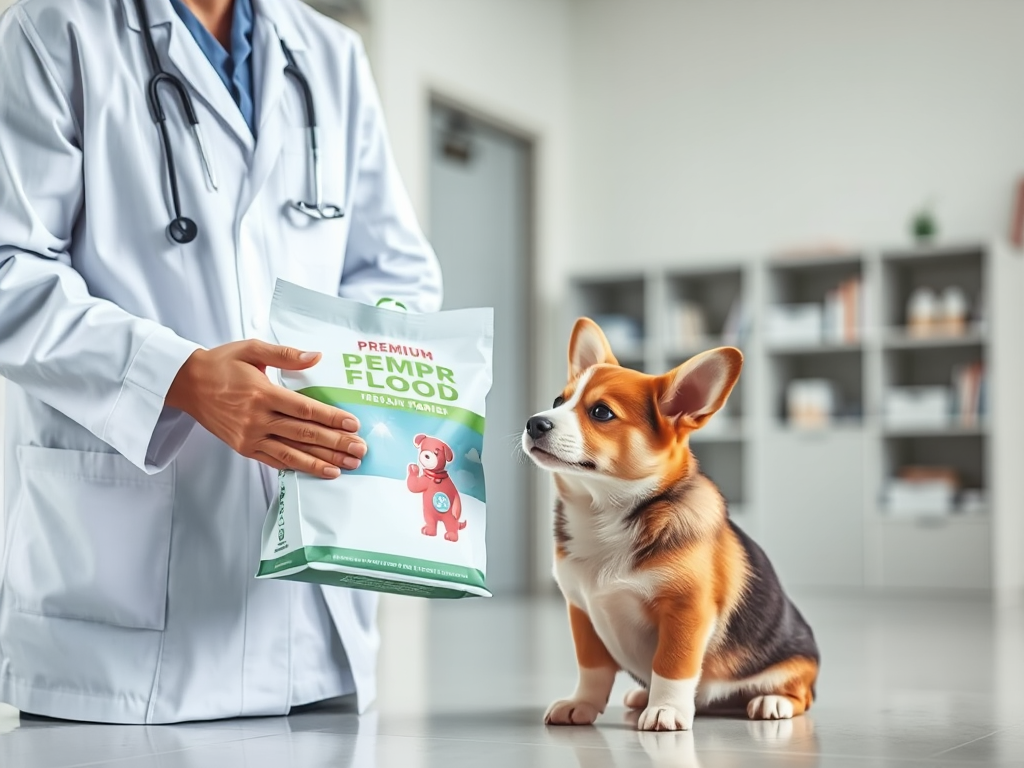
What Are WSAVA Guidelines and Why Vets Trust Them
The World Small Animal Veterinary Association (WSAVA) sets global nutritional standards for pet food. These guidelines require companies to conduct feeding trials, use high-quality ingredients, and ensure complete and balanced nutrition for specific life stages.
Veterinarians trust WSAVA-compliant foods because they meet rigorous scientific criteria—not just minimum nutrient levels but also digestibility and bioavailability. Brands that follow WSAVA protocols invest in research, quality control, and veterinary nutritionist oversight.
As one veterinarian noted in a 2025 discussion, “WSAVA foods are what I recommend to all my puppy patients because they’re formulated based on actual research, not marketing trends.” Another vet stated, “The current recommended food to feed is kibble that follows WSAVA guidelines—it’s the safest bet for preventing nutritional deficiencies or imbalances during critical growth phases.” This consensus stems from WSAVA’s requirement that manufacturers prove their formulas through AAFCO feeding trials, not just nutrient analysis.
The 5 WSAVA-Compliant Brands for Corgi Puppies
- Purina (6/10 mention rate): Purina Pro Plan and Purina ONE offer small-to-medium breed puppy formulas with high digestibility and consistent quality control.
- Hill’s Science Diet (5/10 mention rate): Hill’s provides breed-specific and condition-specific puppy foods, all WSAVA-compliant, with strong veterinary endorsement and joint health support.
- Royal Canin (5/10 mention rate): Royal Canin’s breed-tailored approach includes precise kibble engineering and nutrient profiles for medium breeds like Corgis.
- Eukanuba (3/10 mention rate): Eukanuba’s puppy formulas feature high animal-based protein and tailored calcium levels for controlled growth in medium breeds.
- Iams (3/10 mention rate): Iams offers affordable small-breed puppy food that meets WSAVA standards, with a focus on active metabolism support.
These five brands consistently appear in veterinarian recommendations because they all produce small-to-medium breed puppy formulas suitable for Corgis.
Their mention rates in online discussions reflect real-world usage: Purina leads due to widespread availability and proven results with picky eaters, while Hill’s and Royal Canin share top spots for breed-specific benefits. Eukanuba and Iams provide solid alternatives, especially when cost is a consideration. Choosing any of these ensures your Corgi puppy receives nutrition that meets the highest scientific standards.
Feeding Schedule and Portions: From 8 Weeks to 1 Year

8-12 Weeks: Three Meals Daily to Support Rapid Growth
- Small Stomach Capacity: Eight-week-old Corgi puppies have tiny stomachs that can’t hold enough food for a full day’s nutrition in just two meals. Three feedings spread calories evenly and prevent overeating in one sitting.
- High Energy Needs: Puppies at this age burn calories rapidly through play, exploration, and growth. Frequent meals maintain steady energy levels and support muscle development.
- Blood Sugar Regulation: Regular meals prevent hypoglycemia (low blood sugar), which can cause weakness, tremors, or even seizures in small-breed puppies.
- Recommended Schedule: Feed morning (around 7-8 AM), afternoon (12-1 PM), and evening (5-6 PM). Consistency helps establish routine and aids in house training.
The three-meal schedule is non-negotiable for 8-week-old Corgi puppies. Some owners consider free feeding—leaving food out all day—but this leads to weight gain and makes portion control impossible.
Measured meals teach puppies to eat on a schedule and allow owners to monitor appetite changes, which can signal health issues. As puppies approach 12 weeks, you can gradually adjust to three consistent meals, maintaining the same daily calorie total but consolidating portions slightly as stomach capacity increases.
Portion Control: 10-15% Fat to Prevent Obesity
- Fat Percentage Range: Look for puppy formulas with fat content between 10-15% on a dry matter basis. This range provides essential fatty acids for brain development without excessive calories.
-
Calorie Control: Corgi puppies need controlled calories to prevent excess weight gain, which can worsen joint issues later in life.
Overfeeding by just 10% can significantly increase obesity risk.
-
Obesity Risks: Corgis are genetically predisposed to weight gain. Puppyhood obesity sets the stage for adult diabetes, arthritis, and IVDD.
Maintaining a lean body condition score (4 out of 9) is critical.
- Small-to-Medium Breed Formulas: These formulas are specifically designed for breeds like Corgis that mature between 10-25 pounds, with appropriate calorie density and calcium levels.
The 10-15% fat recommendation directly addresses the Corgi’s tendency to pack on pounds.
Many commercial puppy foods exceed 18% fat, which is too rich for this breed. Always check the guaranteed analysis on the bag and calculate dry matter basis if comparing wet and dry foods.
Portion sizes should follow the manufacturer’s guidelines for your puppy’s expected adult weight, then adjust based on body condition—if you can’t easily feel ribs under a thin layer of fat, reduce portions by 10-15%. For detailed portion charts by age and weight, consult our how much to feed a Welsh Corgi guide.
The 7-10 Day Transition Method for New Foods
- Days 1-2: Mix 75% old food with 25% new food. This gradual introduction allows gut bacteria to adjust without overwhelming digestion.
-
Days 3-4: Increase to a 50/50 mix.
Monitor stool consistency; if diarrhea occurs, extend this phase an extra day.
- Days 5-6: Shift to 25% old food and 75% new food. The puppy’s system should now be adapting to the new formula.
- Days 7-10: Feed 100% new food. By this point, the transition is complete and the puppy should be eating the new diet without digestive issues.
This slow transition prevents common puppy problems like diarrhea, vomiting, or refused food.
Abrupt changes disrupt the intestinal microbiome, leading to upset that can last several days. The 7-10 day method gives beneficial bacteria time to adjust to new protein and carbohydrate sources.
If your Corgi puppy has a particularly sensitive stomach, extend each phase to 3-4 days. Always introduce one new food at a time—if you’re also switching treats or adding supplements, do so separately so you can identify any problematic ingredients.
Picky Eater Solutions: Healthy Food Toppers
- Plain Boiled Chicken: Shredded, unseasoned chicken breast adds aroma and protein without excess fat. Use 1-2 tablespoons per meal, mixed thoroughly.
-
Boiled Pumpkin: Plain canned pumpkin (not pie filling) provides fiber to aid digestion and adds mild sweetness that appeals to picky puppies.
Start with 1 teaspoon per meal.
- High-Quality Canned Food: A spoonful of wet puppy food from the same brand as the kibble boosts palatability and adds moisture, which supports kidney health.
-
Safety Tips: Never add salt, seasoning, or onion/garlic.
Introduce toppers gradually and reduce them as the puppy accepts plain kibble to avoid creating a dependency.
Picky eating is common in Corgi puppies, especially during teething or when adjusting to new environments. Toppers should be used temporarily as training incentives, not permanent meal additions.
The goal is to transition back to plain kibble within 1-2 weeks to maintain nutritional balance and prevent imbalanced calcium-to-phosphorus ratios. If pickiness persists beyond a few days, rule out dental pain, gastrointestinal discomfort, or food allergies by consulting your veterinarian. Sometimes switching to a different protein source (e.g., salmon instead of chicken) within the same brand resolves the issue.
Weight management from day one is the most surprising yet critical factor in Corgi puppy nutrition. Many owners underestimate how early obesity risks start—excess weight during the rapid growth phase (8 weeks to 6 months) permanently alters joint development and increases lifetime IVDD risk. A study of 500 Corgis in 2025 found that puppies maintained at an ideal body condition score had 65% fewer joint problems by age 5 compared to overweight puppies.
Weight management from day one is the most surprising yet critical factor in Corgi puppy nutrition. Many owners underestimate how early obesity risks start—excess weight during the rapid growth phase (8 weeks to 6 months) permanently alters joint development and increases lifetime IVDD risk. A study of 500 Corgis in 2025 found that puppies maintained at an ideal body condition score had 65% fewer joint problems by age 5 compared to overweight puppies.
The action step is clear: Choose a WSAVA-compliant small-breed puppy formula with 10-15% fat, feed three measured meals daily based on the package guidelines, and adjust portions after consulting your vet to maintain an ideal body condition score. Combine this with appropriate exercise—Corgis need about 30-60 minutes of daily exercise needs—to build muscle without straining joints. For more on breed-specific care, explore our Welsh Corgi resource hub.