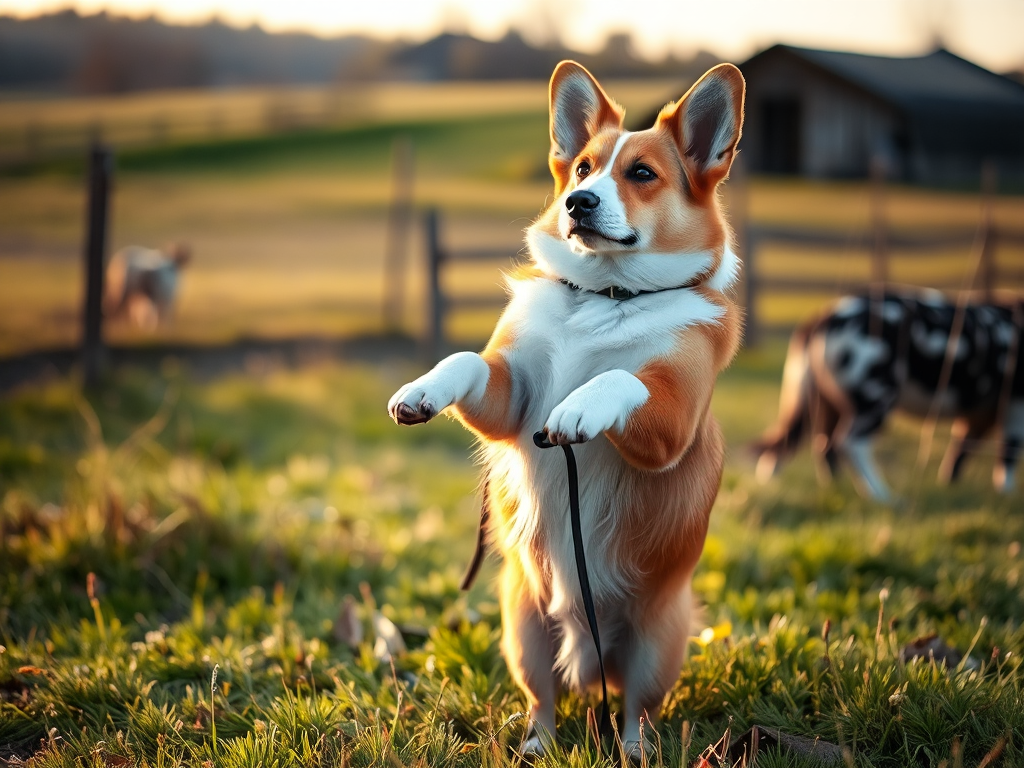
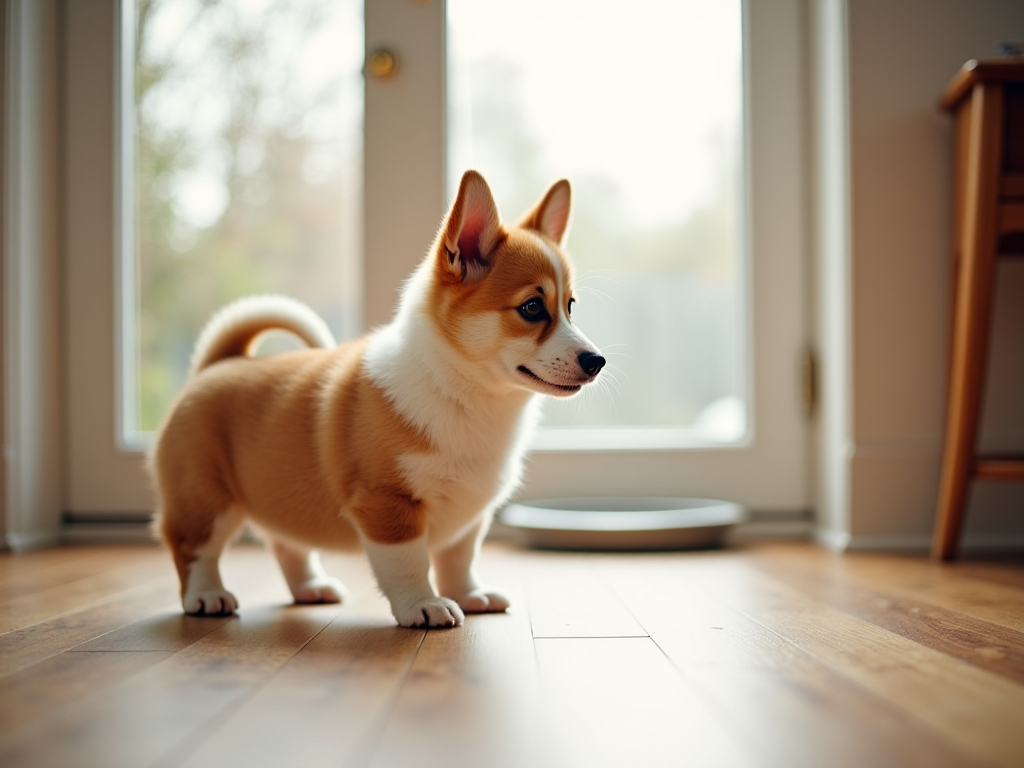
Potty training a Corgi puppy fast requires strict consistency and a rigid schedule, ideally taking them out every 30–60 minutes and immediately after waking, eating, or playing, according to 2026 training guidelines. Confine them to a small, supervised space and use a dedicated outdoor spot, rewarding success with treats and praise.
Most Welsh Corgi puppies achieve housebreaking reliability within 12 weeks, though full reliability may take until 16 weeks. This guide provides the exact 3-step system to speed up the process.
- Corgi potty training requires strict consistency and a rigid schedule, taking puppy out every 30-60 minutes
- Use immediate positive reinforcement with high-value treats and enthusiastic praise right after outdoor elimination
- Most Corgis achieve housebreaking reliability by 12 weeks, though full reliability may take until 16 weeks
The Fast-Track Method: 3-Step Corgi Potty Training System
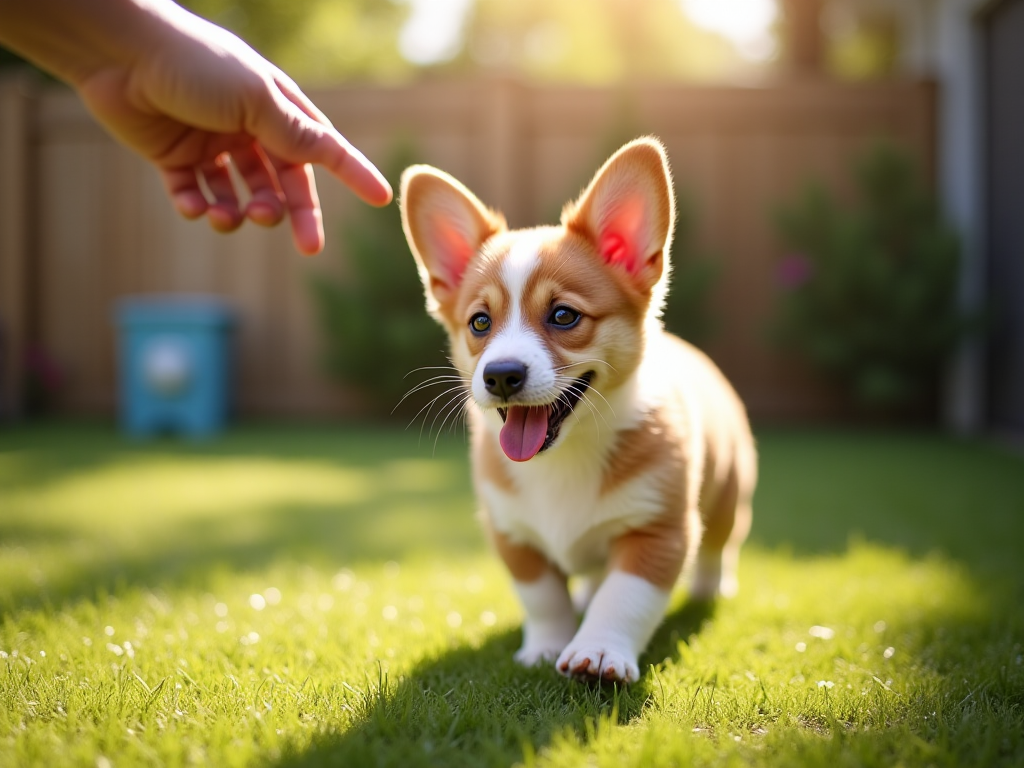
The fastest way to potty train a Corgi puppy combines three core principles: a strict bathroom schedule, confinement to prevent accidents, and immediate rewards for success. Corgis are intelligent but can be stubborn; they thrive on structure, so a predictable routine helps them learn quickly.
This system works because it eliminates confusion and builds positive associations with going outside. Follow these steps exactly to see results within weeks.
The 30-60 Minute Schedule: Frequency Guidelines
- Morning First Trip: Take puppy out first thing upon waking, even before coffee or breakfast.
- Post-Meal Trips: Schedule potty breaks 5–10 minutes after each meal, as eating stimulates the digestive system.
- Post-Play & Post-Drink: Always take puppy out after any active play or water consumption.
- Daytime Intervals: Maintain a 30–60 minute interval throughout the day; never exceed 2–3 hours between trips.
- Pre-Bed Routine: Final potty trip right before bedtime, after limiting water 1–2 hours prior.
- Nighttime: If puppy wakes whining, take them out quietly without play, then return to crate.
Frequency matters because Corgi puppies have small bladders and limited control. Taking them out often prevents accidents indoors, which can reinforce bad habits. Consistent timing also helps their internal clock develop, so they learn to anticipate bathroom breaks.
The 10-15 Minute Rule: Potty Break Duration
- Set a Timer: When you arrive at the potty spot, give puppy exactly 10–15 minutes to sniff and eliminate.
- Use a Leash: Keep puppy on a leash to prevent wandering and playing; focus on the task.
- If No Success: If no potty occurs, immediately bring puppy back inside and place in crate for 10–15 minutes.
- Retry: After crate time, take them out again for another 10–15 minute attempt.
- Reward Immediately: As soon as puppy finishes outside, mark the behavior with a “Yes!” or clicker, then give treat.
This rule prevents puppy from learning that going outside means endless playtime. It teaches them that the purpose of the trip is to eliminate, not to explore. The crate-and-retry method reinforces that they must go outside to be free.
Crate Training Fundamentals: Creating a Den Safe Space
Crate training works because dogs naturally avoid soiling their sleeping area. The crate becomes a “den” that puppy wants to keep clean. Choose a crate sized just enough for puppy to stand, turn, and lie down—too large allows accidents in one corner while sleeping in another.
Introduce the crate positively with treats and meals, never as punishment. When unsupervised, puppy should always be in the crate or a playpen to limit space and prevent hidden accidents.
This confinement builds bladder control and trust. Corgis thrive on structure, so the crate provides a safe, consistent environment that supports fast training.
Immediate Reward Protocol: High-Value Treats & Enthusiastic Praise
- Prepare Treats in Advance: Keep small, high-value treats (like chicken pieces or soft training treats) by the door or in a pocket.
- Mark the Behavior: The instant puppy finishes eliminating, say “Yes!” or use a clicker to mark the exact moment.
- Deliver Treat Immediately: Within 1–2 seconds, give the treat and follow with enthusiastic praise (“Good potty!”).
- Be Consistent Every Time: Never skip rewards, even in bad weather or if puppy seems reluctant.
- Phase Out Gradually: Once reliability is high, transition to intermittent treats but always keep praise.
Immediate reinforcement is critical because puppies have short attention spans; the reward must be linked directly to the action. Positive reinforcement works far better than punishment for sensitive Corgis, building confidence and eagerness to please.
Critical Mistakes That Derail Corgi Training (What NOT to Do)
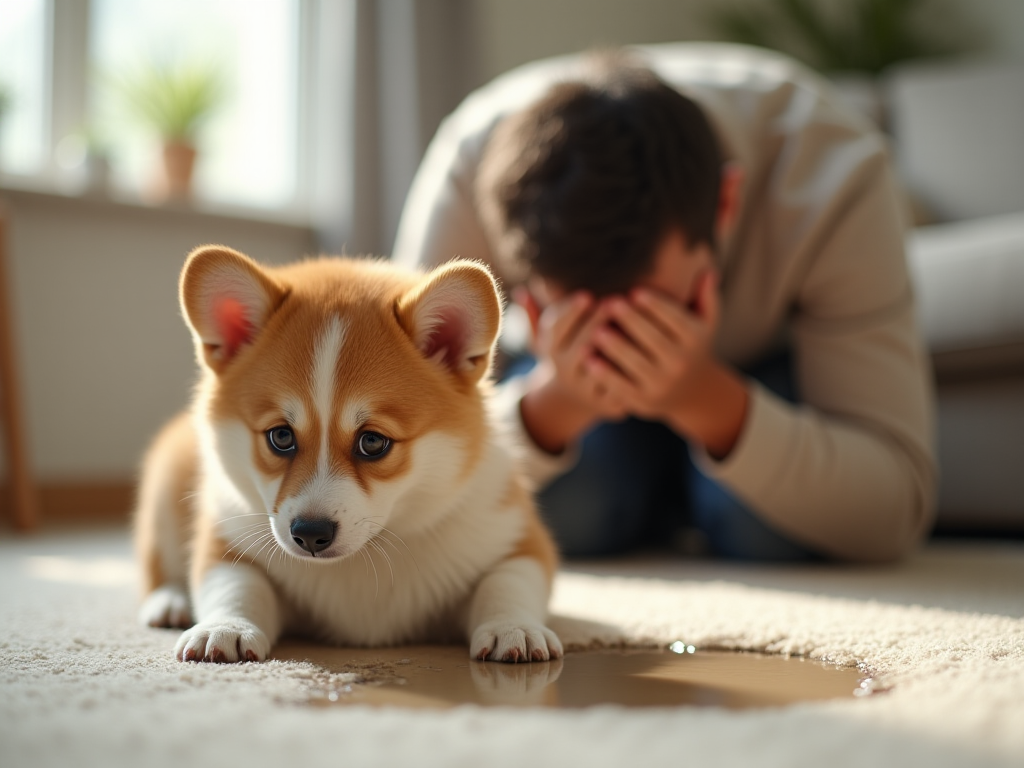
Even with the best methods, common errors can stall progress. Avoid these pitfalls to keep training on track.
Never Punish Accidents: Why Fear-Based Training Fails
Punishing a puppy for accidents—by yelling, rubbing their nose in it, or scolding—creates fear and anxiety. Corgis are particularly sensitive; punishment makes them hide their mistakes, leading to secretive elimination in closets or behind furniture. Instead, if you catch an accident in progress, interrupt with a neutral “Oops!” and rush outside.
If you find a mess after the fact, simply clean it thoroughly without comment. Focus on rewarding the positive behavior you want, not punishing the negative. This builds trust and encourages puppy to eliminate openly where you want.
Skip the Pee Pads: Direct Outdoor Training is Faster
- Pads Teach Inside is Okay: Pee pads signal that indoor elimination is acceptable, confusing puppy about boundaries.
- Slower Transition: Starting with pads adds an extra step; puppy must later unlearn the pad habit and learn outside.
- Expert Consensus: Multiple sources, including LaCorgi.co and Reddit communities, strongly recommend skipping pads entirely for fastest results.
- Direct Outdoor Method: Take puppy straight outside every time, using a designated spot, so they learn from day one that outside equals bathroom.
While pads seem convenient, they extend training time by 2–4 weeks on average. For fast results, commit to outdoor-only elimination from the start.
Don’t Give Free House Access: The Confinement Rule
Allowing a puppy free run of the house is a major cause of accidents. Without supervision, puppy will eliminate when the urge strikes, often in another room where you don’t see. Start by limiting puppy to one or two rooms where you can watch closely.
Use a crate or playpen when you cannot actively supervise. As puppy earns trust by eliminating outside consistently, gradually expand their accessible space over weeks.
This step-by-step expansion prevents setbacks and reinforces the habit in a controlled way. Remember: your pup shouldn’t have free access to the entire house until reliably housebroken for at least a month.
How Long Does It Take to Potty Train a Corgi Puppy?
Timelines vary, but realistic expectations help you stay patient and consistent. Most Corgi puppies reach housebreaking reliability within 12 weeks, though some may take until 16 weeks for total consistency.
The 12-Week Goal: When Most Corgis Achieve Reliability
| Age (Weeks) | Expected Reliability | Common Challenges | Owner Actions |
|---|---|---|---|
| 8 weeks | Low; frequent accidents | Small bladder, lack of control | Strict 30-60 minute schedule, constant supervision, crate training |
| 12 weeks | Moderate; mostly reliable | Occasional lapses after excitement or naps | Maintain schedule, reward heavily, begin expanding space slowly |
| 16 weeks | High; consistent reliability | Rare accidents if routine broken | Gradual freedom, continue supervision, reinforce with praise |
Progression from 8 to 16 weeks shows a clear pattern: initial weeks focus on prevention and routine, middle weeks build consistency, and later weeks solidify habits. Starting around 8 weeks for socialization is ideal, but potty training can begin as soon as puppy arrives home. The key is not to rush expansion of freedom before bladder control matures.
Bladder Development: How Long Can Puppies Hold It?
A common question is how long a Corgi puppy can physically hold urine or stool. The general rule for puppies is they can hold their bladder for approximately one hour per month of age. For example, an 8-week-old puppy (2 months) can hold about 2 hours; a 12-week-old (3 months) can hold about 3 hours.
However, this is a maximum—actual needs are more frequent due to small bladders and high metabolism. Stool can be held longer, often up to 12 hours, but urine requires more regular breaks. Factors that reduce holding time include increased water intake, vigorous activity, and after meals.
Always follow the 30–60 minute schedule rather than relying on puppy to “hold it” until you remember.
Most healthy adult dogs need to go within an hour after a meal, but puppies digest faster and need more frequent trips. Understanding these limits helps you set realistic schedules and avoid accidents.
Surprisingly, many owners expect potty training to be complete in 4–6 weeks, but full reliability often takes until 16 weeks—a timeline that requires sustained consistency. The most effective single action you can take today is to set a timer for every 30 minutes during waking hours and take your Corgi puppy to the same outdoor spot each time, rewarding with high-value treats immediately upon success. Combine this with crate confinement when unsupervised, and you’ll establish a strong habit that lasts.
For more on Corgi behavior, explore how to stop a Corgi from barking excessively and why you should never shave a Corgi’s double coat. These resources complement potty training by addressing related breed-specific needs.
Frequently Asked Questions About How To Potty Train A Corgi Puppy Fast
How long does it take to potty train a Corgi puppy?
Potty training typically takes about 16 weeks for high reliability. At 8 weeks, expect frequent accidents; by 12 weeks, mostly reliable; at 16 weeks, consistent reliability if routine is maintained.
What is the recommended potty schedule for an 8-week-old Corgi?
Use a strict 30-60 minute schedule. At 8 weeks, take the puppy out every 30-60 minutes due to small bladder and lack of control, with constant supervision and crate training.
What common challenges occur during Corgi potty training?
At 8 weeks: small bladder, frequent accidents. At 12 weeks: occasional lapses after excitement or naps. At 16 weeks: rare accidents if routine is broken.
How does potty training reliability change with age?
Reliability progresses: low at 8 weeks, moderate at 12 weeks, high at 16 weeks. Consistent routine and supervision drive this improvement.
What owner actions are essential at each training stage?
At 8 weeks: strict 30-60 minute schedule, constant supervision, crate training. At 12 weeks: maintain schedule, reward heavily, expand space slowly. At 16 weeks: gradual freedom, continue supervision, reinforce with praise.