Welsh Corgis typically cost between $1,000 and $3,000 in 2026, with some champion bloodlines exceeding $3,500. This premium pricing stems from three core factors: extremely high demand that outstrips limited supply, substantial breeding expenses including health testing and veterinary care, and the influence of pedigree quality and rare coat markings. Reputable breeders maintain waitlists of 6 months to over a year, requiring a $200 deposit upfront, reflecting the breed’s sustained popularity driven by social media and royal association.
- Welsh Corgis cost $1,000-$3,000 on average in 2026, with waitlists of 6+ months from reputable breeders due to high demand.
- Responsible breeding costs include health testing (e.g., degenerative myelopathy), C-sections, and puppy care, all passed to buyers.
- Champion bloodlines, rare coat colors, and Pembroke popularity can push prices beyond $3,500.
Why Do Welsh Corgis Cost $1,000 to $3,000?
Typical Price Range: $1,000 to $3,000 for Standard Puppies
The current market for Welsh Corgi puppies from ethical breeders establishes a clear price baseline. Multiple sources confirm the typical range sits between $1,000 and $3,000 for standard pet-quality puppies in 2024-2026, with a Welsh Corgi puppy cost breakdown detailing the specific factors that influence final pricing.
This base price reflects the breed’s premium status among popular companion dogs. Several interconnected factors determine where a specific puppy falls within that range.
- Breeder reputation and location: Established breeders with proven track records charge more, particularly in regions with higher costs of living and fewer reputable operations. Urban centers and areas with limited breeder availability see prices pushed toward the upper end of the range.
- Lineage and pedigree: Puppies with documented purebred lineage command higher prices than those without papers. Registration with kennel clubs adds value but also increases documentation costs for breeders.
- Coat color and markings: Common colors like red and sable typically fall within the standard range. However, specific popular patterns such as black-headed tri-color can add several hundred dollars due to high buyer preference.
- Gender: Some breeders price males and females differently based on demand trends, though the difference is usually modest compared to other factors.
- Champion bloodlines: Puppies whose parents have earned show titles or competition victories routinely exceed $3,500, with some reaching $4,000-$5,000 for exceptionally decorated lines. These premium prices reflect both the parents’ proven quality and the breeder’s investment in competitive programs.
The $200 deposit has become a standard requirement to secure a spot on a waitlist, signaling serious buyer intent and helping breeders cover initial screening costs. This deposit is typically non-refundable and applies toward the final purchase price.
Waitlist Realities: 6 Months to Over a Year for Reputable Breeders
The six-month to over one-year waitlist at ethical breeding operations represents a critical component of the “expense” perception. This extended timeline directly results from demand vastly exceeding the number of puppies available from responsible sources. Unlike commercial operations, reputable breeders prioritize health and welfare over volume, producing only a few litters per year.
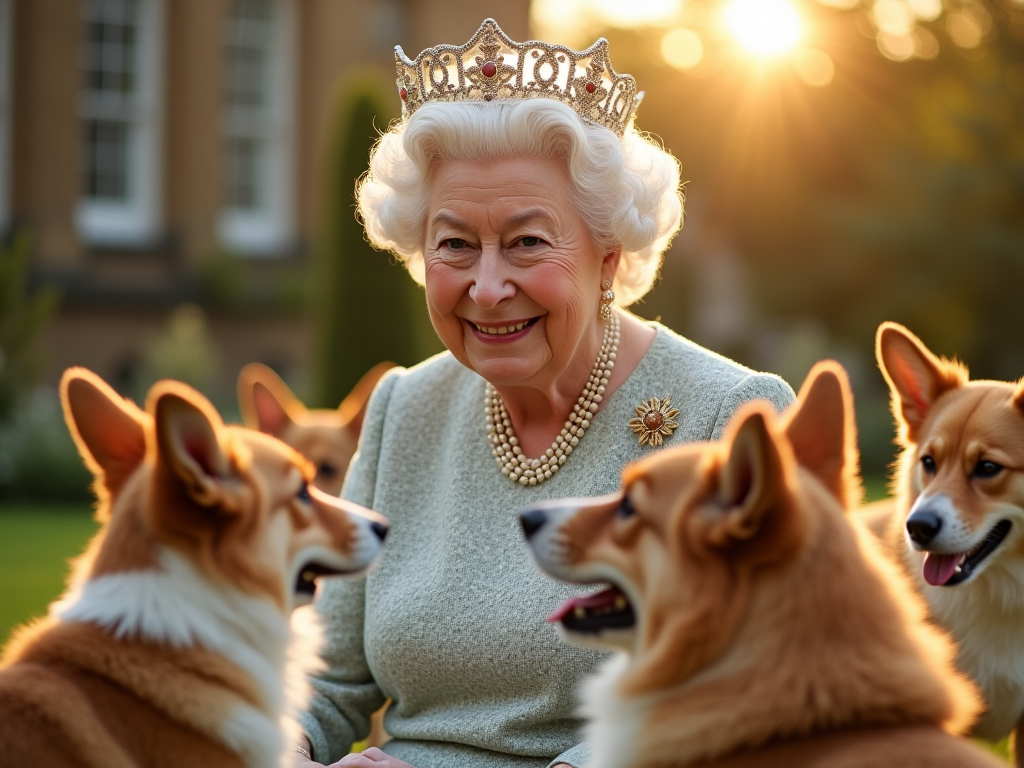
The demand surge traces directly to two cultural forces. First, Queen Elizabeth II’s lifelong association with the breed, culminating in her ownership of over 30 Corgis, created a lasting royal endorsement.
Following her passing in September 2022, online searches for Corgis increased tenfold according to reports, and prices hit record highs, with some puppies selling for over $2,600. Second, social media platforms have amplified the breed’s appeal through viral content showcasing their distinctive appearance and playful personalities.
This waitlist system creates a scarcity psychology that indirectly inflates prices. Buyers understand they must commit time and patience, and many are willing to pay a premium to secure a puppy from a trusted source rather than risk unscrupulous breeders who may not require waiting. The deposit requirement further filters for serious buyers, allowing breeders to maintain selective placement processes.
Are Welsh Corgis Cuddly? How Temperament Drives Demand
Yes, Welsh Corgis are renowned for their affectionate nature and enjoyment of cuddling with humans. This temperament trait significantly fuels their market desirability and justifies premium pricing for many buyers. The breed consistently scores high in companionability assessments, seeking close physical contact with family members while maintaining an alert, intelligent demeanor.
However, their affectionate nature coexists with high energy levels. Corgis require substantial daily stimulation—including interactive toys, training sessions, and exercise—to prevent boredom-related behaviors.
This energetic disposition means ownership carries ongoing costs for toys, training, and potential behavioral support, though these expenses don’t directly affect the initial purchase price. The combination of cuddly affection with lively intelligence creates a compelling package that many families are willing to pay a premium to obtain.
The temperament-driven demand creates a feedback loop: high demand allows breeders to be selective about placements, which in turn maintains the breed’s reputation for good-natured companions, further driving demand. This cycle supports the established price structure even as more breeds enter the pet market.
Geographic and Breeder Factors: Regional Price Variations
Location exerts a powerful influence on final purchase price through three primary mechanisms. Cost of living differences mean breeders in California, New York, or major European cities face higher operational expenses for facility space, veterinary services, and insurance, all reflected in puppy prices.
Regional demand varies significantly; areas with established Corgi communities and active breed clubs see more buyers competing for limited local litters. Breeder concentration matters immensely—states or countries with only a handful of reputable breeders create natural price inflation due to limited supply.
For example, a puppy from a respected breeder in Texas might cost $1,500-$2,200, while the same quality from a premier California operation could reach $2,500-$3,500+. International buyers often face additional costs: shipping a puppy overseas can add $500-$1,500 depending on destination and logistics, while traveling to pick up a puppy incurs personal travel expenses. Some breeders specifically note on their websites that out-of-state buyers should expect higher total costs due to these factors, as mentioned in YouTube discussions with breeders.
The geographic premium extends beyond simple economics. Areas with fewer breeders often have longer waitlists, forcing buyers to either wait longer or expand their search radius, which typically increases total expenditure through travel or transport fees. This regional variation means the “average” price represents a national median, not a uniform national standard.
Breeding Costs: Health Testing, Veterinary Care, and Litter Challenges
Health Testing Requirements: Genetic Screening for Hereditary Conditions
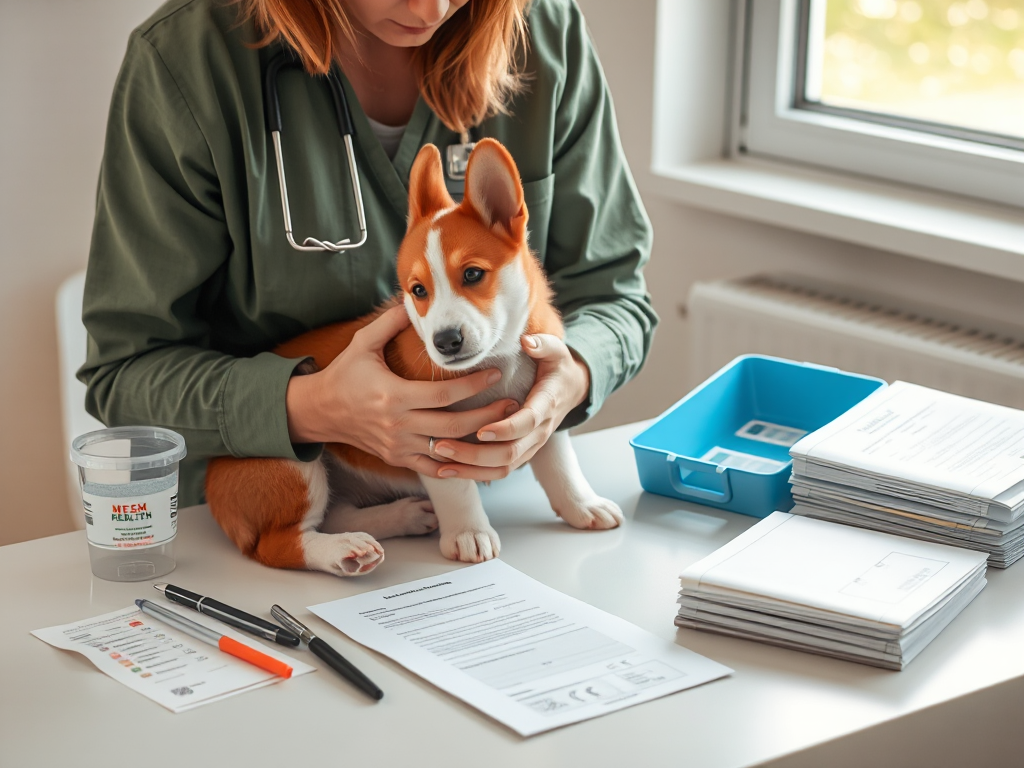
Responsible Welsh Corgi breeding begins with comprehensive health screening of parent dogs, representing a major upfront cost that directly determines puppy pricing. The breed’s genetic predispositions require specific tests that reputable breeders perform on every breeding pair.
- Degenerative myelopathy (DM) testing: This progressive spinal cord disease affects Corgis at higher rates than many breeds. DNA testing identifies carriers and affected dogs, allowing breeders to avoid producing affected puppies. Each test costs $50-$100 per dog, and both parents must be tested for every litter.
- Hip dysplasia evaluation: Through OFA (Orthopedic Foundation for Animals) or PennHIP certifications, breeders assess hip joint conformation. These evaluations require veterinary radiographs and expert review, costing $200-$400 per dog plus submission fees.
- Eye certification: CERF (Canine Eye Registry Foundation) exams screen for inherited eye disorders common in Corgis, including progressive retinal atrophy. Annual exams cost $50-$150 per dog.
- Additional screenings: Some breeders test for von Willebrand’s disease (blood clotting disorder), elbow dysplasia, and cardiac issues, adding $100-$300 per test.
These health tests are not one-time expenses but recurring investments. Dogs used for breeding must be retested periodically to maintain current certifications.
The cumulative cost for a fully health-screened breeding pair easily exceeds $1,000-$1,500 before any mating occurs. This investment gets distributed across the litter, making each puppy’s base price higher than if health testing were omitted.
Breeding Complications: C-Sections and Prenatal Care Costs
The Corgi’s distinctive long body and short legs create anatomical challenges during whelping. Their relatively narrow pelvis compared to puppy head size frequently results in dystocia (difficult labor), requiring veterinary intervention. C-sections have become common in the breed, with many breeders planning them electively rather than risking emergency situations.
A planned C-section at a veterinary hospital costs between $1,500-$3,000, depending on location and facility. Emergency C-sections can exceed $4,000 when complications arise. This single procedure represents a substantial portion of the litter’s total veterinary expense, effectively adding $250-$500 to each puppy’s cost in a typical 4-puppy litter.
Prenatal care further increases expenses. Responsible breeders provide:
- Pre-breeding health checks ($200-$400)
- Pregnancy monitoring including ultrasounds ($150-$300 each)
- Specialized nutrition for pregnant and nursing mothers ($100-$200 monthly)
- Whelping supplies such as incubators, heating pads, and monitoring equipment ($500-$1,000 initial investment)
These costs accumulate before the first puppy is even born, creating a high financial barrier to ethical breeding that filters out casual or profit-driven operations.
Litter Size Limitations: Average 4-6 Puppies per Pregnancy
Corgis consistently produce smaller litters compared to many other popular breeds, creating inherent supply constraints that drive up prices. The average litter size for healthy Pembroke Welsh Corgis ranges from 4 to 6 puppies, with 5 being a common median. This limited output contrasts sharply with breeds that produce larger litters, affecting the total number of puppies available to meet demand.
| Breed | Average Litter Size | Notes |
|---|---|---|
| Welsh Corgi (Pembroke) | 4-6 puppies | Small litter size due to body conformation |
| French Bulldog | 2-4 puppies | Similar breeding challenges, even smaller litters |
| Labrador Retriever | 6-8 puppies | Larger breed, higher litter output |
| German Shepherd | 6-9 puppies | Standard working breed litter size |
| Golden Retriever | 6-10 puppies | High litter output, more available puppies |
This table illustrates why Corgis, despite not being the most expensive breed, maintain a premium position. A breeder producing 2 litters per year with an average of 5 puppies each yields only 10 puppies annually.
Compare this to a Labrador breeder producing the same number of litters with 8 puppies each—16 puppies available to satisfy demand. The Corgi’s small litter size means even dedicated breeders cannot rapidly increase supply, keeping scarcity-driven pricing intact.
Puppy Care Expenses: Vaccinations, Deworming, and Early Veterinary Visits
Before puppies reach their new homes at 8-12 weeks, breeders incur substantial costs for essential medical care and nutrition. These expenses are non-negotiable for responsible operations and are factored directly into the purchase price.
- Vaccination series: Puppies receive multiple rounds of core vaccines (DHPP, rabies) typically costing $150-$250 total for the litter.
- Deworming protocol: Multiple rounds of deworming medication for intestinal parasites add $50-$100.
- Microchipping: Permanent identification with registration fees runs $50-$70 per puppy.
- Veterinary examinations: Initial health checks, fecal tests, and follow-up visits cost $100-$200 per puppy.
- High-quality puppy food: Premium nutrition for the dam during pregnancy/lactation and for puppies during weaning adds $200-$400 per litter.
- Whelping supplies: Bedding, thermometers, scales, and emergency equipment (already mentioned but amortized across litters).
According to breeder accounts on Quora, these cumulative costs before a puppy even leaves the property can reach $800-$1,200 per puppy when combined with the health testing and breeding complications already discussed. This explains why ethically bred Corgis cannot be sold for $500 or $800—the baseline costs simply don’t allow it. The $1,000-$3,000 range represents the minimum needed to cover expenses while providing a modest return on the breeder’s extensive time investment.
Pedigree and Bloodlines: Champion Lines and Rare Markings
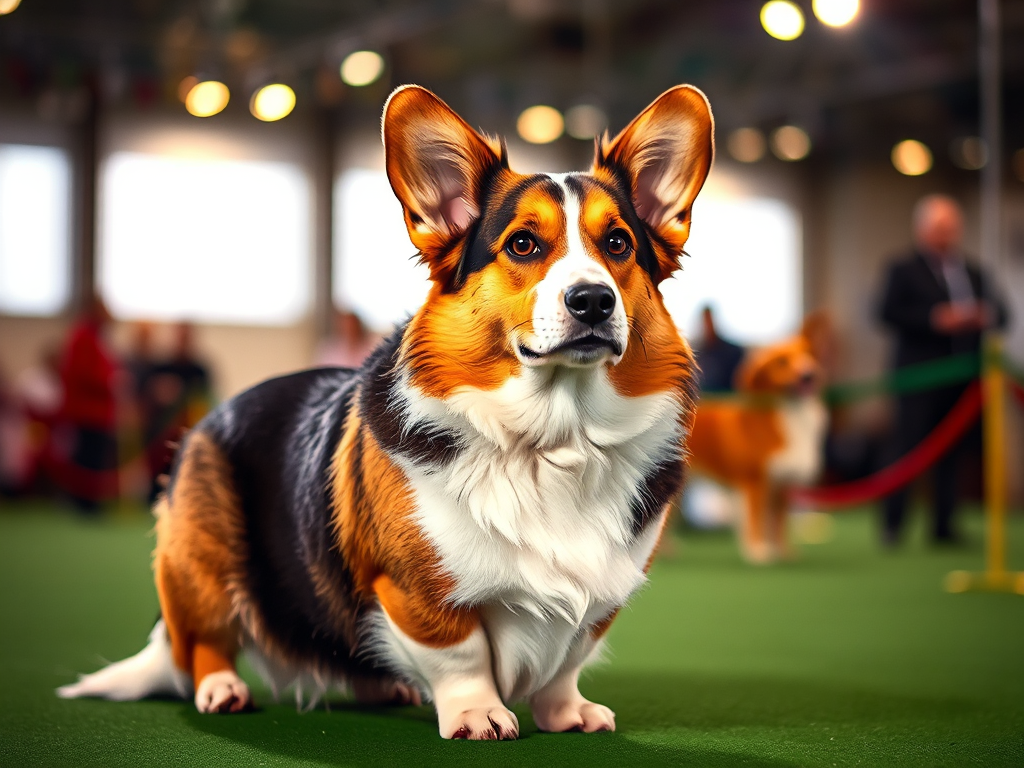
Champion Bloodlines: Premium Pricing Over $3,500
Champion bloodlines refer to parent dogs who have earned conformation titles in dog shows (such as Champion, Grand Champion, or International Champion) or performance titles in obedience, agility, or herding trials. These titles indicate the dogs meet or exceed breed standards in appearance, movement, and temperament. The premium price—often exceeding $3,500 and sometimes reaching $5,000-$7,000 for top-tier lines—reflects several value propositions for buyers.
First, champion lines statistically produce puppies with better conformation, meaning they more closely match the ideal breed standard. This matters for owners who may want to show their dog or breed responsibly in the future.
Second, these breeding programs typically maintain the most rigorous health testing protocols, as championship competitors must meet strict health requirements. Third, the breeder’s reputation is tied to producing quality, so they provide extensive support, health guarantees, and take-back clauses that add value beyond the puppy itself.
For buyers seeking a Corgi primarily as a pet, the champion premium may not provide tangible benefits. However, for those interested in conformation showing, performance sports, or future breeding, the additional cost represents an investment in proven genetics. The price differential between pet-quality and show-quality puppies can exceed $1,500-$2,000, creating a distinct tier within the already premium Corgi market.
Coat Color Rarity: Black-Headed Tri-Color and Other Sought-After Markings
Coat color and pattern significantly influence Corgi pricing, with certain combinations commanding premiums due to rarity or current trends. The breed standard accepts several colors, but market preferences create price variations.
| Coat Color/Pattern | Price Impact | Rarity Level | Notes |
|---|---|---|---|
| Black-Headed Tri-Color | Premium (+$300-$800) | Uncommon | Most sought-after pattern; black head with tan points and white markings |
| Red | Standard | Common | Solid red with white markings; baseline price |
| Sable | Standard | Common | Light tan with black-tipped hairs; popular but not rare |
| Tri-Color (Fawn-headed) | Slight Premium | Moderate | Tan head instead of black; less expensive than black-headed |
| Blue Merle (Cardigan only) | High Premium (+$1,000+) | Extremely Rare | Marbled gray/black pattern; only in Cardigans, controversial in some registries |
| Brindle (Cardigan only) | Premium | Rare | Tiger-striped pattern; Cardigan-specific |
The black-headed tri-color’s premium status stems from its striking appearance and relative scarcity compared to red and sable. Breeders often receive multiple inquiries specifically for this pattern, allowing them to price accordingly. For Cardigan Welsh Corgis, blue merle represents the rarest and most expensive color, though its acceptance varies by kennel club and some countries restrict breeding due to health concerns associated with the merle gene.
These color-based price differences illustrate how aesthetic preferences, not just functional quality, drive the Corgi market. A puppy with perfect structure but a common color may sell for less than a moderately built puppy with the “right” markings, reflecting buyer demand for Instagram-friendly appearances.
Pembroke vs. Cardigan: Which Breed Commands Higher Prices?
The two types of Welsh Corgi—Pembroke and Cardigan—differ in origin, appearance, and popularity, which translates to slight price variations. Both types share the iconic long body and short legs, but distinct characteristics set them apart.
Pembroke Welsh Corgi:
- More popular by a significant margin, largely due to royal association and media exposure
- Typically priced $1,200-$3,500+ depending on factors discussed
- Smaller ears, straighter front legs, bobbed or naturally short tail
- Slightly more outgoing and adaptable temperament
Cardigan Welsh Corgi:
- Older breed, less common in North America
- Typically priced $1,000-$3,000 for similar quality
- Larger, more rounded ears, slightly longer back, full tail
- More reserved with strangers, slightly larger bone structure
The Pembroke’s higher demand generally pushes prices $200-$500 higher for comparable quality puppies. However, rare Cardigan colors like blue merle can exceed typical Pembroke prices due to extreme scarcity.
Both types fall within the same general range, but the Pembroke’s celebrity status—particularly through Queen Elizabeth II’s preference—gives it a consistent edge in market value. As one breeder noted, “You can find a Cardigan more easily, but if someone wants a Pembroke with specific markings, they’ll pay a premium and wait longer.”
Corgi Prices in Context: How They Compare to the World’s Most Expensive Dogs
While Welsh Corgis rank among the more expensive dog breeds, they occupy a mid-to-high position rather than the extreme luxury tier. Understanding this context prevents misinterpretation of Corgi pricing as exceptional when viewed globally.
| Breed | Price Range (USD) | Primary Price Drivers |
|---|---|---|
| Tibetan Mastiff | $100,000-$2,000,000 | Rare purebreds, luxury status in China |
| Samoyed | $4,000-$14,000 | Fluffy coat, friendly temperament, breeder scarcity |
| Chow Chow | $1,500-$11,000 | Unique appearance, independent nature |
| French Bulldog | $3,500-$8,000 | Extreme popularity, breeding complications |
| English Bulldog | $2,500-$4,500 | Health issues, C-section requirements |
| Cavalier King Charles Spaniel | $2,000-$14,000 | Companion demand, health testing costs |
| Welsh Corgi | $1,000-$3,500+ | Demand surge, small litters, health testing |
This comparison reveals that Corgis are expensive relative to average breeds but not extraordinary. The French Bulldog’s price ceiling exceeds Corgis significantly, driven by similar factors: high demand, small litters (often 2-4 puppies), and frequent C-sections. The Tibetan Mastiff’s astronomical prices reflect luxury market dynamics rather than breeding costs.
Corgis occupy a sweet spot: popular enough to command premium pricing but not so exclusive as to reach five or six figures. Their position among the “ten most expensive dog breeds” as noted by multiple sources reflects sustained demand rather than speculative luxury.
The key insight: Corgi pricing results from a perfect storm of moderate breeding challenges (small litters, occasional C-sections), substantial health testing requirements, and unprecedented popularity. This combination creates a consistently high price point without the extreme scarcity that defines ultra-luxury breeds.
Welsh Corgis occupy a unique market position where popularity, breeding realities, and pedigree factors converge to maintain premium pricing. While not the world’s most expensive breed, their combination of small litter sizes (4-6 puppies), mandatory health testing, and social media-driven demand creates sustained pressure on supply. The most surprising finding is that Corgis aren’t expensive because they’re rare—they’re expensive because everyone wants one and ethical breeders can’t produce enough.
For prospective buyers, the actionable step is clear: budget at least $2,000 for a quality puppy from a reputable breeder, join multiple waitlists immediately, and consider appropriate equipment for your future Corgi. Adoption through rescue organizations, though less common for purebreds, offers a lower-cost alternative that also supports breed welfare. For a comprehensive overview of the breed, explore our Welsh Corgi category resources.